
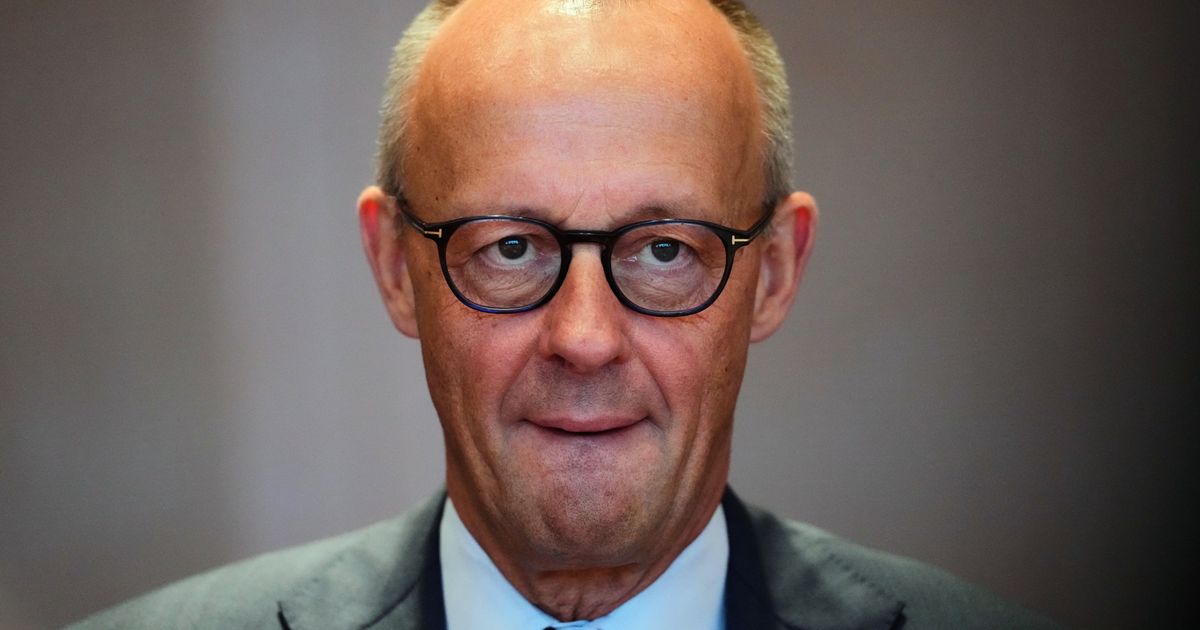
German Chancellor Friedrich Merz has vowed to continue with his government’s reform agenda despite a major electoral setback for his Christian Democratic Union (CDU) in two state elections.
Preliminary results from Sunday’s elections in Berlin and Mecklenburg-Western Pomerania showed significant gains for the Alternative for Germany (AfD), while the CDU suffered a particularly difficult result in Mecklenburg-Western Pomerania. The CDU received about 4.9%, its lowest result in any German state since World War II, according to projections by public broadcaster ARD.
Merz acknowledged the result as a “disaster” but said the setback would not lead his government to abandon its plans. He argued that Germany’s economic and political challenges make difficult reforms more necessary, rather than less urgent.
The government’s reform agenda includes income-tax changes for low- and middle-income families, an overhaul of the pension system and efforts to reduce bureaucracy. Merz has presented these measures as part of a broader effort to strengthen Germany’s economy after years of weak growth.

The election results have nevertheless increased pressure on the chancellor and his CDU. In Berlin, projections placed the CDU at about 19.1%, behind the Left Party at 25.3%, while the AfD secured about 16.2%.
The latest results follow an earlier CDU defeat in Saxony-Anhalt, where the AfD also made major gains. The consecutive setbacks have fueled internal debate within the CDU about the party’s direction and the performance of Merz’s government.
Despite the criticism, Merz has indicated that he intends to remain focused on his governing program. He said Germany’s current challenges require persistence and patience and reaffirmed his commitment to serving as chancellor.
The election results also highlight the growing fragmentation of Germany’s political landscape, with both the AfD and the Left Party making notable gains in Sunday’s state contests.
For Merz, the immediate challenge is to respond to the electoral setback while continuing efforts to implement economic and social reforms. The results are likely to intensify scrutiny of the government as it seeks to address Germany’s economic difficulties and growing political divisions.
Swifteradio.com
