
Iraq is moving to contain the fallout after Iran-backed militias were accused of launching drone attacks against a critical Saudi oil pipeline from Iraqi territory, raising fears of further escalation across an already volatile Middle East.
Iraqi authorities confirmed that the attacks originated from Iraq and launched an investigation into the incident. Prime Minister Ali al-Zaidi also dismissed the military commander responsible for operations in Maysan province, which borders Iran.
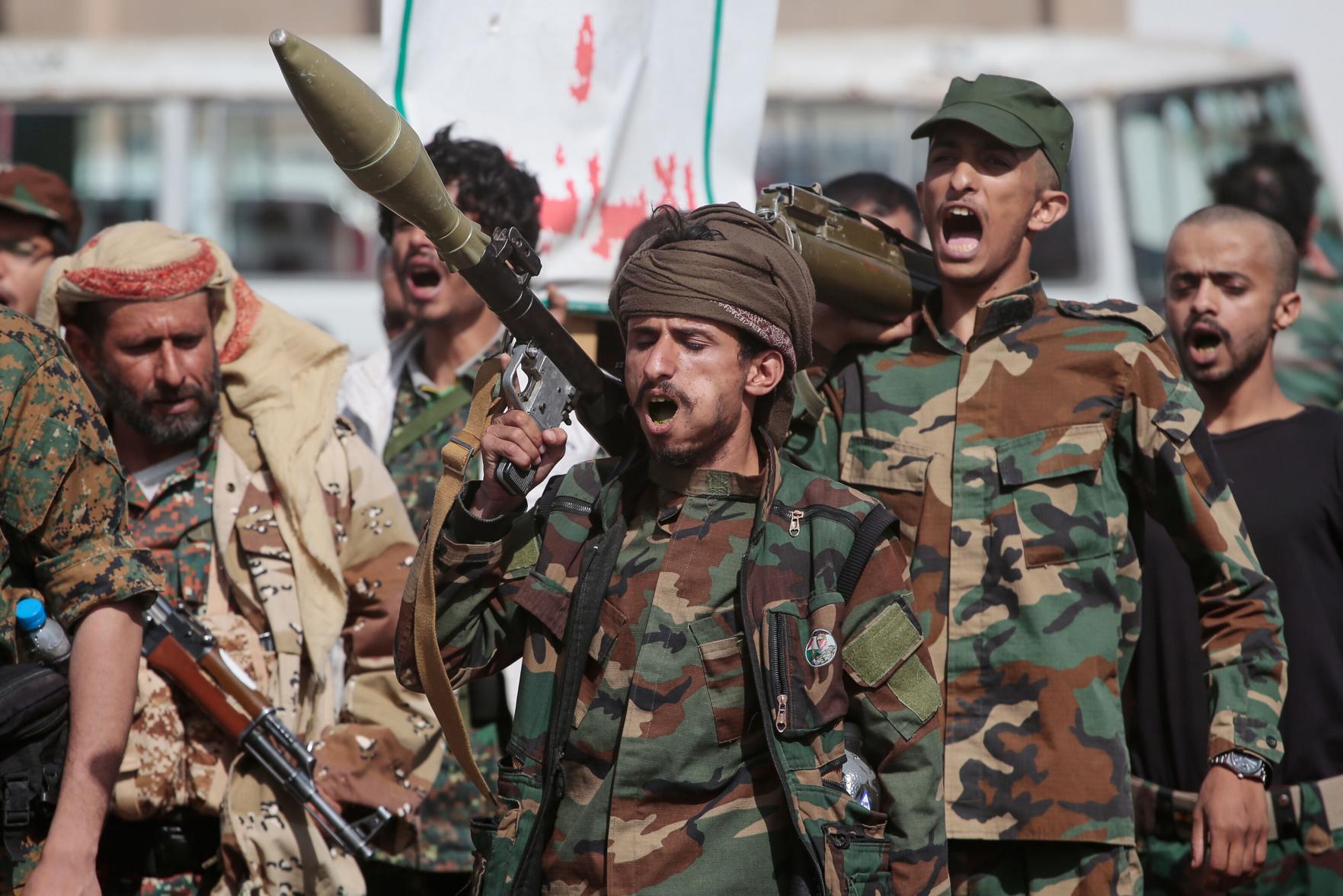
An umbrella group representing Iran-backed Iraqi militias has denied responsibility for the attacks, while saying it would cooperate with the government investigation. The group nevertheless praised the recent military advances of Yemen’s Iran-aligned Houthi rebels.
Saudi Arabia temporarily shut down its East-West oil pipeline as a precaution after the drone attack. The pipeline is strategically important because it allows Saudi Arabia to transport crude to the Red Sea and bypass the Strait of Hormuz, which has been severely disrupted by the ongoing Iran-U.S. war.

The 1,200-kilometre pipeline has recently been carrying an estimated 4 million to 5 million barrels of oil per day, representing roughly 4% to 5% of global oil supply. Any prolonged disruption could therefore place additional pressure on international energy markets.
Saudi Arabia has so far refrained from retaliating against Iraq, giving Baghdad an opportunity to investigate the attack and take action against those responsible. The decision could help prevent the incident from developing into a wider confrontation between the two countries.
Iraq has also closed two major border crossings with Iran — Shalamcheh and Chazabeh — while officials investigate reported security violations. The closures have halted passenger and commercial traffic through the crossings.
The crisis comes as Iraq faces increasing pressure to bring powerful militia groups under tighter state control. Baghdad has set a September 30 deadline for nonstate armed groups to disarm, but some influential militias have rejected the demand.
The situation is further complicated by developments in Yemen, where Iran-backed Houthi forces have expanded their control around the strategically important Bab el-Mandeb Strait, a major international shipping route connecting the Red Sea with the Gulf of Aden.
The latest developments have raised concerns about the security of regional energy infrastructure and international shipping routes. Any further attacks could increase pressure on global oil supplies and prices while deepening the broader conflict involving Iran and its regional allies.
Swifteradio.com