
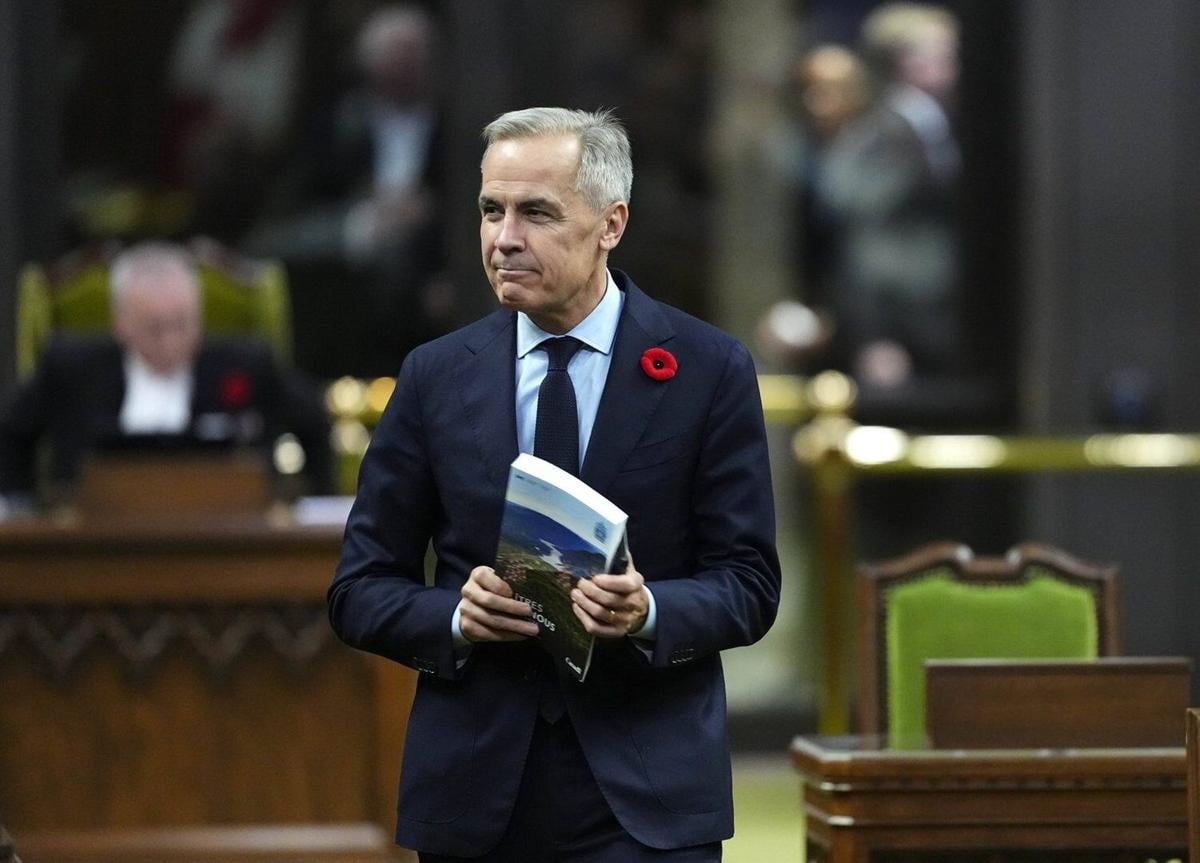
WINNIPEG, Manitoba — Prime Minister Mark Carney is visiting Winnipeg to promote his government’s plan to end homelessness in Canada within the next decade, with the city set to receive significant federal support for new housing and mental health services.
Carney is expected to be joined by Manitoba Premier Wab Kinew, Winnipeg Mayor Scott Gillingham and Montreal Mayor Soraya Martinez Ferrada during the visit on Friday, November 6, 2026.
The visit follows the release of the federal government’s 2026 budget, which proposes billions of dollars in funding for transitional housing, permanent supportive accommodation and services for people experiencing homelessness.

Winnipeg at the Centre of the New Housing Initiative
The federal government plans to begin implementing its homelessness strategy in Winnipeg, where more than 2,000 people are currently experiencing homelessness.
The proposal includes building an additional 2,000 transitional and supportive housing units and establishing a new Centre for Mental Health and Addictions.
According to the budget, the initiative will bring together public and private partners to provide housing alongside medical care, addiction treatment and other essential services. Ottawa will support construction, while provincial and municipal partners will have important responsibilities for operating facilities and delivering ongoing assistance.
Billions Allocated to Address Homelessness Nationwide
Budget 2026 proposes $11.2 billion over four years, beginning in 2027–28, and another $17.8 billion over 10 years to support efforts to address homelessness across Canada.
The proposed Integrated Supports Fund will help establish transitional housing and connect vulnerable individuals with mental health care, addiction services and social support.
The government also plans to expand affordable housing and increase assistance for low-income Canadians struggling to cover rental costs.
Ottawa estimates that approximately 65,000 people across the country are experiencing homelessness, highlighting the scale of the challenge facing governments and community organizations.
Support Workers Emphasize Need for Continued Assistance
Community organizations have welcomed the government’s focus on combining housing with health and social services.
Sara Goldvine, chief operating officer at Coast Mental Health in Vancouver, said meaningful progress would require appropriate support for people transitioning out of homelessness.
Nick Wells of Vancouver’s Union Gospel Mission also emphasized the importance of wraparound services, particularly for individuals experiencing chronic homelessness alongside mental health conditions or addiction.
Support workers say providing accommodation is an important first step, but long-term success will depend on access to affordable housing, treatment and consistent community assistance.
Cooperation Will Determine Progress
The federal government says ending homelessness will require sustained cooperation among federal, provincial, territorial and municipal governments, Indigenous partners and charitable organizations.
Carney’s Winnipeg visit highlights the government’s intention to begin its national strategy with a major initiative in Manitoba, although implementation and long-term funding arrangements will be essential to achieving the stated goal.
Swifteradio.com