
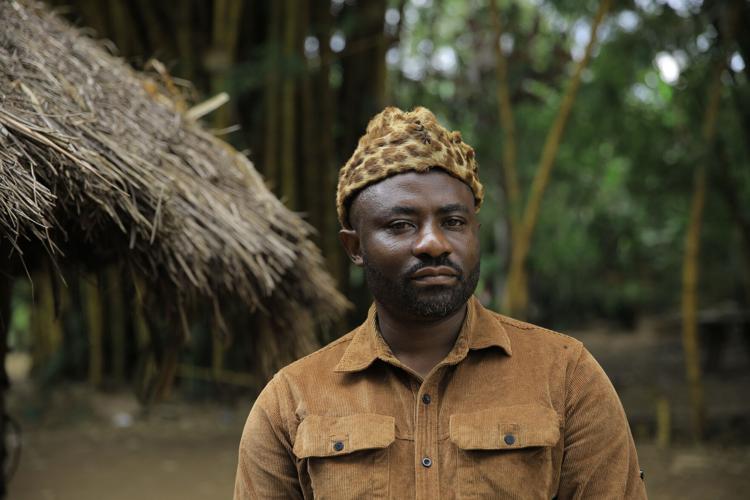
BENI, Democratic Republic of the Congo — A village chief in eastern Democratic Republic of the Congo (DRC) is working to overcome fear, misinformation and discrimination surrounding Ebola after losing four members of his family to the disease, even as the outbreak continues to claim lives and challenge public health efforts.
Alphonse bin Kitobi Achou Taibo, chief of Bapakombe-Bakondo village near Beni in North Kivu province, has become an advocate for early medical treatment after witnessing how mistrust prevented some of his relatives from seeking hospital care.
According to reporting by The Associated Press published on Thursday, October 29, 2026, several of his sick relatives initially refused to go to hospital because they feared they would die there. Some believed Ebola was a form of poisoning, while traditional healers offered explanations and remedies that delayed access to appropriate medical care.

Achou Taibo eventually persuaded other relatives to seek treatment. Eleven members of his extended family survived after he took them to hospital, but four others died.
His experience illustrates the challenges facing health authorities in eastern Congo, where misinformation, insecurity and distrust of medical institutions are complicating efforts to contain one of the region’s most serious Ebola outbreaks.
Ebola Outbreak Intensifies in Eastern Congo
The outbreak, caused by the Bundibugyo strain of the Ebola virus, has spread across communities already affected by years of armed conflict and limited access to essential services.
According to figures from Congo’s Ministry of Health reported by the Associated Press, the outbreak had exceeded 10,000 confirmed cases and 4,800 deaths by the week of October 26, 2026.
The Bundibugyo virus is one of the known species of Ebola virus. Unlike some other Ebola species, it does not have an approved vaccine or specific approved treatment. Patients can nevertheless receive supportive medical care, including fluids, symptom management and treatment for complications, which can improve their chances of survival.
Health workers are facing significant obstacles in reaching affected communities, including poor roads, insecurity and resistance from residents who distrust official explanations of the disease.
Misinformation Delays Treatment and Puts Lives at Risk
Achou Taibo’s efforts to protect his relatives were complicated by beliefs that Ebola deaths were caused by poisoning rather than infection.
When one of his cousins died, a traditional medicine clinic reportedly attributed the death to poisoning. Another relative, Zawadi Kavira Musubao, became ill around the time of the funeral and was also given that explanation.
A traditional healer prepared a potion intended to remove the alleged poison from her body. Musubao’s condition worsened, according to the Associated Press report, before she eventually recovered from Ebola.
These experiences demonstrate how misinformation can delay testing and treatment when people rely on unverified explanations for serious symptoms.
Health officials stress that Ebola is an infectious disease and that suspected cases require prompt assessment by trained medical professionals. Early recognition, appropriate infection prevention measures and supportive care are important components of the response.
The consequences of misinformation can extend beyond individual patients. Delays in identifying cases make it more difficult for health teams to trace contacts, identify transmission chains and prevent further infections.
Fear and Distrust Fuel Violence Against Health Workers
Efforts to contain the outbreak have also encountered hostility and violence.
Achou Taibo said he had witnessed residents accuse neighbours of witchcraft, with some young people setting fire to homes because of suspicions surrounding Ebola deaths.
Such incidents reflect how fear can turn into discrimination and violence when communities lack reliable information or confidence in public health interventions.
The broader security situation in eastern Congo makes the response even more difficult. Armed groups operate across parts of the region, restricting movement and making it dangerous for medical teams to reach certain communities.
The Associated Press also reported that a nurse was killed and another health worker injured while responding to an Ebola alert in Bafwasende, in Tshopo province. The World Health Organization condemned the attack and warned against allowing misinformation and fear to fuel violence.
The incidents underline the risks faced by healthcare workers and community outreach teams attempting to provide information, identify suspected cases and encourage residents to seek treatment.
Ebola Survivors Face Discrimination After Recovery
For some people who survive Ebola, the difficulties continue after they leave treatment facilities.
Musubao, one of Achou Taibo’s relatives who recovered from the disease, said her landlord forced her family to leave their home after health workers disinfected the property. The landlord reportedly believed the disinfection had brought evil spirits into the house.
The family moved in with another relative, while Musubao struggled to find employment after her illness.
Such experiences illustrate the stigma that Ebola survivors and their families can face. Rejection by landlords, employers and neighbours can deepen financial hardship and discourage people from reporting symptoms or cooperating with health teams.
Public health specialists emphasize that survivors should not be blamed or socially excluded because they contracted the disease. Accurate information, community education and respectful support are essential to reducing stigma and helping affected families rebuild their lives.
Village Chief Encourages Residents to Seek Medical Care
Despite losing four relatives, Achou Taibo continues to encourage residents to report symptoms and seek professional medical assistance.
He speaks to community members about the importance of testing and treatment and helps struggling families with food and financial support when he can.
His work reflects the important role that trusted local leaders can play during public health emergencies. Village chiefs, religious leaders, community volunteers and traditional healers can help bridge the gap between health authorities and residents who are suspicious of official interventions.
Building that trust requires more than distributing information. Communities also need access to reliable healthcare, clear explanations of treatment procedures and respectful responses to their concerns.
As Ebola continues to spread in eastern Congo, Achou Taibo’s experience highlights the human cost of misinformation and the importance of community engagement in controlling outbreaks.
For families affected by the disease, overcoming fear and discrimination is closely linked to the ability to obtain timely treatment, protect loved ones and prevent further transmission.
Swifteradio.com