
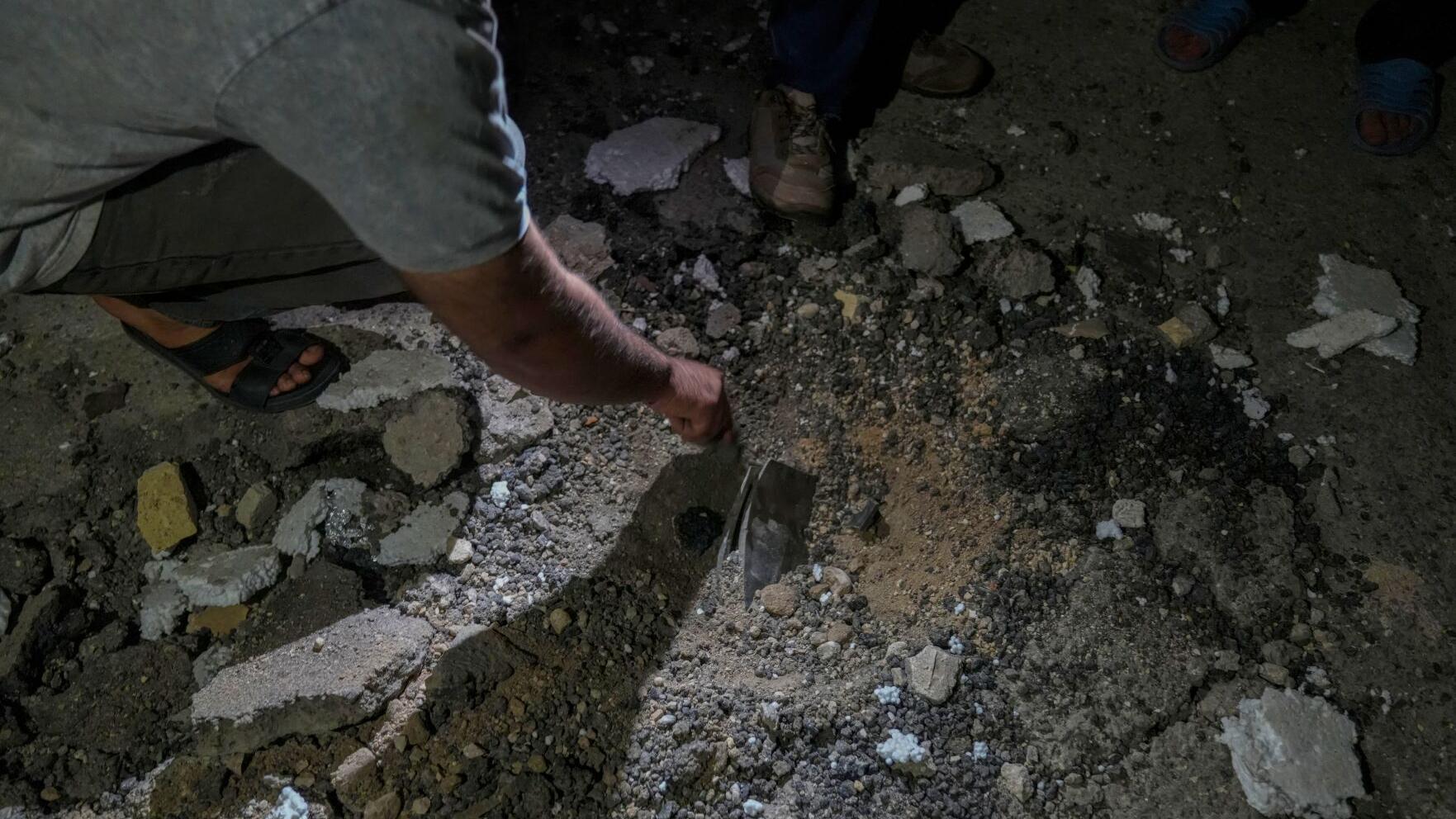
A newly developed U.S. ballistic missile appears to have killed at least 21 civilians, including seven children, in southern Iran, with some victims reportedly struck by fragments or metal pellets well beyond the weapon’s detonation point, according to an investigation by conflict monitor Airwars and an analysis reviewed by weapons experts and The Associated Press.
The strikes occurred on February 28, 2026, in the Iranian city of Lamerd, during the opening day of the war between the United States and Iran. Three missiles reportedly detonated above a sports complex and two nearby residential areas. Airwars found evidence that civilians were killed as far as about 50 meters (164 feet) from the locations where the missiles exploded, while damage extended considerably farther.
The weapon is believed to be the Precision Strike Missile (PrSM), manufactured by Lockheed Martin. The U.S. military has confirmed that PrSM missiles were used in Iran but has denied launching the weapons or any other missiles into Lamerd.
The PrSM is designed to detonate in the air and release thousands of dense tungsten pellets at high speed. Images, videos and satellite imagery examined by Airwars and verified by AP showed widespread impact marks on buildings, streets and vehicles, a pattern weapons experts said was consistent with the missile’s airburst capabilities.

The identity of the intended target remains unclear. An Islamic Revolutionary Guard Corps compound is located near the sports complex, but satellite imagery reviewed by investigators showed no apparent damage to the compound. Six weapons experts, including two former military officials, told AP they believed PrSM missiles struck Lamerd and said the weapon should not be used near densely populated areas.
U.S. Central Command has disputed the findings. A military spokesperson previously said the United States did not attack Lamerd and suggested that footage of one strike indicated an Iranian Hoveyzeh cruise missile had been used. Weapons experts who reviewed the footage told AP that the missile shown did not appear to match the Iranian weapon.
The investigation has raised broader questions about the use of the new missile in populated areas, particularly because the weapon was reportedly making its combat debut. Experts say its capabilities may provide significant advantages against military targets, but its use near civilian communities could increase the risk of unintended casualties.
The PrSM is intended to replace the U.S. Army’s older ATACMS missile system and can reportedly strike targets more than 499 kilometers (310 miles) away, according to Lockheed Martin. The Pentagon has since awarded the company a contract worth more than $4 billion to significantly increase production.
The Lamerd incident has therefore become an important case in the debate over precision weapons, civilian protection and the responsibilities of militaries when conducting strikes near populated areas.
SEO Tags: U.S. missile Iran, Precision Strike Missile, PrSM Iran, Iranian civilians killed, Lamerd Iran missile strike, U.S. Iran war, Iran war 2026, U.S. airstrike Iran, Iranian civilian casualties, Lockheed Martin PrSM, Precision Strike Missile Iran, Airwars investigation, Iran missile attack, U.S. military Iran, Iranian children killed, Lamerd attack, tungsten pellets missile, ballistic missile Iran, civilian casualties Iran, U.S. weapons Iran, Pentagon missile program, Iran conflict, Iran news, U.S. military news, Middle East conflict, civilian protection, international news, breaking news
