Table of Contents
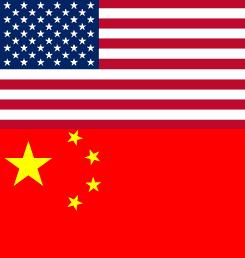
The United States has criticised China’s sanctions on senior officials from Belize and Paraguay over their governments’ ties with Taiwan, opening a new front in the contest for diplomatic influence in the Western Hemisphere.
A US State Department spokesperson said on October 13 that Washington opposed what it called coercion against countries exercising sovereign diplomatic choices. China responded that the United States should stop supporting forces advocating Taiwan’s independence.
What China did
Beijing imposed measures on ministers from Belize and Paraguay after contacts with Taiwan. Reuters reported that the sanctions are largely symbolic because officials from Taiwan’s diplomatic partners generally do not travel to mainland China, but they still carry political meaning.
Belize and Paraguay are among only 12 countries that maintain formal diplomatic relations with Taiwan. China claims Taiwan as part of its territory and says countries cannot have official relations with both Beijing and Taipei. Taiwan’s government rejects Beijing’s sovereignty claim.

What is confirmed — and what is not
Confirmed: China announced sanctions, the United States publicly objected, and officials in Taiwan criticised the measures. No military action or new US economic sanction was announced in the statements reviewed for this report.
The practical effect on the targeted ministers may be limited, but the episode should not be dismissed as mere rhetoric. Beijing has steadily persuaded former Taiwanese partners to switch recognition, including Honduras in 2023 and Nauru in 2024.
Why Latin America and the Caribbean matter
The dispute shows how the China–Taiwan rivalry overlaps with Washington’s focus on its own hemisphere. For Belize and Paraguay, the calculation involves development finance, trade access, domestic politics and long-standing diplomatic relationships.
For Taiwan, each remaining formal partner provides a channel for participation and advocacy in international organisations from which it is often excluded. For China, persuading those governments to switch recognition reinforces its claim that Taiwan is not a separate state.
What happens next
The immediate question is whether Beijing widens the measures or combines them with economic pressure. Another is whether Washington offers additional diplomatic or economic support to Taiwan’s remaining partners. Neither outcome was confirmed as of publication.
Readers should distinguish the official positions: Washington and Taipei describe the measures as coercive; Beijing presents them as a response to conduct touching what it considers an internal sovereignty issue.
Sources
- Reuters, October 13, 2026
- US Department of State
- Ministry of Foreign Affairs of the People’s Republic of China
