
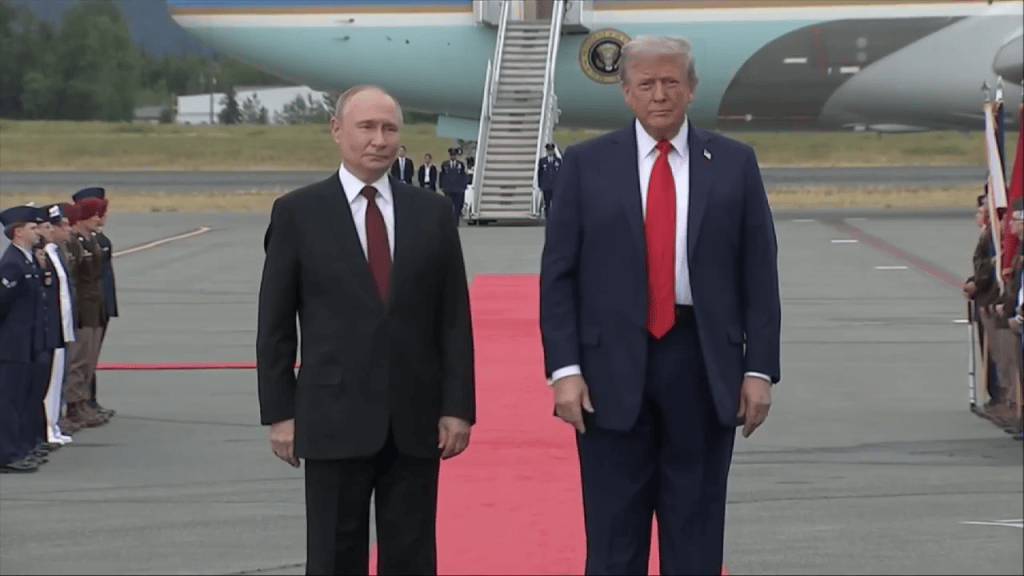
U.S. President Donald Trump has announced an agreement with Russian President Vladimir Putin to increase diesel supplies to American and global markets, marking a significant shift in Washington’s approach to Russian energy exports as fuel prices rise ahead of the November midterm elections.
Trump announced the agreement on Friday, October 9, 2026, following a telephone conversation with Putin. The deal comes despite the United States’ longstanding efforts to restrict Russia’s energy revenues following its full-scale invasion of Ukraine in 2022.
The announcement has also raised questions about the future of U.S. sanctions against Moscow, particularly after Trump signed legislation last month aimed at tightening economic pressure on Russia.

Russia to Supply Millions of Tons of Diesel
According to Trump, Russia will immediately supply more than 300,000 tons of diesel to the American and global markets. He said an additional 500,000 tons would follow in November, with another one million tons expected shortly afterward.
Trump also announced plans for Russia to supply a further three million tons within a relatively short period, depending partly on the condition of its diesel refineries.
However, the precise amount of fuel destined for the United States remains unclear. The White House had not provided full details about the payment arrangements, delivery schedules or the proportion of the announced supplies expected to reach American buyers.
Trump said the agreement was intended to help reduce fuel costs for Americans, particularly farmers, ranchers and truckers, who are heavily affected by rising diesel prices.
The deal comes as disruptions to global energy supplies linked to the war involving Iran and continued attacks on Russian oil infrastructure have placed additional pressure on fuel markets.
US Treasury Eases Restrictions on Russian Diesel
Following Trump’s announcement, the U.S. Treasury Department issued a temporary licence allowing certain Russian diesel shipments to reach global markets, including the United States.
The authorisation provides temporary relief from sanctions for eligible shipments of Russian diesel that had been loaded onto tankers by October 9. The measure is scheduled to remain in effect until April 2027.
The decision represents a notable change in policy, given Washington’s efforts to limit Moscow’s energy earnings since the invasion of Ukraine. The United States previously prohibited Russian oil and gas imports in 2022 as part of its response to the war.
The latest move also follows the passage of bipartisan legislation designed to increase pressure on Russia’s energy sector and other sources of revenue that help finance its military campaign.
The decision has therefore raised questions about how the administration will balance its efforts to lower domestic fuel prices with its commitments to maintaining economic pressure on Moscow.
Ukraine Criticises the Agreement
Ukrainian President Volodymyr Zelenskyy criticised the announcement, warning that easing restrictions on Russian energy exports could benefit Moscow while its war against Ukraine continues.
Zelenskyy described the decision as a weak response from international partners and argued that additional revenue for Russia could help prolong the conflict.
His criticism came as U.S. envoy Steve Witkoff and presidential son-in-law Jared Kushner were meeting Ukrainian officials in Miami to discuss proposals aimed at ending the war.
The timing of the diesel agreement has added to concerns about whether Washington’s energy policy will remain consistent with its broader diplomatic and economic strategy toward Russia.
Some American lawmakers have also questioned the decision, arguing that relaxing restrictions could undermine the objectives of recently enacted sanctions legislation.
Will the Deal Lower Diesel Prices?
Although Trump has presented the agreement as a way to reduce fuel costs, its impact on prices remains uncertain.
U.S. diesel prices stood at approximately $6.28 per gallon on October 9, according to figures reported by Reuters. Prices have risen sharply amid disruptions to global energy supplies, increasing pressure on industries that depend heavily on diesel, including transportation, agriculture and freight.
Energy analysts have cautioned that additional Russian supplies may not automatically translate into substantial price reductions for American consumers. The fuel could enter the wider international market rather than being delivered exclusively to the United States, while existing supply shortages and geopolitical tensions continue to influence prices.
The White House has also yet to provide a complete breakdown of when the announced shipments will arrive and how much fuel will be available before Election Day on November 3.
Consequently, the extent of any immediate relief for American drivers and businesses remains unclear.
Energy Policy Becomes a Midterm Election Issue
The agreement comes just weeks before the U.S. midterm elections, when voters are closely watching the cost of living and the price of essential goods and services.
Diesel costs affect more than motorists. Higher prices can increase transportation expenses, raise the cost of moving agricultural products and contribute to wider pressures across supply chains.
Trump’s decision to seek additional supplies from Russia places fuel affordability at the centre of a wider debate about sanctions, international relations and the economic consequences of the wars affecting global energy markets.
While the administration hopes increased supplies will ease pressure on consumers and businesses, critics argue that relaxing restrictions could weaken efforts to limit Russia’s revenue during its war against Ukraine.
The coming weeks are likely to bring greater scrutiny of the agreement, including its implementation, its effect on fuel prices and its implications for U.S.-Russia relations.
Swifteradio.com
