
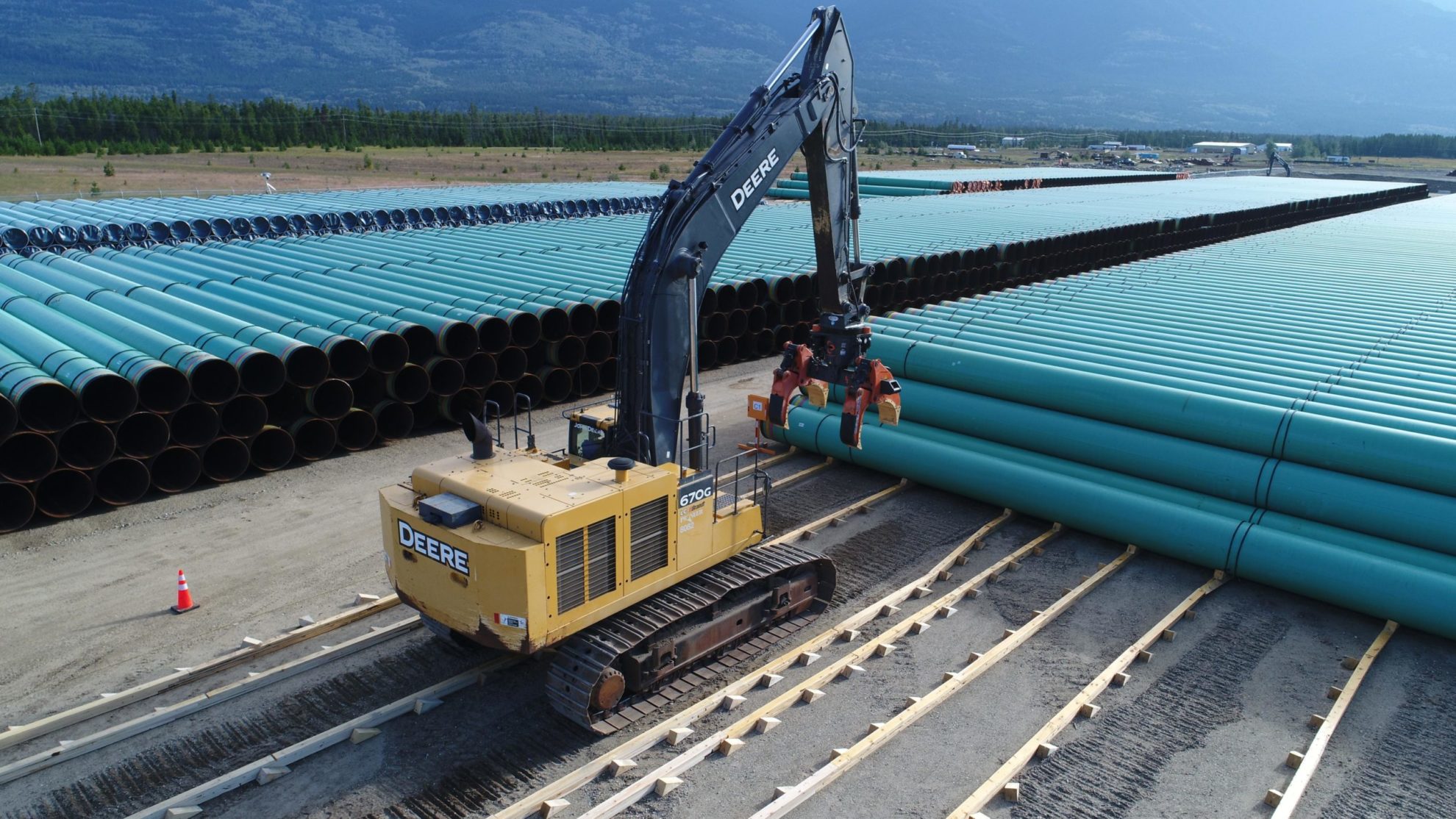
Canada’s oil and gas industry remains confident that the proposed Pacific Link energy project will move forward, although uncertainty about its timeline continues to raise questions about when the development could become a reality.
A survey of industry participants indicates that confidence in the project’s eventual completion remains strong, even as respondents express less certainty about when construction and other major stages could proceed.
The findings highlight the importance of major energy infrastructure projects to Canada’s petroleum sector, particularly as producers look for ways to expand market access and reduce their dependence on existing transportation routes.

For the oilpatch, the prospect of new infrastructure represents a potential opportunity to strengthen Canada’s position in international energy markets. However, uncertainty surrounding project schedules, regulatory requirements, financing and construction planning can make it difficult for companies to determine when anticipated benefits might materialize.
Confidence in the Project’s Future
The survey suggests that many industry participants believe Pacific Link will eventually proceed, reflecting continued interest in infrastructure capable of supporting Canada’s energy sector.
Major energy projects often require substantial financial commitments, detailed engineering work, regulatory approvals and coordination among governments, Indigenous communities, investors and private-sector companies.
Even when an industry has confidence in a project’s long-term prospects, the process of moving from planning to construction can take considerable time.
Changes in market conditions, financing costs, regulatory decisions and stakeholder consultations can influence the pace of development.
The difference between confidence in a project’s eventual completion and certainty about its schedule is therefore significant. Industry participants may believe a project is commercially or strategically important without knowing precisely when it will advance.
For oil and gas producers, that uncertainty can affect decisions about future production, transportation arrangements and investment planning.
Why Energy Infrastructure Matters to Canada
Access to reliable transportation infrastructure is an important consideration for Canada’s oil and gas industry.
Producers need dependable ways to move energy products from production sites to refineries, processing facilities and export markets. Limited transportation capacity or dependence on a narrow range of markets can create challenges when demand, prices or international trade conditions change.
Infrastructure projects intended to improve access to Pacific markets can attract particular attention because they may offer opportunities to reach customers across Asia and other international destinations.
Expanding market access can potentially help Canadian producers diversify their customer base and compete more effectively with suppliers from other countries.
However, the benefits of any proposed project depend on its final design, capacity, commercial arrangements, construction costs and the markets it is intended to serve.
Without confirmed project details and a firm development schedule, it remains difficult to determine when those potential benefits could be realized.
Timing Remains a Major Challenge
Although industry confidence may be encouraging for supporters of Pacific Link, uncertainty about timing remains an important consideration.
Large infrastructure developments can face delays arising from regulatory reviews, environmental assessments, consultations with Indigenous communities, financing arrangements and negotiations with project partners.
Construction planning can also be affected by labour availability, material costs, engineering requirements and changes in economic conditions.
These factors can make it difficult to establish a reliable timeline before the necessary approvals and commercial arrangements are secured.
For companies operating in the oilpatch, a clearer schedule would help inform investment decisions and expectations about future transportation capacity.
Investors and industry stakeholders generally seek certainty about when a project could begin construction, when it might become operational and whether its expected costs remain commercially viable.
Until those questions are answered, confidence in Pacific Link’s eventual completion may coexist with caution about its near-term prospects.
Implications for the Oil and Gas Sector
The survey findings point to continued industry interest in major energy infrastructure, while also illustrating the challenges involved in turning proposed developments into operating projects.
Canada’s energy sector continues to navigate changing global demand, competition from international producers, investment pressures and discussions about the country’s long-term energy strategy.
Projects that improve transportation options may form part of the industry’s efforts to strengthen competitiveness and diversify export opportunities.
Nevertheless, the success of Pacific Link will depend on the project’s specific circumstances, including its regulatory pathway, financing, stakeholder support and ability to meet commercial requirements.
The survey’s findings should therefore be viewed as an indication of industry sentiment rather than confirmation that construction will begin by a particular date.
What Comes Next for Pacific Link?
The key question for industry participants is whether confidence in the project will translate into concrete progress and a clearer timeline.
Further information about approvals, financing, project partnerships and construction planning would help establish how close Pacific Link is to moving forward.
For now, the survey points to a sector that remains optimistic about the project’s prospects but less certain about when it will advance.
That distinction will remain important for producers, investors and other stakeholders assessing Canada’s future energy infrastructure and export capacity.
Swifteradio.com
