
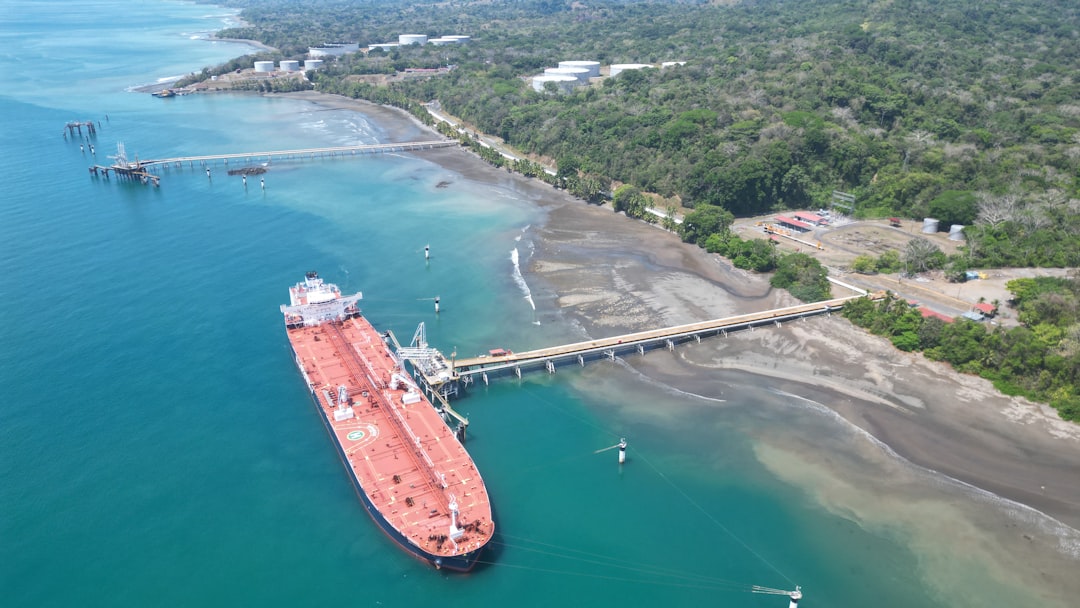
Oil markets are once again being forced to price geopolitical risk after disruptions around major Middle Eastern energy routes. Recent reporting points to damage affecting a Saudi pipeline route used to move crude while avoiding the Strait of Hormuz.
For consumers, the important point is that a disruption does not need to remove all global supply to influence prices. Markets react to uncertainty, insurance costs, shipping delays, inventory expectations and fears about what could happen next.
Why Nigeria is exposed too
Nigeria is an oil producer but remains highly sensitive to global energy prices. Higher crude prices can improve government and export revenues while also increasing the cost of fuel and transport.
Refining capacity changes the picture. Domestic refining can reduce dependence on imported finished products, but crude supply, logistics and global price movements still matter.

The current episode reinforces a broader lesson: energy security is about diversification. Countries need multiple supply routes, reliable storage, strong refining capacity and infrastructure that can absorb shocks.
For households, the effects may arrive indirectly through transportation, food distribution and manufacturing costs even when they do not buy fuel directly.
Sources: Reuters and current energy-market reporting, September 2026.