
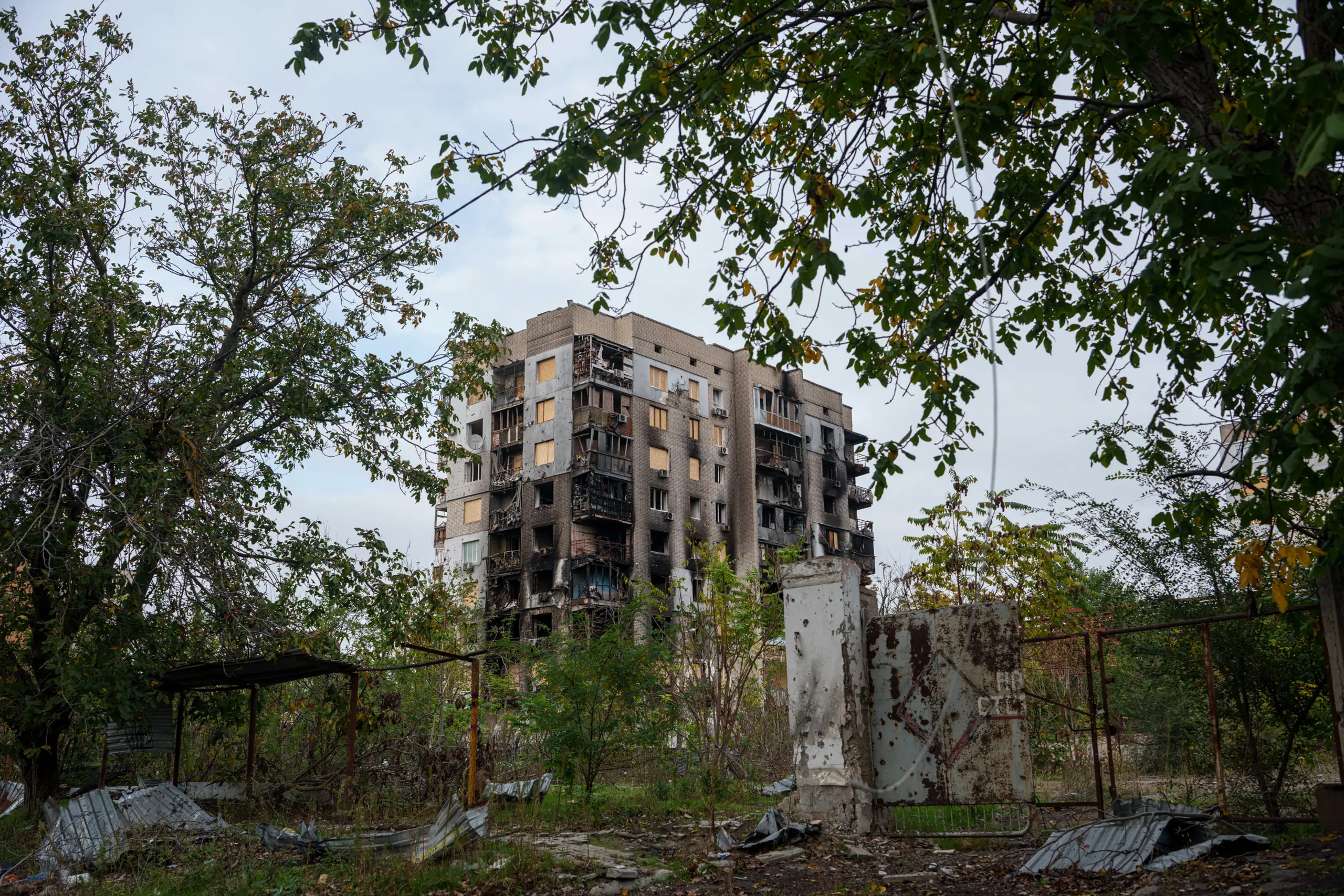
OLESHKY, Ukraine — Humanitarian aid is expected to reach the Russian-occupied Ukrainian city of Oleshky as a localized ceasefire between Russian and Ukrainian forces continues to hold for a third day, raising hopes for thousands of civilians facing severe shortages of food, medicine and other essential supplies.
Ukrainian officials said on Thursday, October 29, 2026, that the temporary truce had remained in effect for approximately 54 hours without reported violations. Military personnel have been working to clear landmines from roads to prepare a safe route for humanitarian convoys expected to deliver assistance on Friday.
The six-day ceasefire, which began on Tuesday, is intended to allow aid deliveries into Oleshky and facilitate the evacuation of civilians who wish to leave the city. The agreement represents a rare pause in the fighting in southern Ukraine, where residents have endured years of conflict and increasingly difficult living conditions.

Thousands of Civilians Face Critical Shortages
Oleshky, located in Ukraine’s southern Kherson region across the Dnipro River from the Ukrainian-controlled city of Kherson, remains under Russian occupation.
Before Russia launched its full-scale invasion of Ukraine in February 2022, Oleshky had a population of approximately 24,000. Current estimates suggest that only about 1,700 to 2,000 residents remain, many of them elderly people who have been unable or unwilling to leave.
Residents have faced severe shortages of food, clean water, medicine and electricity. Reports from the area describe people struggling to obtain basic necessities as damaged infrastructure, insecurity and restricted movement make daily life increasingly difficult.
The planned humanitarian operation is expected to provide essential supplies to residents who have remained trapped in the occupied city. Officials have also discussed arrangements to help civilians evacuate, although the practical details of safe passage remain complex.
Russia and Ukraine Report No Ceasefire Violations
Ukrainian human rights ombudsman Dmytro Lubinets said the ceasefire had held for 54 hours as of Thursday, with no violations reported by either side.
His Russian counterpart, Yana Lantratova, also confirmed that the agreement remained in effect. Russian engineers have been involved in clearing mines from roads around Oleshky to prepare for the planned humanitarian convoy.
The demining operation is a crucial part of the mission because explosive devices and damaged roads could endanger aid workers, military personnel and civilians attempting to leave the area.
The temporary agreement is intended to create a limited humanitarian corridor rather than end the broader conflict. Russia and Ukraine remain at war, and the truce does not represent a nationwide ceasefire.
Melania Trump and Pope Leo XIV Linked to Ceasefire Efforts
The ceasefire has been associated with diplomatic efforts involving U.S. First Lady Melania Trump and Pope Leo XIV.
According to the White House, Melania Trump and her representative worked with Russian and Ukrainian officials to establish the temporary arrangement, including procedures for aid delivery and civilian evacuation.
Pope Leo XIV also appealed for humanitarian assistance and a halt to fighting in the area. The initiative has drawn attention because previous attempts to establish ceasefires during the war have often failed or broken down quickly.
The agreement offers a narrow opportunity to deliver assistance to civilians without the immediate threat of fighting along the designated route. However, its success will depend on continued compliance, safe access and coordination between the parties involved.
Fighting Continues Elsewhere in Ukraine
Despite the relative calm around Oleshky, attacks continued in other parts of Ukraine.
On Thursday, Ukrainian officials reported that a Russian drone struck two trains at a station in the central city of Dnipro, killing at least 13 people and injuring 10 others. The attack underscored the continuing dangers faced by civilians even as limited humanitarian arrangements are implemented elsewhere.
The contrast between the temporary truce in Oleshky and continued attacks across the country highlights the limited scope of the agreement. The ceasefire is focused on enabling a humanitarian operation, not resolving the wider war.
Humanitarian Mission Offers a Limited Window of Hope
For Oleshky’s remaining residents, the planned aid delivery could provide urgently needed food, medicine and other essentials after months of hardship.
The proposed evacuation arrangements could also offer an opportunity for civilians who want to leave the occupied city to reach a safer destination.
However, mine-clearing work, damaged infrastructure and the fragile nature of the ceasefire remain major obstacles. Aid organizations and officials will need safe access and continued cooperation from both sides to complete the mission.
As the temporary truce enters its third day, attention is focused on whether the humanitarian convoy can reach Oleshky as planned and whether civilians will be able to receive assistance or evacuate safely.
For residents caught in the conflict, the immediate priority is relief from shortages and protection from further violence. Whether the temporary pause can deliver lasting benefits will depend on what happens during the remaining days of the agreement.
Swifteradio.com