
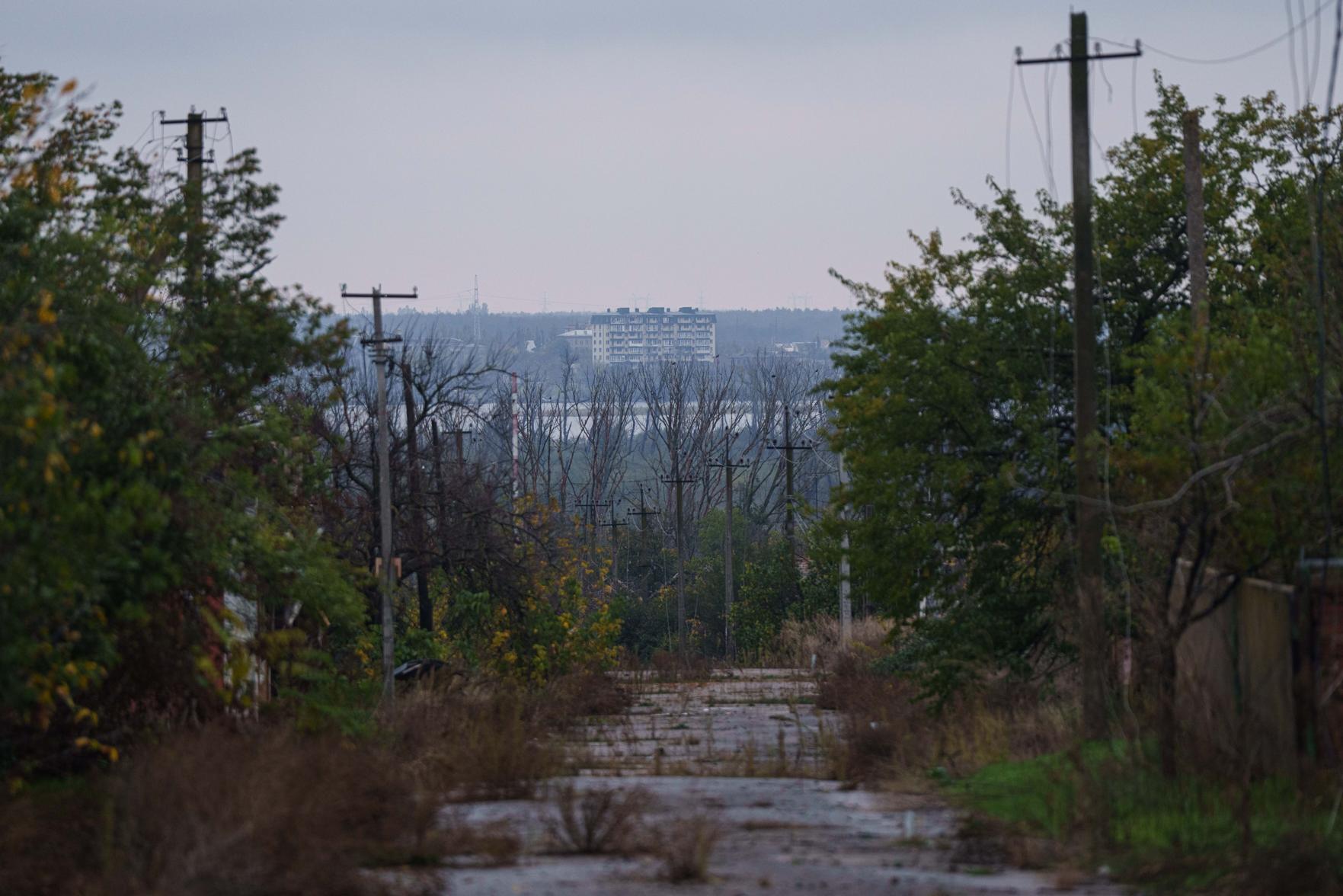
KHERSON REGION, Ukraine — A temporary ceasefire in southern Ukraine has provided a rare opportunity for civilians trapped in some of the country’s most dangerous frontline communities to escape after months of living under the constant threat of Russian attacks.
The localized truce, which began on October 27, allowed Ukrainian officials, police officers, Red Cross workers and volunteers to enter riverside communities in the Kherson region to evacuate residents and deliver humanitarian assistance.
The operation reached settlements that had been largely inaccessible for nearly two years because of persistent drone attacks, artillery fire, landmines and other battlefield dangers.

According to the Kherson regional administration, approximately 180 people, including 23 children, were evacuated from riverside communities and the city of Kherson during the operation.
However, the ceasefire ended on Sunday evening, November 1, leaving those who remained behind facing renewed threats as fighting continues along the Dnipro River.
Civilians Endure Dangerous Conditions in Kherson’s Riverside Communities
One of the communities affected by the fighting is Kozatske, a small riverside village located less than two kilometres from Russian-controlled territory.
Among the remaining residents is 53-year-old Nataliia Diadiuk, whose daily life has become a struggle for survival.
She uses a white towel outside her home and carries a white cloth to signal to Russian drone operators that she is a civilian.
With regular access to essential supplies severely restricted, Diadiuk collects rainwater for drinking, gathers firewood for warmth and depends on whatever food remains available.
She also cares for abandoned dogs whose owners have fled the fighting.
The village has suffered extensive destruction, with damaged houses, burned vehicles and unexploded weapons scattered throughout the area. Mines dropped by drones have made movement particularly dangerous.
The temporary ceasefire allowed humanitarian teams to reach residents who had been isolated from regular assistance for extended periods.
Many Residents Remain Reluctant to Leave Their Homes
Despite the dangers, some residents have refused to abandon their homes.
Another resident, 54-year-old Oleksii Shavokin, said he had adapted to living under constant threat after his house was damaged by a mortar attack in 2023.
He survives partly on remaining humanitarian supplies and eggs from his chickens, carefully rationing his food.
For residents like Shavokin, leaving is not simply a matter of finding transportation. Many are uncertain about where they would go, how they would support themselves or whether they would ever be able to return.
Oleh Tarabaka, head of the Nova Kakhovka military administration, said the temporary pause in fighting was essential to reaching people in communities that humanitarian teams could not safely access under normal conditions.
He explained that without the ceasefire, evacuation teams would have struggled to enter the affected settlements.
Some residents also fear losing their homes, belongings and connections to the communities where they have spent most of their lives.
Red Cross Evacuates More People During Temporary Truce
The Ukrainian Red Cross Society also used the temporary ceasefire to increase evacuation operations in Kherson city.
Mykola Taranenko, commander of the organization’s rapid response team in the region, said his unit normally evacuates approximately 10 people each week.
During the ceasefire period, however, the team evacuated at least 40 people from the city.
Among those who escaped were 77-year-old Volodymyr and Kateryna Yakuba, a former married couple who travelled together to join their daughter in Odesa.
Their evacuation highlighted the difficult decisions facing older residents who must leave familiar surroundings without knowing whether their homes will remain standing.
Humanitarian workers said the temporary reduction in hostilities made it possible to organize journeys that would otherwise have carried unacceptable risks.
Ceasefire Also Supports Humanitarian Operation in Oleshky
The temporary pause in fighting was also connected to a broader humanitarian operation involving the Russian-occupied town of Oleshky, where residents had faced serious shortages of food and medicine.
The six-day localized ceasefire enabled demining operations, humanitarian deliveries and the evacuation of civilians seeking to leave the occupied town.
Ukrainian officials reported that residents were transported through Russia and Belarus before reaching Ukrainian-controlled territory.
The operation followed mediation efforts involving U.S. First Lady Melania Trump and Pope Leo XIV.
Reuters reported that the humanitarian arrangement allowed civilians to return to Ukraine after enduring severe shortages and dangerous living conditions in Oleshky.
Fighting Threatens Civilians as Temporary Truce Expires
With the ceasefire now over, residents remaining in the Kherson region face renewed exposure to drones, artillery, glide bombs and mines.
Ukrainian authorities reported evacuating another 167 people from threatened areas of southern Kherson on November 1 as the temporary arrangement expired.
Although the humanitarian operation provided temporary relief, it did not resolve the wider security crisis affecting communities along the front line.
For those who escaped, the next challenge will be finding stable accommodation and rebuilding their lives. For those who remain, daily survival continues under dangerous and uncertain conditions.
The operation has demonstrated how even a short pause in fighting can create opportunities to deliver humanitarian assistance and save lives. However, the continuing danger in Kherson highlights the urgent need for sustained protection of civilians and safe access for humanitarian organizations.
Swifteradio.com


