Table of Contents
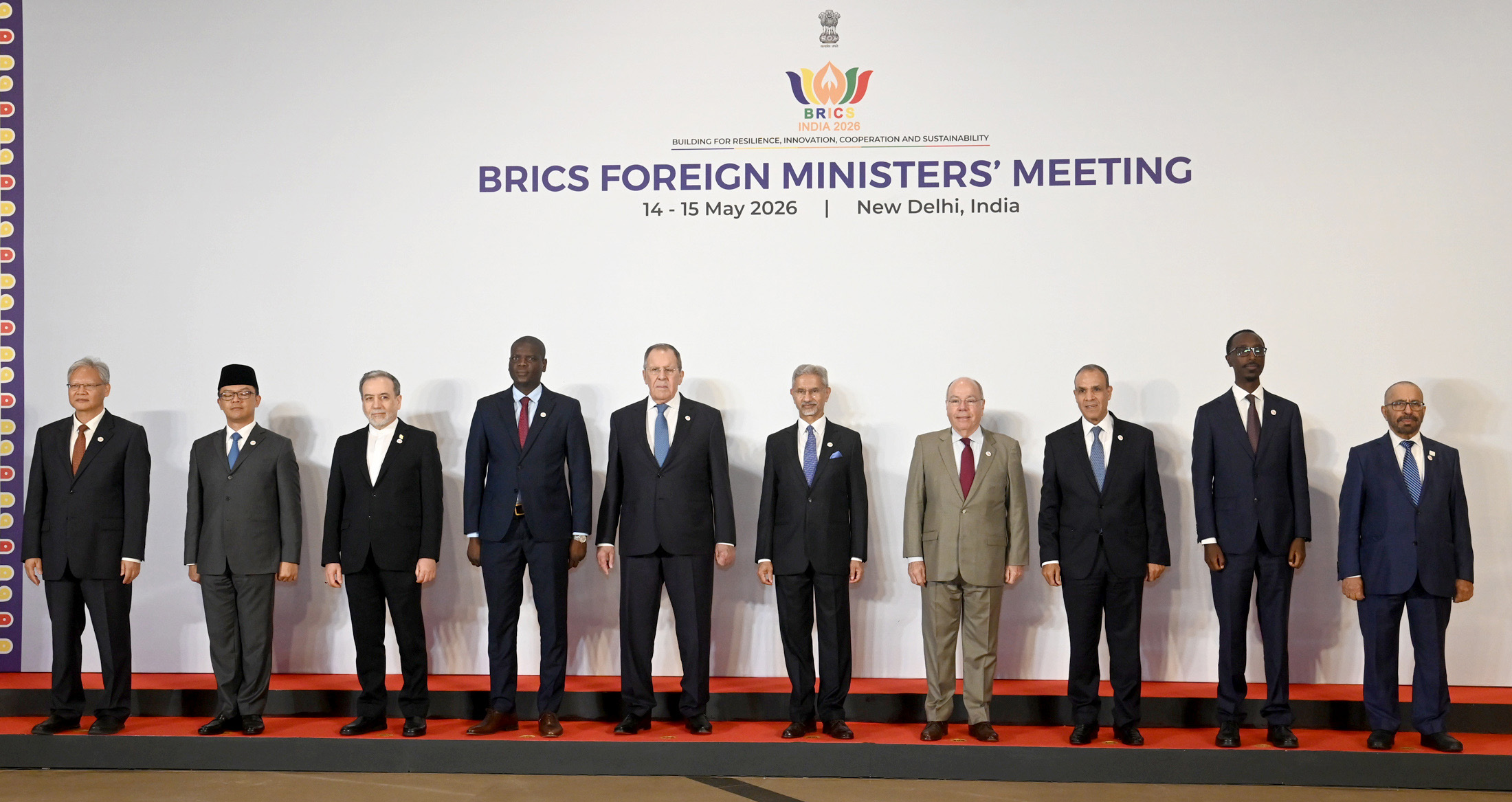
Swifte Radio — September 12, 2026: BRICS members are using their latest joint discussions to push a broader message: economic cooperation does not have to mean dependence on a single market, currency or financial channel.
The group’s latest declaration highlights continued coordination among major emerging economies at a time when trade rules, tariffs, supply chains and geopolitical alliances are shifting quickly. Rather than treating the bloc as a single economic system, the latest developments point to a practical effort to make trade between members easier and to give participating countries more options in how they settle transactions and build commercial relationships.
Why the message matters
For businesses, the most important part of the BRICS story is not a single announcement. It is the direction of travel. Countries are looking for ways to reduce exposure to disruptions that can come from sanctions, trade restrictions, currency volatility or sudden changes in relationships with major economies.
That could encourage more companies to diversify suppliers, customers and payment channels. It could also make trade corridors connecting Asia, the Middle East, Africa and Latin America more strategically important.

Trade is the immediate test
Talk of closer economic cooperation only becomes meaningful when it reaches companies on the ground. Faster settlement, clearer customs processes, better logistics links and lower transaction friction would be more consequential to exporters and importers than political language alone.
For African businesses, the development is worth watching closely. Stronger links with BRICS economies could create new sourcing and export opportunities, while also increasing competition for local producers. The outcome will depend on whether businesses gain practical access to financing, technology, logistics and reliable payment infrastructure.
A more diversified global economy
The broader trend is a world economy becoming more multipolar. Governments and companies are increasingly planning for several trade relationships rather than assuming one dominant route will always be available.
That does not mean traditional markets disappear. The United States, Europe and other major economies remain central to global commerce. But the growing emphasis on diversification could reshape where companies source products, where they manufacture, and which markets they prioritize.
What to watch next
The next signal will come from implementation. Swifte Radio will be watching for concrete steps on cross-border payments, trade facilitation, investment and business-to-business cooperation. Those details will show whether today’s geopolitical coordination becomes a material change in everyday commerce.
This is an original Swifte Radio report written from current public reporting and independent editorial analysis; it is not a copy-and-paste reproduction of another publication.