
G7 leaders announced a coordinated release of 100 million barrels of oil reserves over four months in an October 2 statement on global energy security and market stability.
The statement said the effort would begin immediately, with a substantial diesel release in the first 20 days. Leaders also called for coordination of refinery maintenance and pledged to avoid restrictions on energy trade within the group. The International Energy Agency was asked to monitor the situation and report before the end of that initial period.
The announcement sets out a policy commitment and timetable. It should not be read as evidence that all 100 million barrels have already reached buyers.
Why crude oil and diesel need separate attention
Explanation: Crude oil must be processed into usable products. More crude supply does not automatically solve a shortage of a particular fuel if refining or delivery remains constrained. That is why the statement’s references to diesel and refinery operations matter alongside the headline volume.

What African consumers should watch
For countries that export crude but also buy refined fuel, a global supply intervention can have several effects. Export receipts, import costs and retail prices do not necessarily move together.
In Nigeria and other African markets, readers should follow local supply conditions, exchange rates and announced pricing decisions before concluding that a global reserve release will lower pump prices. The G7 statement does not provide a Nigerian retail-price forecast.
The most useful follow-up will be evidence of deliveries, the mix of fuels released and any changes in market conditions. An announced timetable and a verified shipment should be reported separately.
Source: G7 leaders’ statement, October 2. Reviewed October 5, 2026.
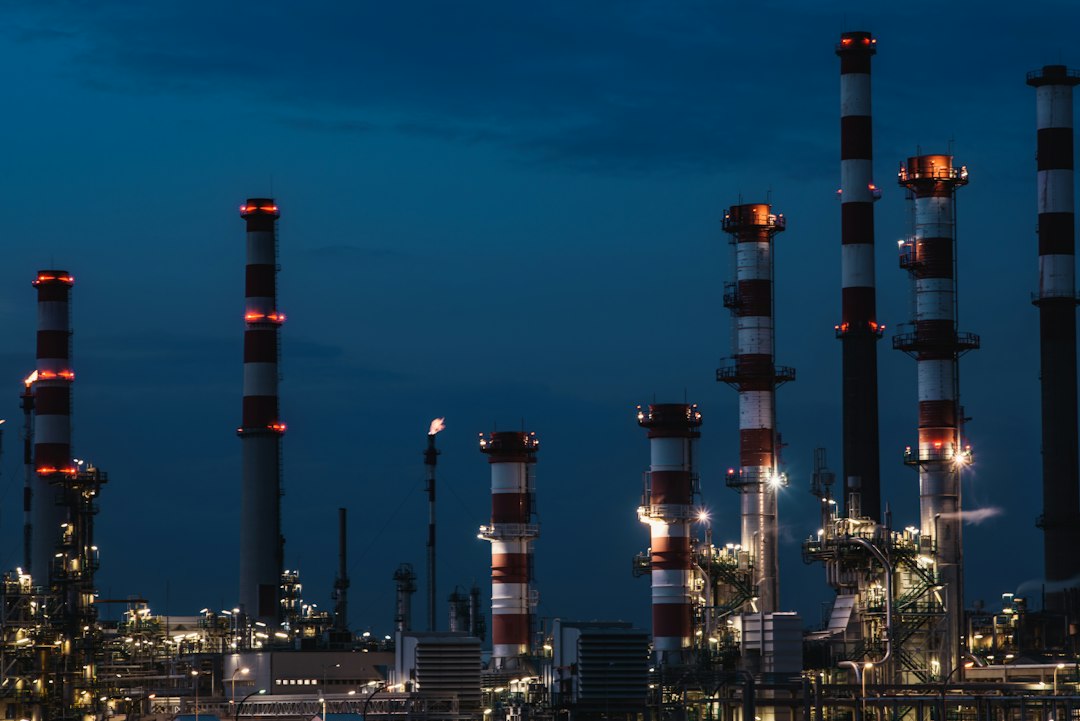
Image credit: Illustrative refinery photograph by Maksym Kaharlytskyi / Unsplash; not a photograph of the announced reserve release.


