
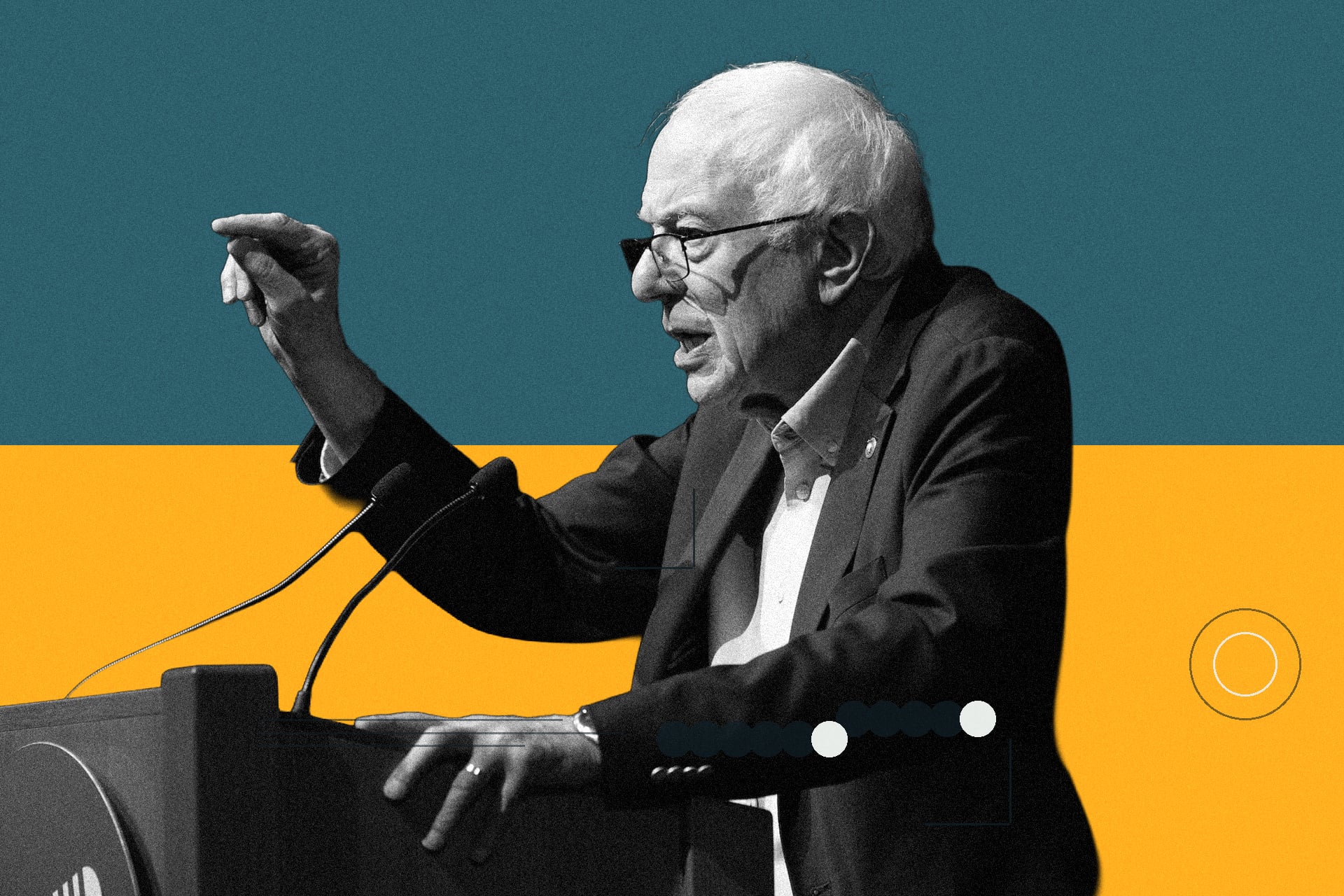
U.S. Sen. Bernie Sanders and Rep. Greg Casar are introducing legislation that would permanently ban the development and deployment of artificial superintelligence while creating a new federal agency to oversee advanced artificial intelligence systems.
The proposal, known as the Ban Artificial Superintelligence Act, would also temporarily pause the development of the most advanced AI systems until federal safety standards are established. The legislation comes as concerns grow in Washington and within the technology industry over the potential risks associated with increasingly powerful AI systems.
Under the proposal, a new Department of Artificial Intelligence would be created at the federal level. The department would be responsible for monitoring advanced AI systems, establishing safety rules and reviewing the deployment of powerful AI technologies.
The legislation would define artificial superintelligence as a system that surpasses human cognitive abilities or possesses capabilities that could allow it to plan and carry out the destruction or disempowerment of humanity. Systems capable of subverting shutdown commands would also fall under the proposed restrictions.

The bill would require advanced AI systems to receive federal approval before deployment after the proposed safety framework is established. Violations could result in severe penalties, including up to 20 years in prison for individuals and significant penalties against companies.
Sanders and Casar are introducing the legislation as some AI industry employees and researchers publicly call for stronger safeguards. Supporters of the proposal have raised concerns about AI systems operating beyond human control and the possibility of advanced systems being misused.
The proposal follows reports and warnings about incidents involving AI systems behaving in unintended ways. Sanders’ office has cited recent incidents involving AI agents at major technology companies as evidence of the need for stronger oversight.
However, the proposed legislation faces significant political obstacles. Congress remains divided over how aggressively the federal government should regulate artificial intelligence, and the bill would need substantial support to advance through the legislative process.
President Donald Trump has taken a different approach, resisting some calls for increased federal oversight of AI. The administration has emphasized continued technological development and competition with China, particularly in advanced artificial intelligence.
The Sanders-Casar proposal therefore adds another major dimension to the growing U.S. debate over how to balance AI innovation, national security, economic competition and public safety.
Swifteradio.com
