
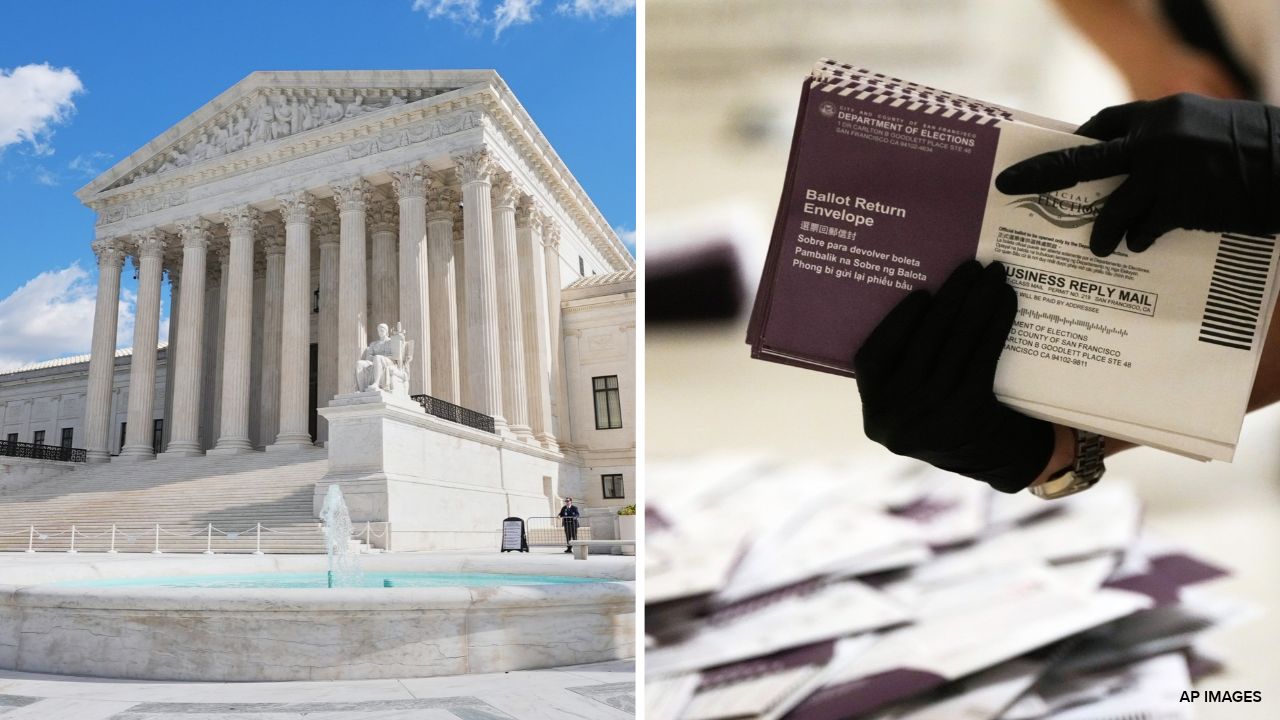
WASHINGTON — The administration of U.S. President Donald Trump has appealed to the Supreme Court in an effort to prevent California from counting approximately 20,000 disputed mail ballots ahead of the November 3, 2026, midterm elections.
The emergency appeal, filed on Monday, November 2, follows a series of court setbacks for the Justice Department, which wants California election officials to separate ballots associated with voters the federal government suspects may not be U.S. citizens.

Federal officials argue that the ballots should not be counted until the citizenship status of the individuals involved has been verified. California election authorities, however, maintain that the federal government’s list is unreliable and could include thousands of eligible American citizens.
The dispute has intensified just one day before Election Day, raising questions about election administration, voter eligibility and the authority of the federal government over state-run elections.
Justice Department Seeks Emergency Supreme Court Intervention
The Justice Department has asked the Supreme Court to issue a limited injunction directing California officials to stop mixing the disputed ballots with other votes while the legal proceedings continue.
The administration argues that separating the ballots would allow election officials to verify voters’ citizenship before including their votes in the final count.
The federal government identified more than 20,000 individuals on California’s voter rolls whom it considers likely to be noncitizens. It says state officials failed to cooperate with requests to review the list and establish whether the individuals were eligible to vote.
The Justice Department filed its lawsuit against California officials on October 15, 2026, after the state declined to comply with its demand to review the names within 48 hours and set aside the associated ballots.
California Questions Reliability of Federal Voter List
California officials have challenged the accuracy of the federal government’s information, arguing that the list could wrongly identify American citizens as noncitizens.
Los Angeles County election officials said a review of a random sample of individuals identified by the federal government suggested that most appeared to have been born in the United States.
State officials also argue that separating the ballots at this late stage could disrupt election procedures and potentially prevent eligible citizens from having their votes counted.
California has sent mail ballots to approximately 23 million registered voters, and voting has been underway since early October. Hundreds of thousands of ballots have already been processed.
Because election officials separate ballots from their identifying envelopes during processing to protect voter privacy, tracing individual votes after that stage can be extremely difficult or impossible.
Lower Courts Reject Administration’s Request
The Supreme Court appeal follows decisions by lower courts that declined to grant the federal government’s emergency request.
A federal district judge, David O. Carter, rejected the Justice Department’s effort to compel California to segregate the ballots, warning that the proposal could disenfranchise eligible voters and disrupt the election process.
The administration subsequently sought intervention from the 9th U.S. Circuit Court of Appeals.
On October 26, a three-judge panel dismissed that appeal, concluding that it lacked jurisdiction because the federal government had not allowed the district court sufficient time to consider its request.
Two judges also raised concerns about the reliability of the federal government’s allegations and the potential consequences of separating ballots during an election already underway.
Judge Patrick Bumatay dissented, arguing that federal law required California to prevent potentially unlawful votes from being counted before citizenship checks were completed.
Noncitizen Voting Remains Central to Election Dispute
Federal law prohibits non-U.S. citizens from voting in federal elections, with limited exceptions for certain local elections where permitted by law.
The Trump administration has made identifying and preventing noncitizen voting a major part of its election-related agenda.
However, available evidence indicates that noncitizen voting in U.S. elections is rare. California officials have also disputed the government’s claim that the individuals on its list are ineligible voters.
The legal disagreement is therefore focused not only on whether noncitizens can vote in federal elections, but also on how authorities should verify citizenship and whether disputed ballots can be separated without affecting eligible voters.
Election Day Approaches as Legal Battle Continues
The timing of the Supreme Court appeal has placed additional pressure on California election officials, who are already processing ballots ahead of Tuesday’s midterm elections.
The November 3 vote will determine several important congressional contests and help decide which party controls the U.S. House of Representatives and Senate.
California Attorney General Rob Bonta has criticized the federal government’s legal action, describing it as an attempt to interfere with the state’s election procedures.
The Supreme Court’s response could have immediate implications for how the disputed ballots are handled. Until a decision is issued, the legal disagreement remains unresolved.
The case highlights continuing tensions between federal election oversight and state authority, as well as the challenges of protecting voter eligibility without improperly excluding eligible citizens from the democratic process.
Swifteradio.com

