
DETROIT, Michigan — Residents of Michigan are expressing frustration over an unprecedented wave of political advertising as the United States approaches its November 3, 2026, midterm elections, with billions of dollars being spent to influence voters across the country.
For many residents, the constant stream of television commercials, social media promotions and campaign messages has become difficult to escape. The situation is particularly noticeable in Michigan, where a closely contested U.S. Senate race has attracted substantial spending from political campaigns and outside organizations.
Gwyneth Love, a 24-year-old Detroit resident, said she was looking forward to the election season ending after weeks of repeated political advertisements.

She described the volume of campaign messaging as overwhelming, adding that it had become increasingly difficult to determine which political claims could be trusted.
Her experience reflects growing frustration among residents who say the constant political messaging has become exhausting, even as candidates make their final efforts to secure support.
Michigan Senate Race Attracts Major Campaign Spending
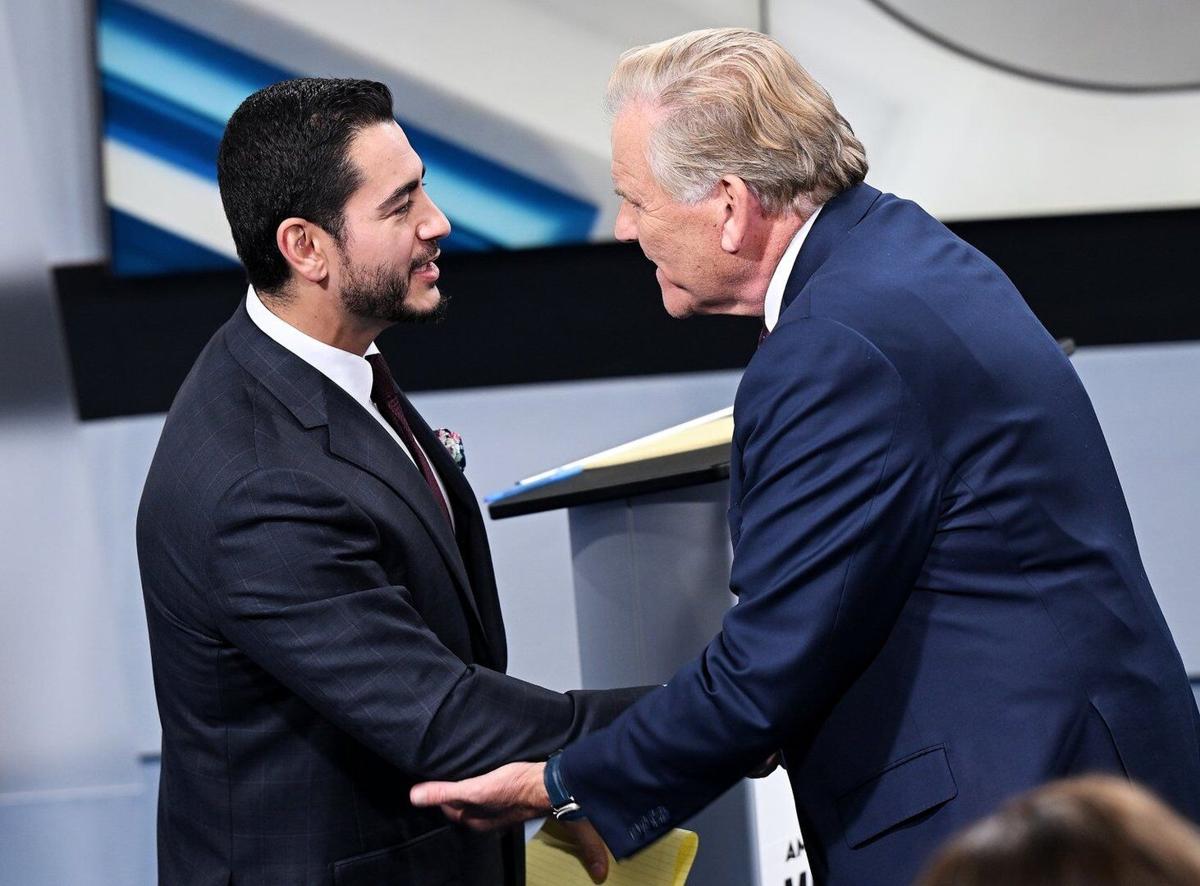
Michigan has become a major battleground in the midterm elections, particularly because of its competitive Senate contest between Republican Mike Rogers and Democrat Abdul El-Sayed.
The outcome of the race could influence the balance of power in the U.S. Senate, making Michigan an important focus for national political organizations.
Both candidates have used advertising to criticize their opponents and communicate their positions on issues including the economy, public health, trade and the cost of living.
Rogers has questioned El-Sayed’s background and previous public comments, while El-Sayed has criticized Rogers over his corporate connections and political record.
The contest has also attracted significant spending from organizations operating independently of the candidates’ campaigns.
According to reporting by The Detroit News, Michigan’s Senate contest had already become the most expensive race in the state’s history by early October.
U.S. Political Advertising Spending Reaches Historic Levels
The advertising surge is not limited to Michigan.
According to advertising intelligence firm AdImpact, political advertising spending for the 2026 midterm elections is projected to reach approximately $11.6 billion, making it the most expensive midterm advertising cycle in U.S. history.
The spending includes advertisements supporting candidates, attacking opponents and encouraging voters to support particular political positions.
Republicans and Democrats are investing heavily in competitive races as both parties seek to strengthen their positions in Congress.
Republicans are particularly focused on defending their Senate majority, while Democrats are campaigning to gain control of both chambers.
However, the effectiveness of the enormous advertising expenditure remains uncertain. The volume of money spent does not automatically translate into votes, particularly when voters have already made up their minds.
Michigan Residents Express Advertising Fatigue
For some residents, the constant political messaging has become an unavoidable part of everyday life.
Love said she encountered repeated campaign advertisements while watching television and browsing social media.
Another Detroit resident, Amelia Cunningham, also described the advertising volume as excessive, saying it had reached a point where watching political commercials had become uncomfortable.
Their comments highlight concerns about the influence of political advertising on public conversations and the difficulty voters face when trying to separate factual information from campaign messaging.
Jerome Watkins, a 67-year-old Detroit resident, said he continued receiving political advertisements even after casting his ballot.
He joked that he had expected the messages to stop once he had voted.
The experiences illustrate how campaign advertising can continue reaching voters through multiple platforms, even after they have participated in early voting.
Economy and Affordability Remain Important Issues
Despite the advertising fatigue, residents interviewed in Detroit said economic concerns remained important considerations in their voting decisions.
Rising fuel prices, household expenses and broader affordability challenges featured prominently in conversations about the election.
Stacy Riley, a 54-year-old nurse practitioner, said public health was an important factor influencing her support for El-Sayed, who previously worked in public health administration and is an epidemiologist.
Other voters expressed concerns about the economy and the cost of gasoline.
The candidates have also addressed the strained relationship between the United States and Canada, particularly following trade tensions under President Donald Trump.
Rogers has attempted to distance himself from Trump’s trade dispute with Canada. In one campaign advertisement, he was shown drinking Labatt’s beer while telling voters that Canada was not America’s enemy.
Election Day Approaches Amid Political Exhaustion
With Election Day approaching on November 3, campaigns and outside organizations are continuing their final advertising efforts.
Michigan voters will decide the state’s open Senate seat, the gubernatorial contest and several competitive House races.
The Senate contest has attracted particular attention because its outcome could affect the balance of power in Congress.
For residents who have spent months receiving political messages, however, the immediate concern is seeing the election season come to an end.
The record advertising expenditure demonstrates the financial scale of modern American election campaigns, while residents’ reactions highlight the challenges of navigating an increasingly crowded political information environment.
As voters prepare to make their decisions, the central question is not simply how much money campaigns have spent, but how effectively their messages have communicated their positions to the electorate.
Swifteradio.com