
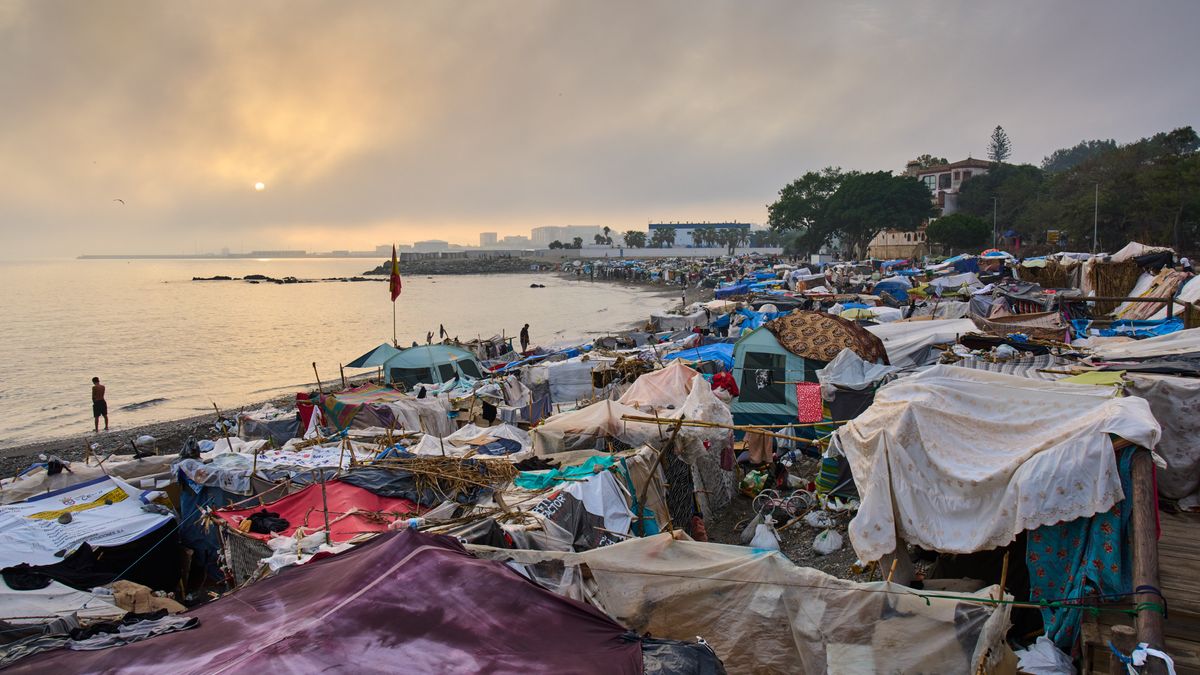
Two months after a major migrant influx triggered a humanitarian crisis in Ceuta, Spain, migrants who sought refuge in the North African enclave continue to face difficult decisions about their futures, including whether to remain in Spain, seek asylum or return to Morocco.
Many migrants arrived hoping for better economic opportunities, while others fled violence, discrimination, threats and persecution. However, the situation has left many struggling to find secure accommodation and protection. The makeshift tent camp where thousands had gathered has since been dismantled, but uncertainty remains for those who stayed there.
Migrants Describe Abuse and Persecution

Interviews with migrants who lived in the camp have highlighted the different reasons people risk dangerous journeys into Spanish territory.
A 27-year-old Moroccan artisan alleged that Spanish soldiers abducted and beat him in September, leaving injuries to his head and body. He said he wanted those responsible to be held accountable.
Spanish prosecutors are investigating allegations of mistreatment of migrants, including minors. Amnesty International also reported allegations of inhumane treatment by Spanish soldiers, raising concerns about the protection of vulnerable people arriving in Ceuta.
Other migrants described fleeing discrimination and threats in Morocco. A 19-year-old transgender man said he left home because of difficulties related to his gender identity. After spending nearly two months at the camp and experiencing rejection from relatives in Ceuta, he returned to Morocco in early October following the camp’s clearance.
A 34-year-old gay Moroccan man also described leaving his hometown after facing threats from a family member. Same-sex sexual activity is criminalised in Morocco, adding to the concerns of people seeking protection because of their sexuality.
Camp Closure Leaves Questions Unanswered
The dismantling of the beachside camp has not resolved the wider humanitarian challenges. Migrants, particularly unaccompanied minors, continue to face uncertainty over shelter, legal protection and their prospects of moving to mainland Spain.
Spanish authorities have faced pressure to improve reception arrangements and ensure that vulnerable migrants receive appropriate assistance. Human rights advocates have also called for allegations of abuse to be investigated thoroughly.
For migrants who fear persecution if they return home, the choices are especially difficult. Remaining in Ceuta without stable accommodation presents its own challenges, while returning to Morocco may expose some to the same threats that prompted their departure.
Calls for Protection and Lasting Solutions
The situation in Ceuta underscores the complex challenges surrounding migration, asylum and border management in Europe.
As authorities work to manage arrivals and provide assistance, migrants continue to weigh their options amid uncertainty. Their experiences highlight the importance of fair asylum procedures, safe accommodation and effective protection for people fleeing violence and discrimination.
Swifteradio.com
