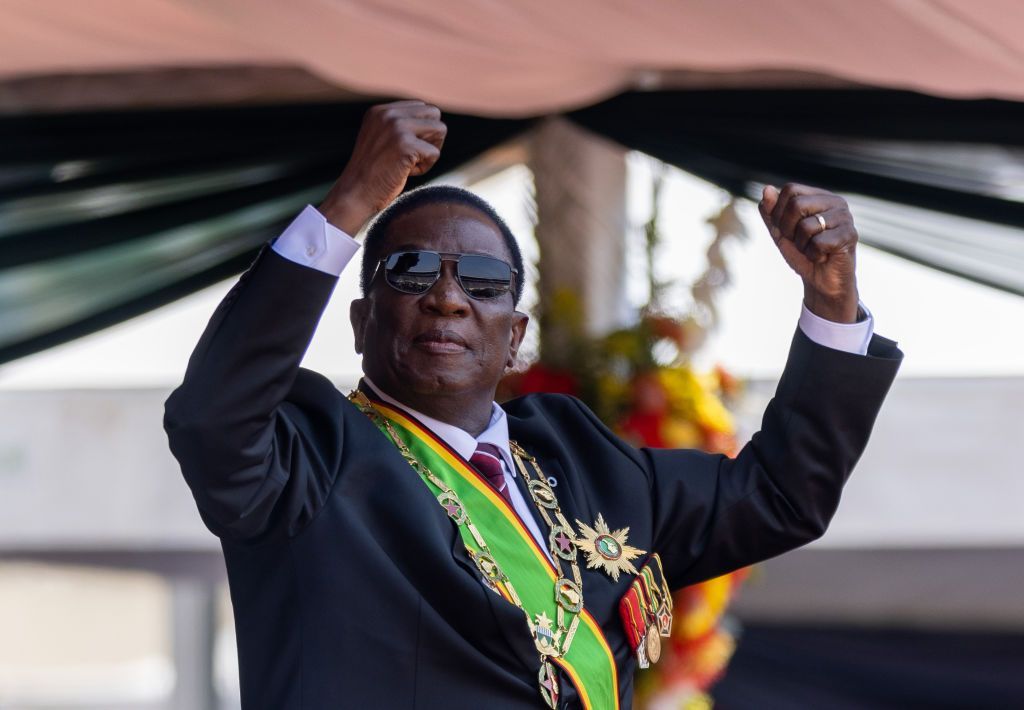
Zimbabwe’s decision to extend the tenure of its president has reignited debate about political succession and democratic governance across Africa, drawing attention to the remarkable staying power of some of the continent’s longest-serving and oldest leaders.
The vote, which paves the way for President Emmerson Mnangagwa to remain in office beyond the timeline originally anticipated by critics and observers, has been hailed by supporters as a move aimed at preserving stability and continuity. Opponents, however, argue that it represents another setback for democratic renewal and generational change.
The development has once again placed Zimbabwe at the centre of discussions surrounding leadership transitions in Africa, where several veteran politicians continue to dominate national politics decades after first rising to power.
Mnangagwa, who assumed the presidency following the resignation of former President Robert Mugabe in 2017, has repeatedly stated his commitment to national development and economic recovery. His allies argue that extending his leadership provides an opportunity to complete ongoing reforms and maintain policy consistency.

Critics, however, contend that prolonged leadership often weakens democratic institutions, limits political competition, and reduces opportunities for younger generations to participate in governance.
The Zimbabwean vote reflects a broader pattern observed across parts of Africa, where aging leaders have remained influential through constitutional amendments, electoral victories, or extended mandates.
Political analysts note that while supporters often associate experienced leadership with stability, opponents increasingly advocate for stronger term limits and leadership renewal as essential components of democratic progress.
The debate over presidential tenure has intensified in recent years as younger populations across the continent demand greater accountability, improved economic opportunities, and more inclusive political systems.
In Zimbabwe, reactions to the vote have been sharply divided.
Government supporters described the decision as a sovereign matter reflecting the will of the country’s institutions and leadership structures. Opposition figures and civil society groups, meanwhile, warned that extending presidential terms could undermine public confidence in democratic processes.
International observers are closely monitoring developments, particularly given Zimbabwe’s history of contested elections and political tensions.
The issue of leadership succession remains one of the defining challenges facing several African nations, balancing the desire for continuity against growing calls for institutional reforms and generational transition.
Experts argue that effective governance depends not only on the age of leaders but also on the strength of democratic institutions, respect for constitutional principles, and the ability to foster inclusive political participation.
As Zimbabwe charts its political future, the latest vote has once again sparked continent-wide conversations about power, democracy, and the evolving expectations of Africa’s increasingly youthful population.
Whether viewed as a symbol of stability or resistance to change, Zimbabwe’s decision underscores a reality that continues to shape African politics: the enduring influence of some of the continent’s most seasoned leaders.
The coming years may determine whether this model persists or gives way to a new era defined by leadership renewal and institutional transformation.
Swifteradio.com
