
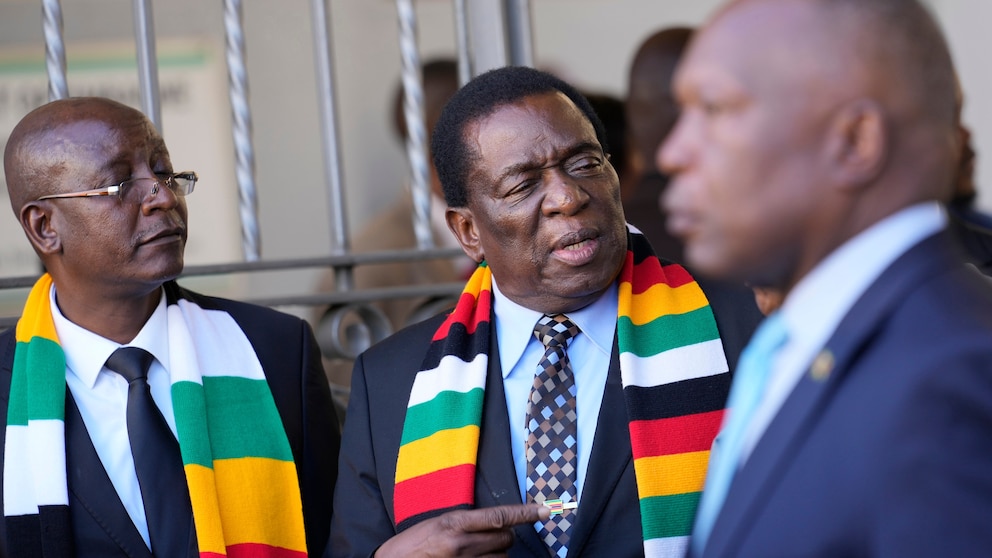
Zimbabwe’s Senate has approved a controversial bill that would delay the country’s next presidential election while introducing significant changes to the nation’s electoral framework, a move that has sparked intense political debate and drawn attention from observers both within and outside the country.
The legislation is designed to overhaul aspects of Zimbabwe’s voting system and election administration, with supporters arguing that the reforms are necessary to improve governance, strengthen institutions, and ensure a more effective electoral process.
Under the proposed changes, the presidential election would be postponed beyond its originally anticipated timeline, allowing authorities additional time to implement the new electoral arrangements.
Government supporters contend that the reforms are intended to modernize the country’s political system and enhance administrative efficiency.

Proponents of the bill argue that extending the electoral timetable will provide sufficient opportunity to introduce structural changes that could improve the conduct of future elections.
However, the legislation has generated strong criticism from opposition groups and civil society organizations, many of whom have expressed concern about the implications of delaying a national vote.
Critics argue that altering election schedules could undermine democratic principles and raise questions about political accountability.
Some opposition figures have accused the government of attempting to extend its hold on power, while demanding that elections be conducted according to established constitutional timelines.
The bill’s approval by the Senate marks a significant step forward for the proposed reforms, although additional legal and constitutional procedures may still be required before the measures can take effect.
Political analysts say the development is likely to intensify debate over Zimbabwe’s democratic future and the balance between institutional reform and electoral integrity.
The proposal arrives at a time when Zimbabwe continues to face economic challenges, political tensions, and public discussions about governance and national development.
International observers are also monitoring the situation closely, given the importance of credible electoral processes in maintaining political stability and investor confidence.
Supporters of the reforms maintain that the changes are being pursued in the country’s long-term interest and are necessary to improve the quality of governance.
Meanwhile, opponents insist that any significant modifications to the electoral system should be implemented through broad consultation and consensus among political stakeholders.
The issue has quickly become one of the most significant political developments in Zimbabwe, with lawmakers, civil society groups, and citizens closely examining the potential consequences of the proposed changes.
As discussions continue, attention will focus on whether the reforms gain broader political support or face further resistance from opposition parties and advocacy organizations.
The Senate’s decision underscores the ongoing struggle over the direction of Zimbabwe’s democratic institutions and the future structure of its electoral system.
With the legislation now advancing through the political process, the coming months are expected to play a crucial role in determining how Zimbabwe balances electoral reform with democratic expectations.
Swifteradio.com
