
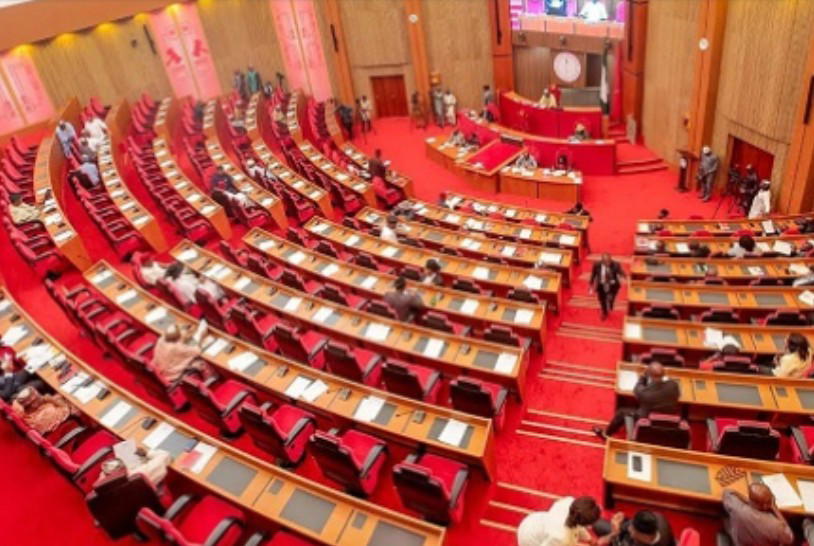
Nigeria has taken a significant step toward overhauling its security architecture after the Senate passed a bill that would permit the creation of state police forces, a long-debated proposal aimed at strengthening efforts to combat insecurity across the country.
The development marks a major milestone in ongoing discussions about how best to address rising security challenges, including banditry, kidnapping, terrorism, communal violence, and other criminal activities affecting different parts of Nigeria.
Supporters of the legislation argue that establishing state-controlled police services will improve local security responses by allowing law enforcement agencies to better understand and respond to challenges within their respective states.
Proponents believe that decentralized policing could enhance intelligence gathering, improve community engagement, and enable faster responses to security threats.

The bill’s passage in the Senate follows years of debate among policymakers, security experts, traditional leaders, and civil society groups over the effectiveness of Nigeria’s centralized policing structure.
Many state governors and regional organizations have consistently advocated for state police, arguing that local authorities are often better positioned to address security concerns unique to their communities.
Supporters maintain that the growing complexity of security threats across Nigeria requires innovative approaches that complement federal security agencies.
According to lawmakers backing the proposal, state police could serve as an important tool in strengthening public safety and supporting existing law enforcement efforts.
However, the proposal has also generated concerns among critics who fear that state-controlled police forces could be misused by political leaders or become vulnerable to local political interference.
Opponents have called for strong constitutional safeguards, oversight mechanisms, and accountability measures to prevent potential abuses of power.
Security analysts note that if implemented effectively, state police could help bridge existing gaps in security coverage while improving coordination between federal and local authorities.
The passage of the bill by the Senate represents only one stage of the legislative process, as additional constitutional procedures and approvals may still be required before state police can become operational.
The issue remains one of the most consequential governance and security reforms currently being discussed in Nigeria.
The move comes at a time when many communities continue to demand stronger protection against criminal activities that have disrupted economic activities, displaced residents, and affected public confidence in security institutions.
Stakeholders across the country are expected to closely monitor the next stages of the process as lawmakers work to determine the framework, responsibilities, funding mechanisms, and oversight structures for any future state police system.
For many Nigerians, the Senate’s decision signals a willingness by policymakers to explore new approaches to tackling insecurity and strengthening public safety.
Whether the reform ultimately delivers the desired results will depend largely on implementation, accountability, and cooperation between federal and state authorities.
As the debate continues, the passage of the bill has undoubtedly reignited national discussions about security, governance, and the future of policing in Africa’s most populous nation.
Swifteradio.com
