
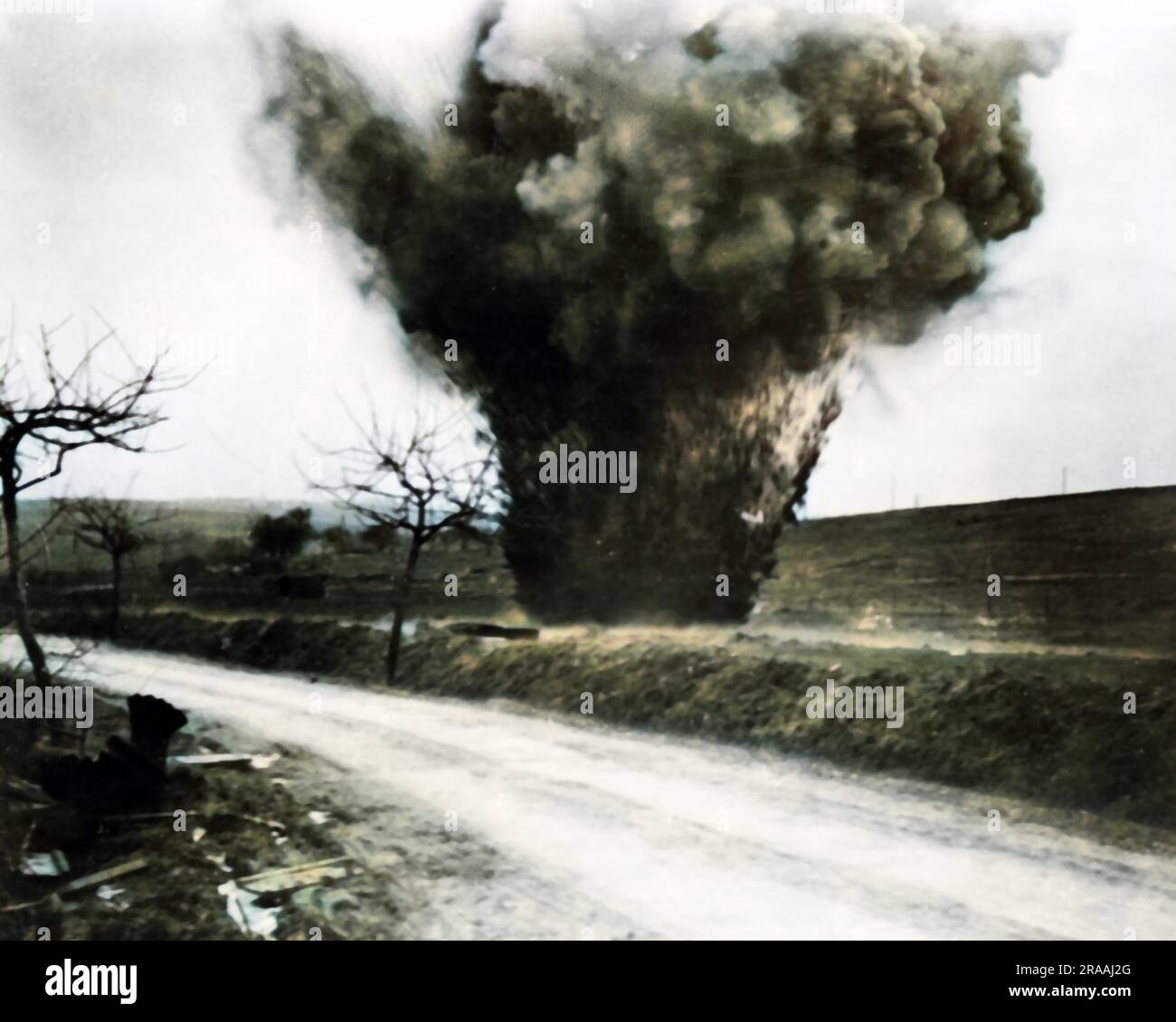
Wildfires sweeping across parts of Europe are exposing a dangerous legacy of World War I and World War II, with buried bombs, mines and other unexploded weapons being uncovered or detonated as intense heat and flames disturb the ground.
Authorities and emergency responders in affected areas have reported encounters with wartime ordnance buried for decades. Some weapons remain capable of exploding, creating additional dangers for firefighters, residents and people returning to areas damaged by wildfires.
The problem is particularly significant in regions that witnessed major fighting during the two world wars. Large quantities of ammunition and explosive devices were abandoned, buried or never detonated when conflicts ended.
Extreme wildfire conditions can disturb the soil and vegetation covering these weapons. Fire and heat may also damage protective layers surrounding unexploded ordnance, increasing the possibility of explosions.

Experts warn that the danger does not necessarily disappear once a wildfire is extinguished. Firefighters, construction crews and residents may encounter unexploded bombs and mines while clearing damaged land or removing debris.
Authorities typically advise the public not to approach, touch or move suspected wartime explosives. Specialist bomb-disposal teams may be required to inspect and safely remove or destroy the devices.
The phenomenon highlights a lesser-known consequence of Europe’s increasingly severe wildfire seasons: extreme weather and environmental disasters can expose hazards left behind by conflicts that ended generations ago.
As wildfires become more frequent and intense in some parts of Europe, emergency officials face the added challenge of dealing with both immediate fire threats and the hidden remnants of the continent’s wartime past.
swifteradio.com/update/