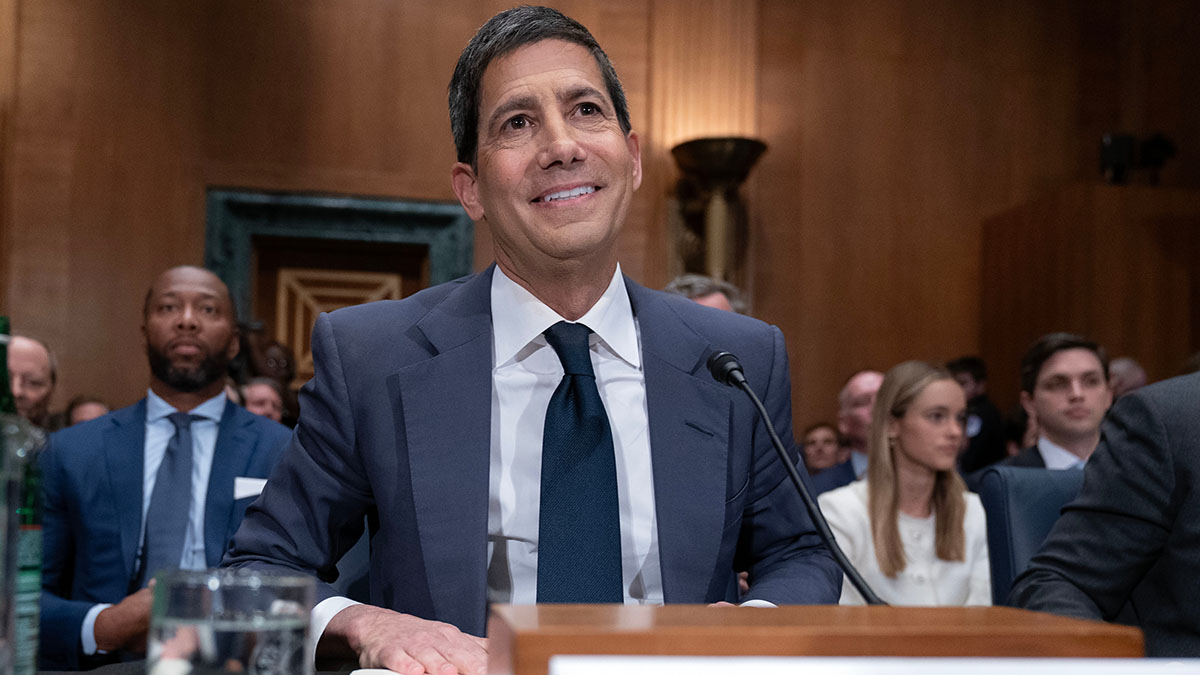
The U.S. Senate has confirmed Kevin Warsh as the next chairman of the Federal Reserve, succeeding Jerome Powell in one of the most closely watched economic appointments in the country.
The confirmation marks a significant moment for U.S. economic policy as investors, financial institutions, and global markets closely monitor the direction of interest rates, inflation management, and monetary policy under the new leadership.
Kevin Warsh, who previously served as a Federal Reserve governor during the global financial crisis, has long been viewed as an influential figure in American economic and banking circles.
President Donald Trump praised the confirmation, describing Warsh as experienced and capable of guiding the U.S. economy through ongoing financial and geopolitical challenges.

The appointment comes at a critical time for the United States economy as policymakers continue addressing inflation concerns, interest rate pressures, labor market conditions, and global economic uncertainty linked to international conflicts and trade tensions.
Financial analysts say markets will closely examine whether Warsh adopts policies similar to those of Jerome Powell or pursues a different approach regarding inflation control and economic growth.
During confirmation hearings, lawmakers questioned Warsh on issues including interest rates, banking regulation, economic stability, employment growth, and the independence of the Federal Reserve from political influence.
Supporters argue that his previous experience during periods of economic turbulence makes him well-positioned to lead the central bank during uncertain global conditions.
Critics, however, expressed concerns about potential political pressure on the Federal Reserve and how future policy decisions could affect borrowing costs, consumer spending, and financial markets.
The Federal Reserve plays a major role in shaping the American economy through decisions involving interest rates, money supply, and banking oversight, making the position of chairman one of the most influential economic roles in the world.
Global investors are expected to monitor Warsh’s early policy signals closely, especially regarding inflation trends and future interest rate adjustments.
Economic experts believe his leadership could significantly influence market confidence, economic growth strategies, and the broader financial outlook for the United States in the coming years.
Swifteradio.com
