
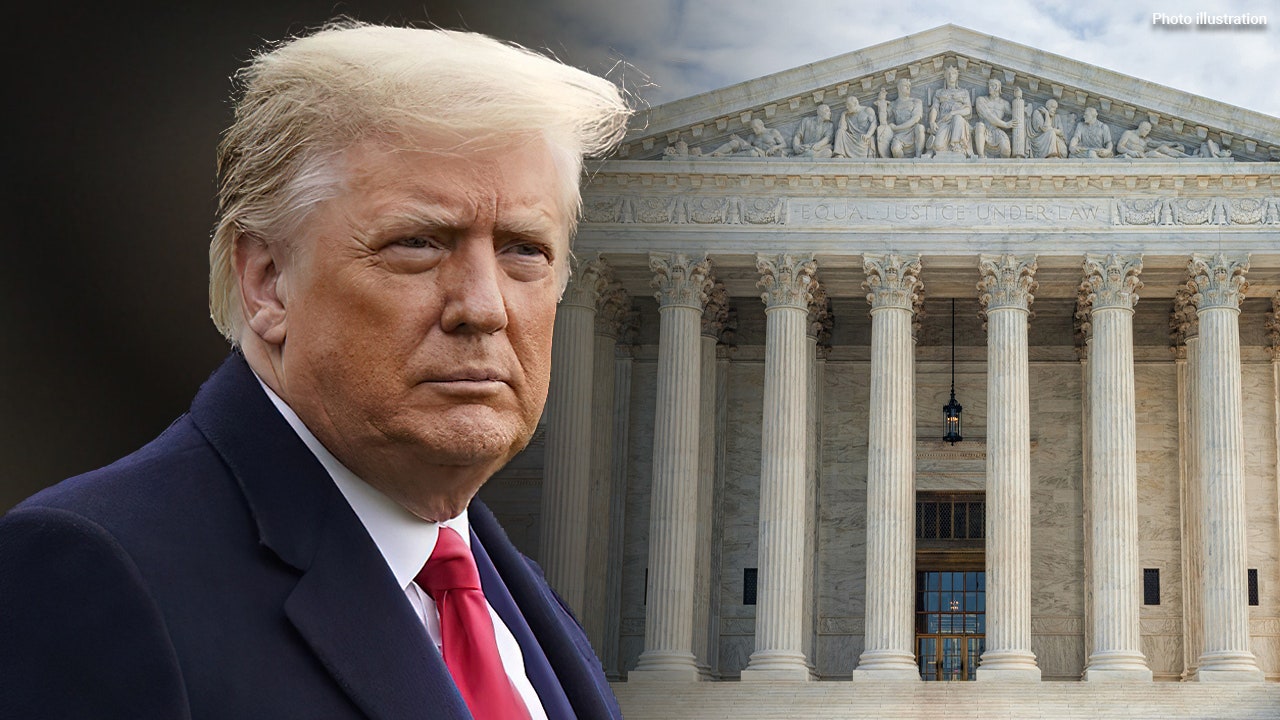
The U.S. Supreme Court has cleared the way for President Donald Trump’s administration to move forward with an executive order seeking to restrict mail-in voting ahead of November’s midterm elections, although further legal challenges could still delay or limit its implementation.
Trump signed the executive order in March, directing the federal government to create a state citizenship list and instructing the U.S. Postal Service to deliver mail-in ballots only to voters who meet the administration’s verification requirements. The order also calls for changes to ballot envelopes and tracking procedures.
The Supreme Court’s decision removes one major legal obstacle to the administration’s plans, but it does not resolve the broader constitutional questions surrounding the order. Other court proceedings remain active, meaning the rules could still face additional restrictions or challenges before the election.
The timing has become a major concern for election officials. Some states are expected to begin sending mail ballots to voters within weeks, leaving limited time to make significant changes to election procedures and ballot distribution systems.

Democratic officials from 23 states and the District of Columbia have challenged Trump’s order, arguing that the federal government is overstepping its authority and interfering with powers traditionally exercised by states and Congress in administering elections.
Supporters of the administration’s policy argue that the measures are intended to strengthen election security and voter verification. Critics, however, warn that changing mail-ballot procedures so close to an election could create confusion, disrupt election administration and potentially prevent eligible voters from casting ballots.
The controversy comes as control of Congress is at stake in the 2026 midterm elections, adding political significance to the ongoing legal battle over how Americans vote by mail.
For now, the Supreme Court ruling gives Trump’s administration greater room to pursue the proposed changes, but the legal fight is far from over. Further rulings could determine how much of the executive order ultimately takes effect before voters head to the polls.
swifteradio.com/update/