
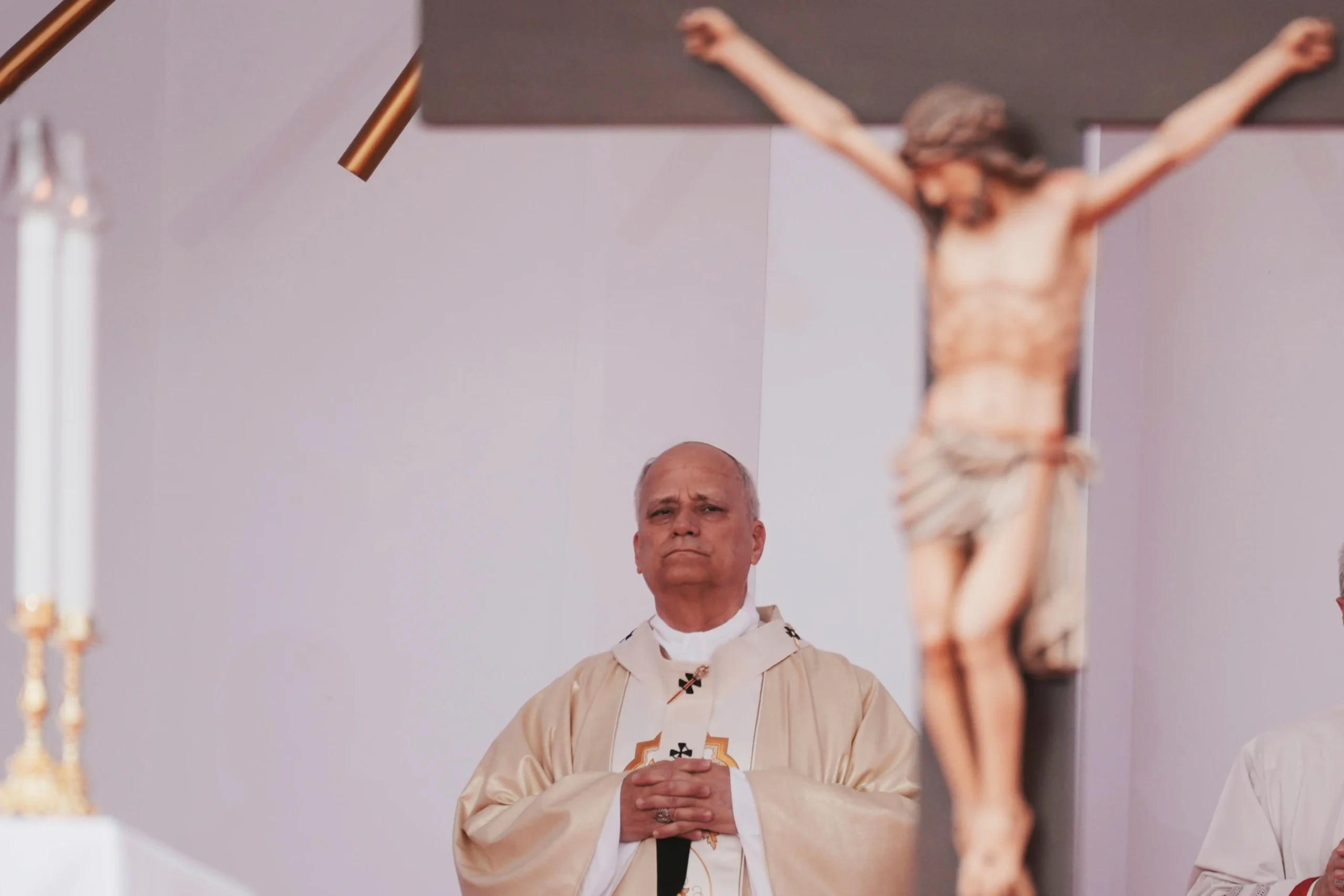
Pope Leo XIV visited a historic Catholic shrine in Angola on Sunday, reflecting on centuries of suffering tied to the trans-Atlantic slave trade while urging a future rooted in justice and peace.
During his stop at the Sanctuary of Mama Muxima, the pope prayed the Rosary and acknowledged the deep historical pain associated with the site, which once served as a key hub in the slave trade during Portuguese colonial rule.
Located near the Kwanza River, the Church of Our Lady of Muxima was originally built in the late 16th century as part of a fortress complex. It later became a gathering point where enslaved Africans were baptized before being forced on a long journey to Luanda and shipped to the Americas.
Addressing thousands of worshippers, Pope Leo XIV spoke of the “sorrow and great suffering” endured by generations of Angolans, while calling for the creation of “a better, more welcoming world” free from war, injustice, and poverty.

The visit highlights ongoing discussions about the Catholic Church’s historical role in slavery. Scholars note that directives issued by the Vatican in the 15th century gave colonial powers authority to enslave non-Christians, forming the basis of what later became known as the Doctrine of Discovery.
Although the Vatican formally repudiated the doctrine in 2023, critics argue it has not fully addressed or rescinded earlier decrees that enabled colonization and slavery.
Experts, including Anthea Butler of Oxford University, say the pope’s visit represents a moment of reflection and potential healing, particularly for Black Catholics whose faith history is closely tied to the legacy of slavery.
The visit also carries personal significance for the pope. Genealogical research presented by Henry Louis Gates Jr. indicates that Pope Leo XIV’s ancestry includes both enslaved افراد and slaveholders, underscoring the complex legacy he now leads the Church in confronting.
While the pope did not directly address the Church’s institutional role in slavery during his remarks, his presence at Muxima signals a continued effort to engage with difficult historical truths as part of his broader mission across Africa.
