
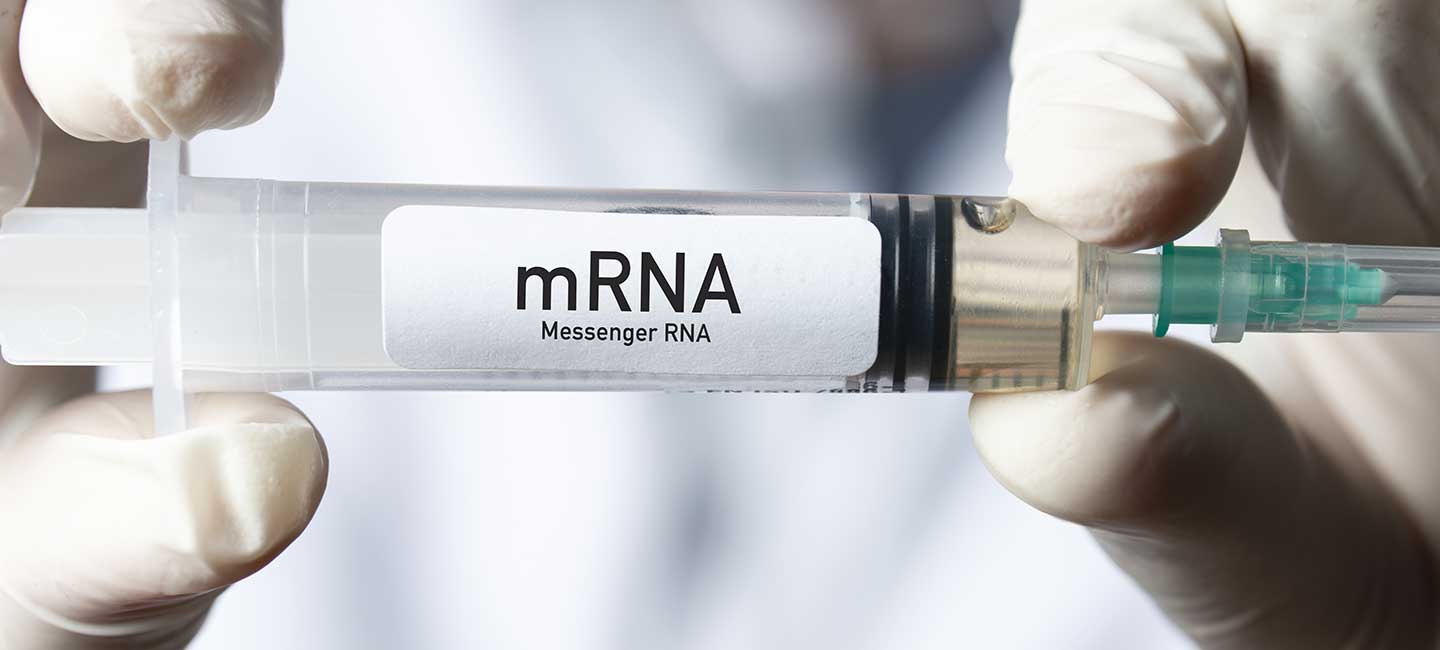
A groundbreaking personalized mRNA vaccine for pancreatic cancer is showing encouraging long-term results, with most patients who responded to the treatment still alive six years after receiving it, according to early clinical trial data.
The experimental therapy, developed by researchers at Memorial Sloan Kettering Cancer Center, uses messenger RNA technology to train the body’s immune system to identify and destroy cancer cells. While scientists stress that further research is needed, the findings mark a significant step forward in the fight against one of the deadliest forms of cancer.
Pancreatic cancer remains notoriously difficult to treat, with survival rates below 13% beyond five years and limited treatment options. Symptoms often appear late, and only a small percentage of patients are eligible for surgery, a prerequisite for participation in current vaccine trials.
The Phase 1 trial, led by Dr. Vinod Balachandran, involved 16 patients with early-stage pancreatic cancer. After surgical tumor removal, participants received a personalized mRNA vaccine created using genetic material from their tumors, followed by standard chemotherapy.

Six years later, seven of the eight patients who mounted an immune response to the vaccine remain alive. By comparison, only two of the eight patients who did not respond to the treatment survived. The results suggest that generating a strong immune response could significantly improve survival outcomes.
The vaccine works by stimulating the production of T cells, a type of immune cell that targets and kills cancer cells. Researchers found that both “killer” T cells and “helper” T cells played a crucial role in sustaining long-term immunity, potentially preventing cancer recurrence.
Independent experts, including Dr. William Freed-Pastor, have described the findings as promising but caution that the study’s small sample size means conclusions are still preliminary.
The updated results are set to be presented at the American Association for Cancer Research Annual Meeting, where researchers will share insights from the six-year follow-up.
The success of this early trial has already led to the launch of a larger Phase 2 study aimed at confirming the vaccine’s effectiveness across a broader group of patients.
Scientists say the research could reshape how immunotherapy is used against pancreatic cancer. Earlier attempts focused on advanced-stage patients with limited success, but this study suggests that introducing the vaccine earlier in the disease may yield better outcomes.
Other research teams are also exploring alternative vaccine approaches, including targeting the KRAS protein, found in up to 90% of pancreatic cancer cases, offering hope for additional treatment options in the future.
Despite the optimism, experts emphasize that more extensive trials are essential before the vaccine can become widely available. Still, the findings represent a meaningful breakthrough in a field where progress has historically been slow.
