
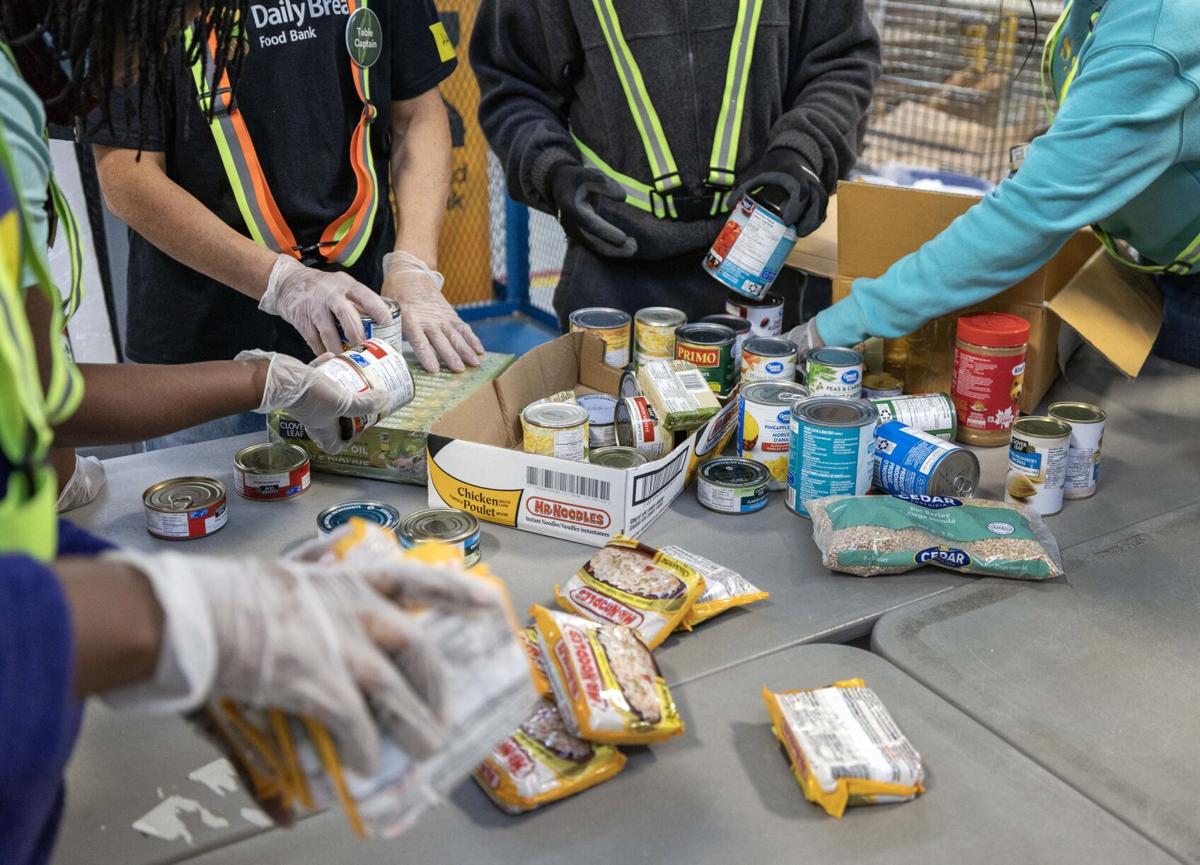
For the first time in history, more than one million people in Ontario have turned to food banks within a single year, highlighting an alarming trend that has persisted beyond the pandemic. According to a new report from Feed Ontario, a staggering 1,001,150 people visited food banks between April 1, 2023, and March 31, 2024, marking a 25% increase from the previous year.
Feed Ontario, a network of 1,200 food banks and organizations combating food insecurity, reported that these visitors made a total of 7.6 million visits to food banks over the year. This marks the eighth consecutive year of rising food bank usage in the province. Carolyn Stewart, CEO of Feed Ontario, expressed her concern, stating, “I never thought I would see this day… we continue to try and call people to action, and the problem continues to get worse.”
Despite the Bank of Canada’s recent rate cuts and easing inflation, the number of Ontarians struggling to make ends meet continues to rise. Rent and mortgage costs remain high, putting further strain on residents’ finances, even as wages in many sectors remain stagnant. Shelter costs have become a significant factor driving food bank reliance across the province.
The report also reveals that one in three food bank visitors are children, and half of all adult visitors are on social assistance, while one in six are employed. These figures underscore the growing reliance on food banks across various demographics, including international students and pet owners.

“This is not sustainable,” said Stewart, noting that food banks are being pushed to their limits. “We’re there for emergency food provisions when people are in need, but we’re not a solution to food insecurity.”
Stewart urged the Ontario government to take immediate action to address the root causes of food insecurity. She emphasized that social assistance rates need to be increased, and broader social policies must be implemented to tackle the problem. “We can’t feed our way out of this problem,” Stewart said. “It has to be a collaborative effort between the public, social services, the government of Ontario, the Canadian government, and charitable organizations.”
For those looking to help, Stewart recommends starting with education and advocacy. She encourages individuals to reach out to local representatives and push for meaningful policy changes that can address the systemic issues contributing to food insecurity.
Source: Feed Ontario report