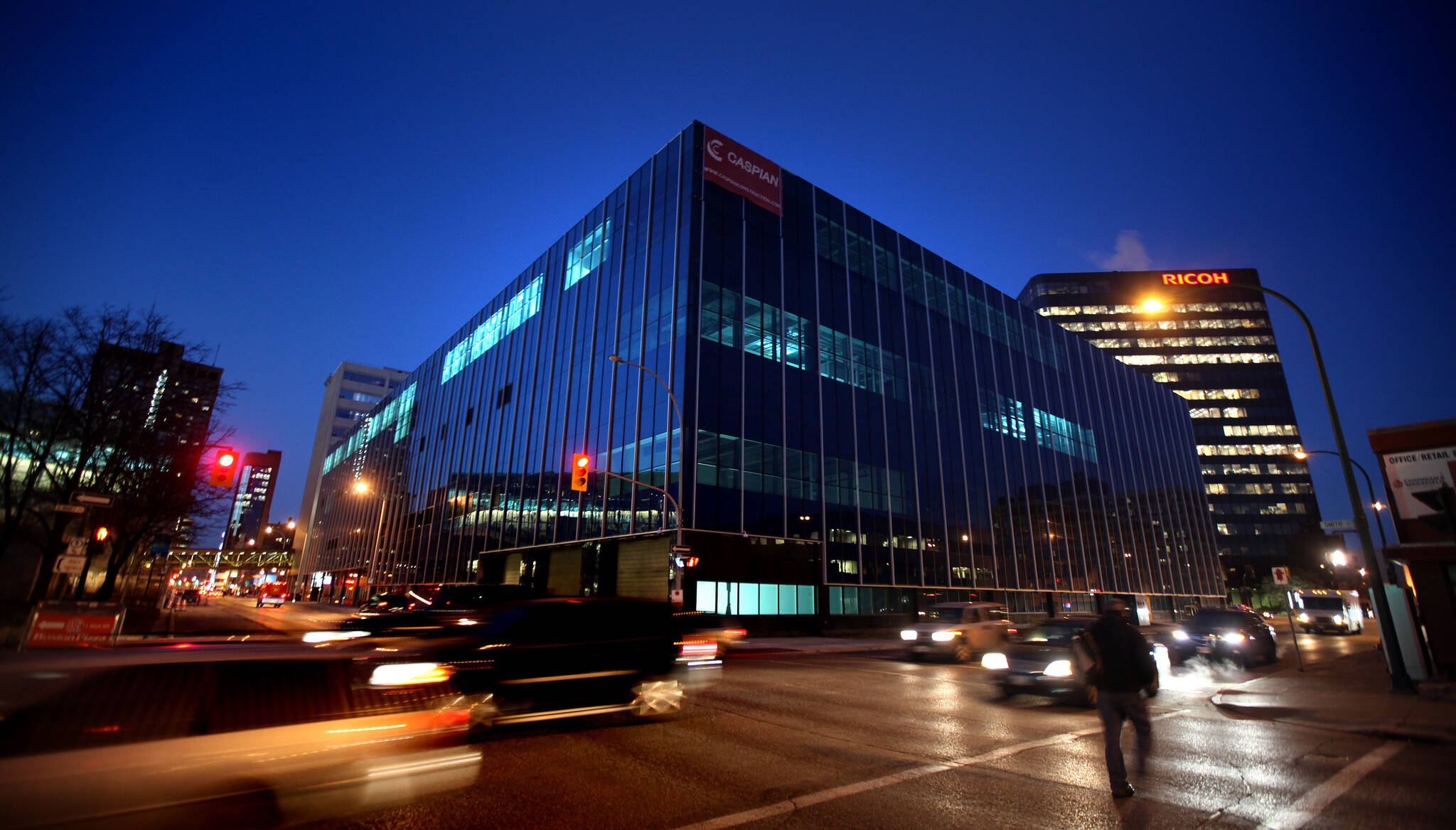
Manitoba prosecutors are once again reviewing whether criminal charges should be pursued in connection with the controversial construction of the Winnipeg Police Service (WPS) headquarters, a project that has faced years of scrutiny over alleged misconduct, financial irregularities and significant cost overruns.
The renewed attention comes as a public inquiry into the project prepares to release its findings, potentially shedding further light on how the development was managed and how millions of dollars in public funds were spent.
The headquarters project, which involved converting a former Canada Post building in downtown Winnipeg into a police facility, was initially expected to cost approximately $135 million. By the time construction was completed in 2016, the total cost had risen to about $214 million, exceeding the original budget by roughly $79 million.

Long-Running Investigation Into the Police Headquarters Project
The Winnipeg Police headquarters project has been the subject of investigations, legal disputes and public criticism for several years.
The Royal Canadian Mounted Police (RCMP) conducted an extensive investigation into allegations of fraud and forgery connected to the construction contract. However, prosecutors decided in 2019 that criminal charges should not be laid, citing insufficient grounds to establish a reasonable likelihood of conviction.
A subsequent independent review reached the same conclusion in February 2025. Manitoba prosecutors explained that criminal proceedings require proof of criminal intent beyond a reasonable doubt, a substantially higher standard than the balance of probabilities used in civil cases.
The latest review would therefore come against the background of previous prosecutorial decisions and continuing public concern about accountability for the project.
Public Inquiry Examines Financial Mismanagement
The Manitoba government launched a public inquiry in February 2025 to investigate the circumstances surrounding the headquarters project and recommend measures to prevent similar problems in future publicly funded construction projects.
The inquiry, led by commissioner Garth Smorang, examined decisions involving the purchase and renovation of the former Canada Post building, as well as the city’s project-management practices and the conduct of officials involved.
Premier Wab Kinew said the inquiry’s findings indicated that Winnipeg had overpaid by approximately $43.3 million. He also referred to findings involving fabricated invoices and misappropriated funds. The final report is expected to provide further details and recommendations.
The inquiry’s work has renewed public interest in whether the evidence surrounding the project could lead to further legal action.
Former City Official’s Civil Case Adds to Scrutiny
The scandal has also involved civil litigation concerning former Winnipeg chief administrative officer Phil Sheegl.
A civil court found that Sheegl had accepted a $327,000 bribe from a contractor involved in the headquarters project and ordered him to compensate the city. Sheegl denied that the payment was a bribe and maintained that it related to an unrelated real estate transaction.
The civil findings intensified calls for accountability, although prosecutors have emphasized that civil liability does not automatically establish that criminal charges can be proven beyond a reasonable doubt.
The distinction remains central to the debate over whether additional criminal proceedings are legally justified.
Taxpayer Accountability Remains a Major Concern
The headquarters controversy has raised broader questions about transparency, procurement procedures and oversight of major public construction projects in Winnipeg.
The substantial cost increase has prompted demands for stronger safeguards to ensure that public money is spent responsibly and that officials are held accountable when serious misconduct is established.
As attention returns to the possibility of criminal charges, residents will be watching for clear explanations of any new prosecutorial decisions and the recommendations emerging from the public inquiry.
Any decision to lay charges would depend on the available evidence and whether prosecutors determine that the legal threshold for a criminal case has been met.
Swifteradio.com