
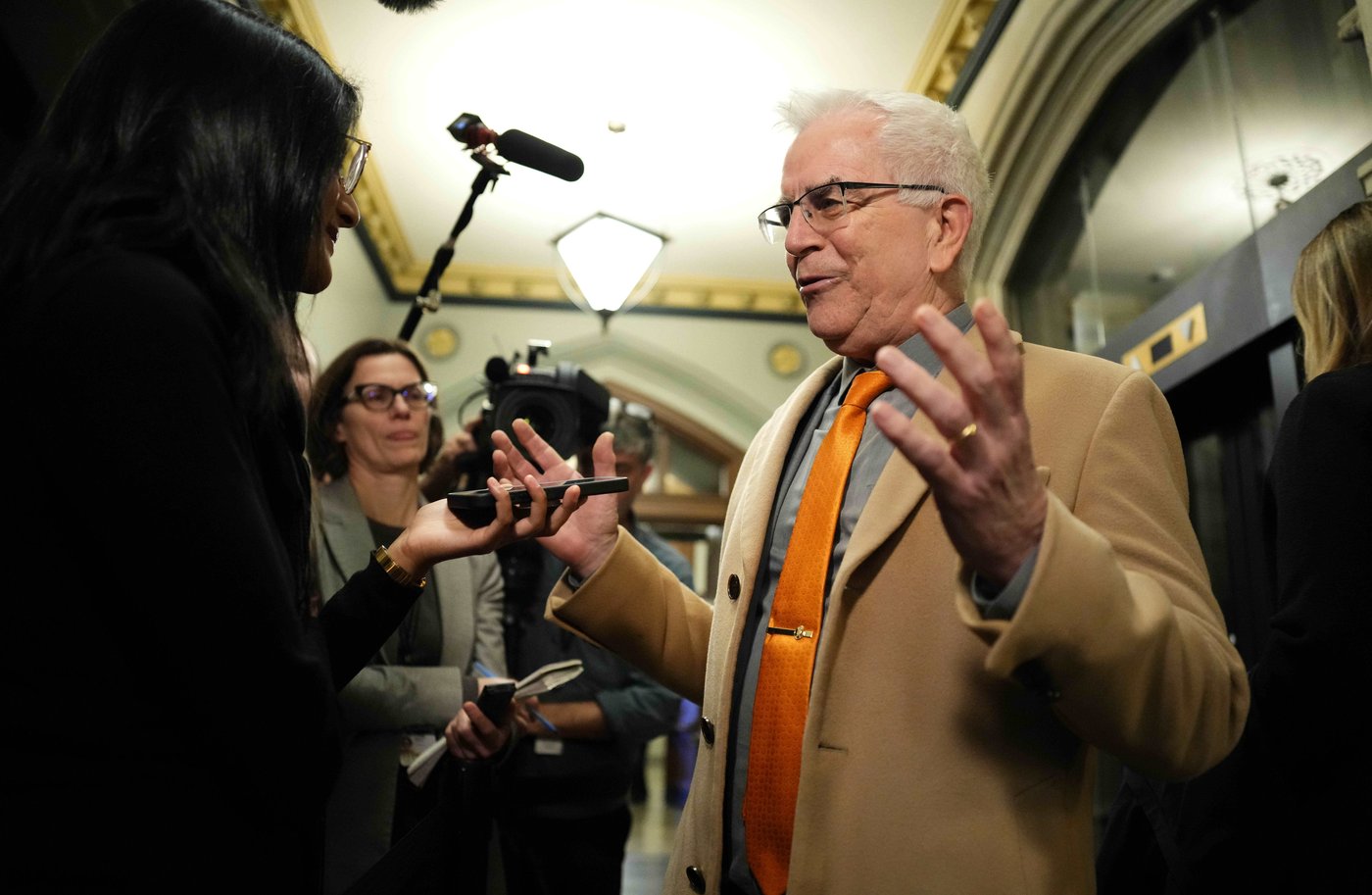
A Liberal member of Parliament who previously chaired a parliamentary committee examining Canada’s medical assistance in dying (MAID) system is calling for separate votes on two controversial changes to the country’s assisted-dying legislation.
Marcus Powlowski says he agrees with Conservative MPs who want the federal government to divide its proposed legislation so parliamentarians can vote independently on excluding people with mental illness as their sole underlying condition and allowing advance requests for medical assistance in dying for people with certain degenerative diseases.
The debate centres on Bill C-41, introduced by the Liberal government in October 2026. The proposed legislation would maintain the exclusion of people whose only qualifying medical condition is a mental illness while creating a framework for eligible individuals to make advance requests for MAID before losing the capacity to provide consent.

Powlowski, who chaired the Special Joint Committee on Medical Assistance in Dying, said he would have preferred the two issues to be considered separately because members of Parliament may have different positions on each proposal.
He noted that some Conservative MPs supported the bill at second reading despite having reservations about advance requests, while others were primarily concerned about preventing the planned expansion of MAID eligibility to people with mental illness.
Conservatives Push for Separate Votes
The call for separate votes has gained support among Conservative lawmakers, who argue that combining the two proposals makes it difficult for MPs to express their positions independently.
Nearly 40 Conservative MPs voted in favour of sending Bill C-41 to the House of Commons justice and human rights committee for further examination. The legislation passed its second-reading vote by 225 votes to 89.
However, some Conservative MPs have maintained that the government should separate the proposals to allow more detailed consideration of advance requests, including the safeguards that would govern their implementation.
Conservative MP Ben Lobb, who supported the bill at second reading, said he wants greater clarity about advance requests and stronger protections for people living with mental illnesses.
Another Conservative MP, Corey Tochor, said preventing MAID eligibility from expanding to people whose sole underlying condition is a mental illness was an important consideration behind his support for the legislation.
Government Faces Pressure Over Legislative Timeline
The Liberal government has so far resisted calls to divide the legislation. Justice Minister Sean Fraser has argued that the proposals need to move forward together, pointing to the approaching legal deadline for changes to Canada’s MAID eligibility rules.
Under the existing legislation, MAID eligibility for individuals whose sole underlying medical condition is a mental illness is scheduled to take effect on March 17, 2027.
The government wants Bill C-41 to pass through the House of Commons and the Senate before that date to maintain the exclusion and avoid the scheduled expansion.
The bill also proposes allowing advance requests for people diagnosed with certain degenerative conditions, including illnesses that could eventually leave them unable to communicate or provide consent.
Under the proposed framework, individuals would be able to make an advance request while they still have the capacity to make decisions about their medical care. The legislation includes safeguards, including independent medical assessments and provisions addressing situations where a person demonstrates refusal or resistance to having MAID administered.
Debate Over Canada’s Assisted-Dying Policy Continues
The disagreement reflects wider concerns about balancing individual autonomy, patient protection and the responsibilities of healthcare professionals.
Supporters of advance requests argue that people with progressive conditions should have the opportunity to document their wishes before losing decision-making capacity. Critics, however, have raised questions about consent, changing preferences and how healthcare providers would determine whether an advance request should be carried out.
Meanwhile, the proposed exclusion for mental illness as the sole underlying condition follows a parliamentary committee recommendation that the planned expansion should not proceed.
With Bill C-41 now heading to committee for further examination, lawmakers are expected to face continued pressure to consider the two proposals separately and ensure that adequate safeguards are included.
The outcome will help determine the future direction of Canada’s medical assistance in dying framework as the March 2027 deadline approaches.
Swifteradio.com