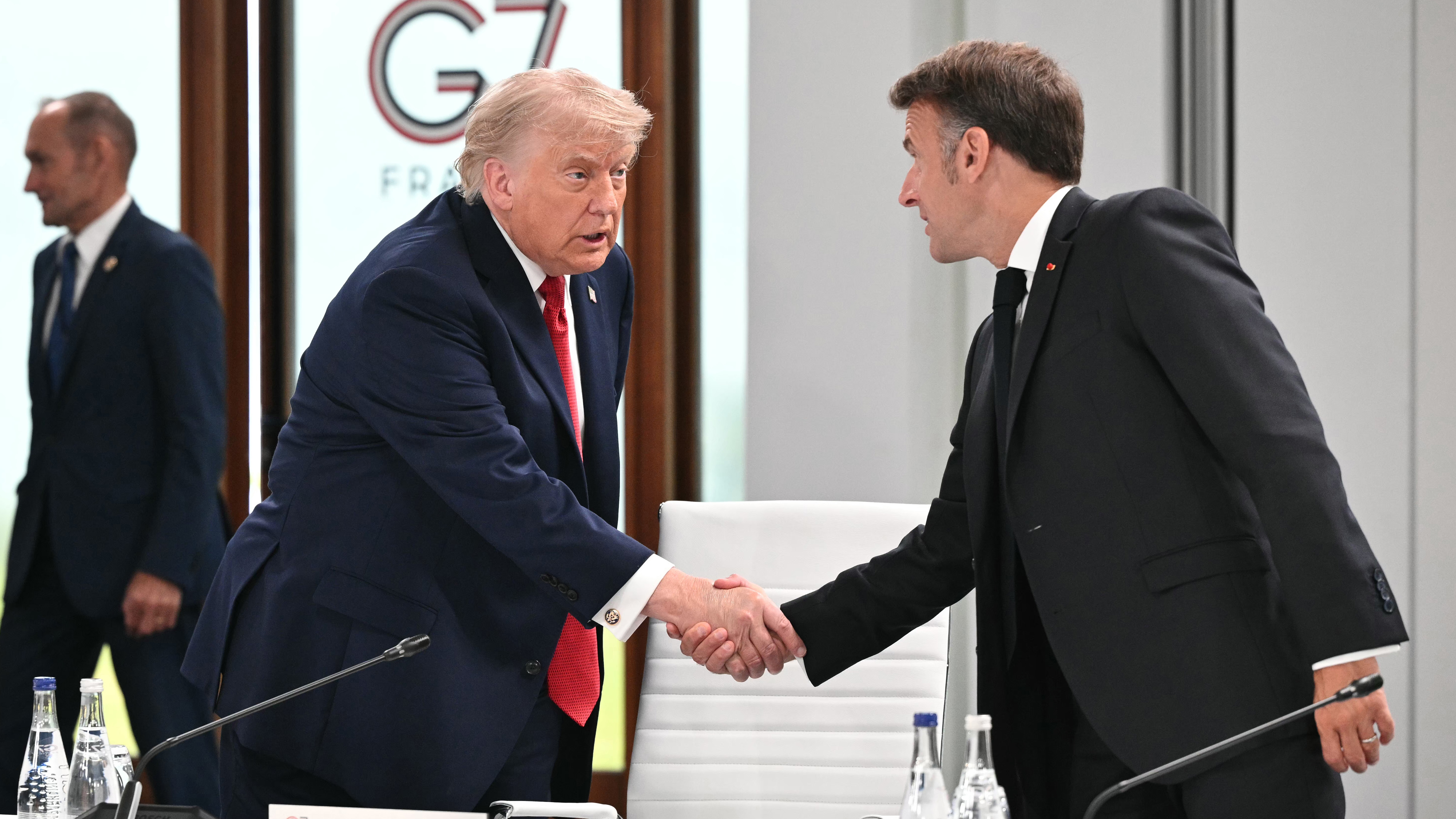
ÉVIAN-LES-BAINS, FRANCE – Leaders of the Group of Seven (G7) nations have thrown their support behind U.S. President Donald Trump’s proposed plan to end the war with Iran, describing it as a significant diplomatic opportunity to restore stability in the Middle East. However, the initiative continues to face mounting skepticism within the United States, where lawmakers and critics are demanding greater clarity on the agreement’s details.
Meeting at the G7 summit in France, leaders from the United States, Canada, the United Kingdom, France, Germany, Italy, and Japan endorsed the tentative framework aimed at ending hostilities and preventing Iran from developing nuclear weapons.
In a joint statement, the G7 leaders described the proposal as a “historic opportunity” to reduce regional tensions and pledged their support in helping to implement the agreement if negotiations proceed as planned. The leaders also reaffirmed their commitment to maintaining international security and safeguarding global energy supplies.
Trump has promoted the emerging deal as one of the most significant foreign policy achievements of his administration, insisting that it would guarantee that Iran never acquires a nuclear weapon while reopening the strategically vital Strait of Hormuz, through which nearly one-fifth of the world’s oil supplies pass.

“It won’t have a nuclear weapon to buy, to develop—it will not have a nuclear weapon,” Trump told reporters at the summit, expressing confidence in the agreement despite growing scrutiny over its implementation.
While international allies have largely welcomed the diplomatic progress, Trump’s proposal has encountered resistance at home.
Several members of his own Republican Party have expressed reservations, arguing that the White House has yet to release the full text of the agreement or adequately explain how Iran’s nuclear ambitions would be permanently constrained.
Some lawmakers have warned that easing sanctions without stronger guarantees could resemble previous agreements that critics viewed as insufficiently strict. Others have insisted that Congress should thoroughly review the deal before offering support.
Adding to the uncertainty, conflicting interpretations of the agreement have emerged from Washington and Tehran. Iranian officials have suggested that broader regional issues, including Israel’s military presence in southern Lebanon, remain unresolved and could affect the deal’s future.
Despite these challenges, G7 leaders appeared eager to capitalize on the momentum created by the tentative breakthrough, particularly given concerns over global economic instability fueled by rising energy prices and prolonged geopolitical conflict.
The proposed agreement is expected to initiate a 60-day negotiation period focused on Iran’s nuclear activities, sanctions relief, and regional security arrangements.
Analysts note that the G7’s endorsement provides Trump with valuable international backing as he attempts to convince a divided domestic audience that the agreement represents a meaningful step toward peace rather than a diplomatic compromise.
For global markets, the prospect of reopening the Strait of Hormuz has already generated cautious optimism, easing fears of prolonged disruptions to international oil supplies.
However, experts caution that the success of the initiative ultimately depends on transparency, implementation, and the willingness of all parties involved to uphold their commitments.
As the G7 summit concludes, Trump’s Iran peace proposal stands at a crossroads—praised abroad as a potential breakthrough but still facing difficult questions at home.
Whether it becomes a lasting diplomatic achievement or another contested chapter in Middle Eastern diplomacy will likely depend on the negotiations that follow in the weeks ahead.
Swifteradio.com
