Table of Contents
OTTAWA, October 23, 2026 — Canada and Ontario have announced a C$8.7 billion industrial action plan aimed at protecting workers and helping manufacturers adapt to U.S. tariffs and wider trade uncertainty. The package, unveiled by Prime Minister Mark Carney and Ontario Premier Doug Ford on October 21, focuses on steel, automotive production and critical-mineral infrastructure.
The announcement is a new layer of support rather than a settlement of the trade dispute. It combines funding commitments with procurement preferences and tougher enforcement against unfairly traded steel. The governments say the measures are intended to preserve industrial capacity while helping firms diversify their customers and supply chains.
What the package includes
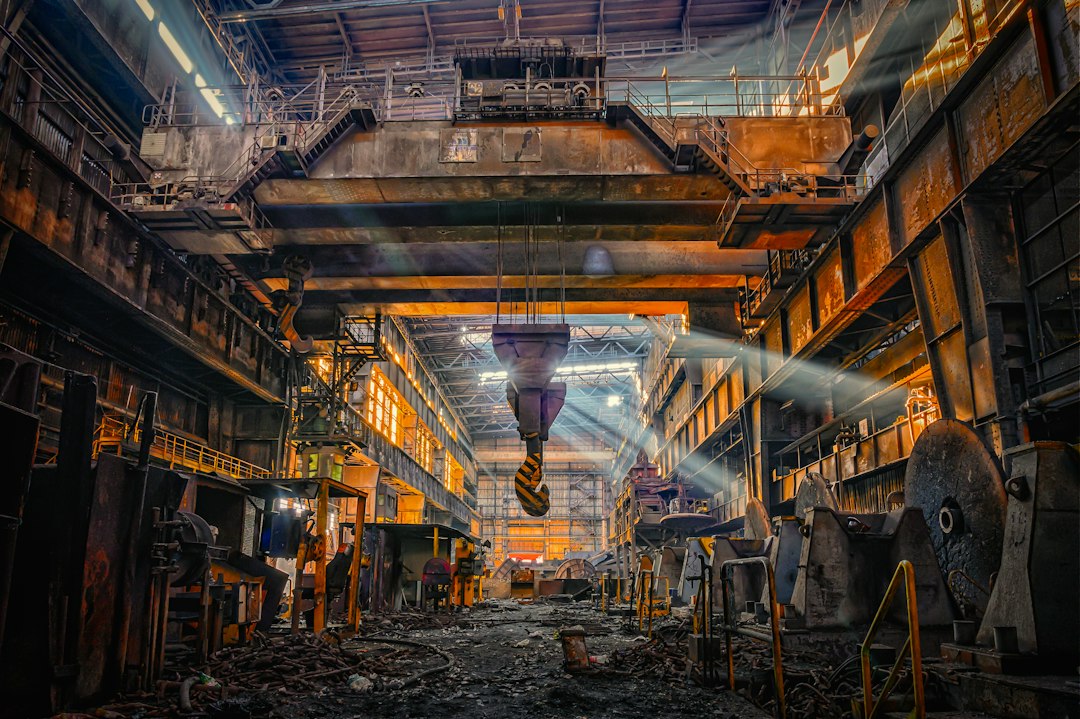
The largest named component is a Joint Steel Action Fund with five-year commitments of C$3.55 billion from the federal government and C$1.67 billion from Ontario — C$5.22 billion combined. The governments say the money will help steel producers diversify output, serve growing domestic sectors such as defence, advanced manufacturing and energy, and pursue overseas markets.
The plan also includes C$2.5 billion over two years for automotive capital projects: C$1.5 billion from Ottawa and C$1 billion from Ontario. The stated purpose is to help manufacturers modernise machinery and production lines for connected and electric vehicles. A further critical-minerals measure would see the federal government match Ontario’s initial investment of up to C$1 billion over three years for road infrastructure in Northern Ontario’s Ring of Fire region.

Because the government describes the measures as an overall C$8.7 billion plan, the individual funding lines should not be treated as a simple cash total without checking the detailed program rules and timing. Some commitments are multi-year, and announced funding is not the same as money already spent or projects completed.
Why steel and autos are central
Steel is an input for buildings, vehicles, energy facilities and public infrastructure. The federal government says Canada’s steel industry supports more than 23,000 direct jobs, while the automotive sector supports over 120,000 direct jobs and contributes more than C$16 billion a year to Canadian GDP. Those figures help explain why Ottawa and Queen’s Park are targeting the sectors most exposed to cross-border tariffs and manufacturing uncertainty.
The plan would strengthen “Buy Canadian” and “Buy Ontario” procurement policies and increase enforcement against steel dumping and unfair subsidies. A new Canada–Ontario Steel Task Force is also expected to examine competitiveness and shipping costs. These steps may support domestic demand, but they do not by themselves guarantee that firms will win new export orders or that every threatened job will be retained.
What remains uncertain
Key questions include how quickly programs will open, which firms will qualify, how much new private investment the incentives will attract, and whether trade measures will provoke further retaliation. The package also sits alongside earlier federal tariff-response programs, so businesses will need to check eligibility and avoid assuming that every announced fund is available immediately.
For workers, the most meaningful test will be whether the plan translates into stable production, new contracts, training and continued employment. For taxpayers, the test will be whether public support delivers measurable industrial capacity and market diversification rather than only delaying difficult adjustments.
Sources and documents
- Government of Canada: October 21 action-plan announcement and funding breakdown.
- The Trillium: independent reporting on the package and its sector priorities.
Swifte Radio will update this report as program details, eligibility rules and implementation timelines are released.