
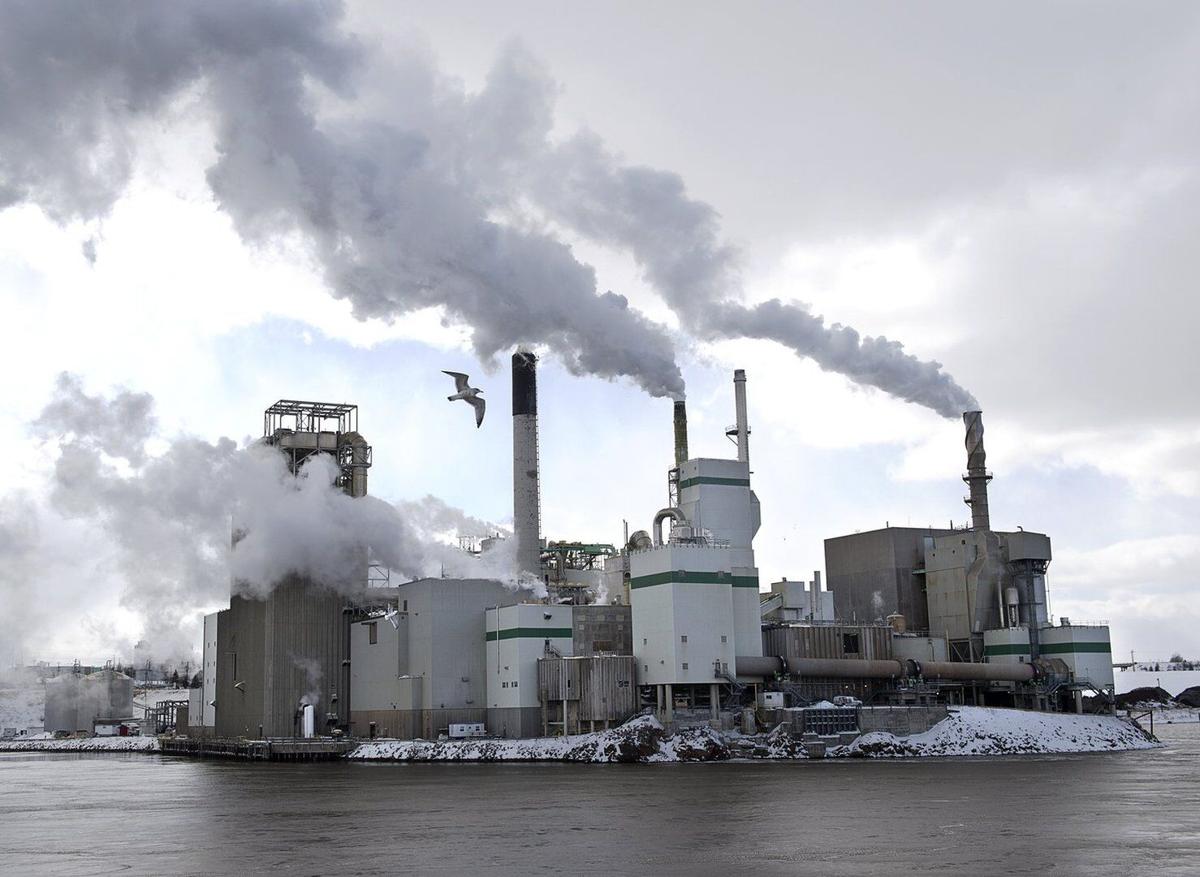
Canada’s struggling forestry industry has welcomed the federal government’s proposed $6.5-billion support package, describing it as an important step towards rebuilding the sector. However, industry leaders warn that the funding may not arrive quickly enough to prevent further mill closures, job losses and economic hardship in forestry-dependent communities.
The funding commitment was announced in the federal government’s 2026 budget, presented by Finance Minister François-Philippe Champagne on November 5. The six-year investment is intended to strengthen Canada’s forest sector, modernize aging facilities, improve productivity and encourage the development of higher-value wood and paper products.
The package forms part of Ottawa’s broader effort to support an industry that employs approximately 200,000 Canadians and contributes significantly to the economies of communities across the country.

Funding Expected to Take Time
Despite welcoming the announcement, forestry representatives say the industry cannot afford to wait several months for assistance. The funding is not expected to begin flowing until the 2027–28 fiscal year, leaving struggling businesses facing continued financial pressure.
Derek Nighbor, president and chief executive of the Forest Products Association of Canada, described the commitment as unprecedented but warned that 2027 could remain a difficult year for the sector.
Weak housing construction, ongoing American tariffs, rising operating expenses and uncertainty in international markets continue to affect demand for Canadian forest products.
The industry has also experienced years of mill closures, production suspensions and workforce reductions, making the latest financial commitment particularly important to businesses and workers seeking stability.
Mill Closures Raise Concerns
Several facilities have recently suspended or reduced operations, highlighting the challenges facing Canada’s pulp and paper industry.
AV Group NB temporarily idled its pulp mill in Nackawic, New Brunswick, affecting approximately 350 workers. Rayonier Advanced Materials also halted production at its Témiscaming, Quebec, facility, affecting more than 300 unionized employees.
Meanwhile, Domtar announced plans in August to indefinitely idle its Bayview Fibre chipping facility and Howe Sound pulp mill in Port Mellon, British Columbia, affecting approximately 400 employees.
Ken Farr, president of the Canadian Institute of Forestry, expressed concern that the government’s financial support could come too late for some facilities already struggling to remain operational.
He argued that the industry’s problems require immediate attention, particularly as businesses deal with expensive operations, limited access to affordable timber and uncertainty surrounding future orders.
Modernization and New Opportunities
Under the federal government’s Forest Sector Transformation Strategy, the $6.5-billion commitment is intended to improve the industry’s competitiveness through several measures.
These include increasing the supply of available wood fibre, supporting innovative forest management, modernizing manufacturing facilities, adopting new technologies and expanding production of higher-value forest products.
The strategy also aims to attract investment and help Canadian forestry businesses reach additional domestic and international markets.
Industry organizations have welcomed the government’s recognition of the sector’s importance but say the success of the package will depend on how quickly the money reaches businesses and whether it addresses the challenges affecting their operations.
Tariffs and Supply Challenges Remain
American tariffs remain another major concern for Canadian forestry companies, particularly businesses that depend heavily on the United States market.
Industry representatives say financial assistance alone will not resolve problems involving access to timber, regulatory delays, transportation expenses and weak demand.
They are calling for coordinated action from federal and provincial governments to improve access to wood supplies, reduce unnecessary administrative barriers and create more predictable conditions for investment.
For workers and communities dependent on forestry, the $6.5-billion commitment offers some hope after years of uncertainty. However, with financial pressures continuing and funding not expected immediately, industry leaders say the coming months will be critical for determining whether struggling mills can remain open.
Swifteradio.com