MBARARA, Uganda — A promising new HIV prevention medication that requires only two injections a year is raising hopes of significantly reducing new infections worldwide. However, limited supplies and unequal access are preventing many people in high-risk communities from benefiting from the breakthrough.
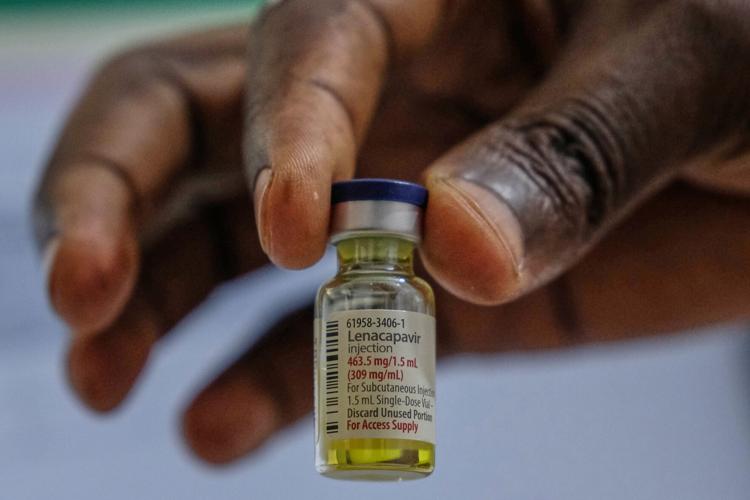
The drug, known as lenacapavir, is a long-acting form of pre-exposure prophylaxis (PrEP) developed by Gilead Sciences. Clinical studies have demonstrated that it provides very high protection against HIV, offering an alternative to daily prevention pills and other injectable medications.
Despite its potential, demand is currently exceeding supply in several countries, including Uganda, where health workers say they are struggling to provide enough doses to people who need them.

The situation highlights a growing challenge in global healthcare: ensuring that medical breakthroughs reach vulnerable communities rather than remaining accessible only to people in wealthier countries.
High Demand for Lenacapavir in Uganda
In Mbarara, a city in western Uganda, sex workers and other people at increased risk of HIV infection are among those seeking access to lenacapavir.
Lisa Mutoni, a sex worker who already uses condoms and other HIV prevention measures, said the six-month injection would make it easier to protect herself.
She explained that some clients attempt to remove or damage condoms during sexual encounters, increasing her exposure to HIV and other sexually transmitted infections.
However, Mutoni said she had repeatedly been unable to obtain the new medication because local health facilities had run out of doses.
Another resident, Julius Bampe, also struggled to access the injection after discovering that his younger wife had tested positive for HIV. Although his wife was immediately placed on treatment, Bampe was unable to obtain lenacapavir because the clinic did not have enough supplies.
A health worker at Mbarara Health Centre IV, Tarsisio Biryeija, said the facility initially received 40 doses in April. A subsequent shipment of 70 doses in June was exhausted within just 10 days.
The clinic initially prioritized pregnant women at risk of HIV before expanding eligibility to include couples, sex workers and other vulnerable groups.
Generic Version Could Reduce the Cost
There are growing expectations that the introduction of generic versions could improve access to lenacapavir, particularly in low- and middle-income countries.
On November 2, 2026, the U.S. Food and Drug Administration approved the first generic injectable version developed by India’s Dr. Reddy’s Laboratories, with support from the Clinton Health Access Initiative, Unitaid and other partners.
Under an existing agreement, the generic medication is expected to be supplied at approximately $40 per person annually in 120 eligible low- and middle-income countries.
This represents a substantial reduction compared with the U.S. list price of $28,218 annually for Gilead’s branded version.
Initial supplies are expected to reach some countries before the end of 2026, with broader availability anticipated in 2027. However, national regulatory approvals, procurement arrangements and funding will still determine how quickly the medication reaches individual communities.
Global Fund Targets Three Million People
The Global Fund to Fight AIDS, Tuberculosis and Malaria is preparing to expand access to lenacapavir through partnerships with governments, manufacturers and healthcare organizations.
Its current ambition is to reach approximately three million people by the end of 2028.
The organization has been working to accelerate the introduction of quality-assured generic products and establish procurement arrangements that can help countries obtain additional supplies.
However, some health advocates believe the target does not adequately reflect the scale of global demand.
Doctors Without Borders, also known as Médecins Sans Frontières (MSF), has called for broader access to affordable doses and increased cooperation from Gilead to ensure that more people can benefit from the medication.
The organization argues that access should extend beyond a limited number of countries and populations.
African Countries Prepare for Wider Rollout
Africa remains central to efforts to expand access to new HIV prevention technologies.
According to UNAIDS, initial deliveries of lenacapavir have reached nine African countries: Eswatini, Kenya, Lesotho, Mozambique, Nigeria, South Africa, Uganda, Zambia and Zimbabwe.
The organization has emphasized the importance of making the medication affordable and available to communities facing disproportionately high HIV infection risks.
It has also called for expanded generic manufacturing, technology transfer and greater participation by African manufacturers to strengthen long-term supply.
For Nigeria and other countries already included in the initial rollout, expanding access will require sustained funding, reliable distribution systems and the integration of the medication into existing HIV prevention services.
Funding and Distribution Remain Major Challenges
Although lenacapavir represents an important development in HIV prevention, experts warn that the availability of an effective medication does not automatically guarantee widespread access.
UNAIDS reported that approximately 1.2 million people acquired HIV globally in 2025, while 570,000 people died from AIDS-related illnesses.
The organization has also warned that reductions in international health assistance have placed additional pressure on prevention programmes, particularly in countries that depend heavily on external funding.
For lenacapavir to make a substantial difference, governments and international partners will need to address supply shortages, affordability, healthcare infrastructure and barriers that prevent vulnerable populations from accessing services.
The medication is not a cure for HIV, nor is it a vaccine. It is a preventive treatment that must be administered to HIV-negative individuals following appropriate testing and medical assessment.
Its long-lasting protection offers an important opportunity to strengthen existing prevention efforts. However, the scale of its impact will ultimately depend on whether countries can make it accessible to the people who need it most.
Swifteradio.com

