
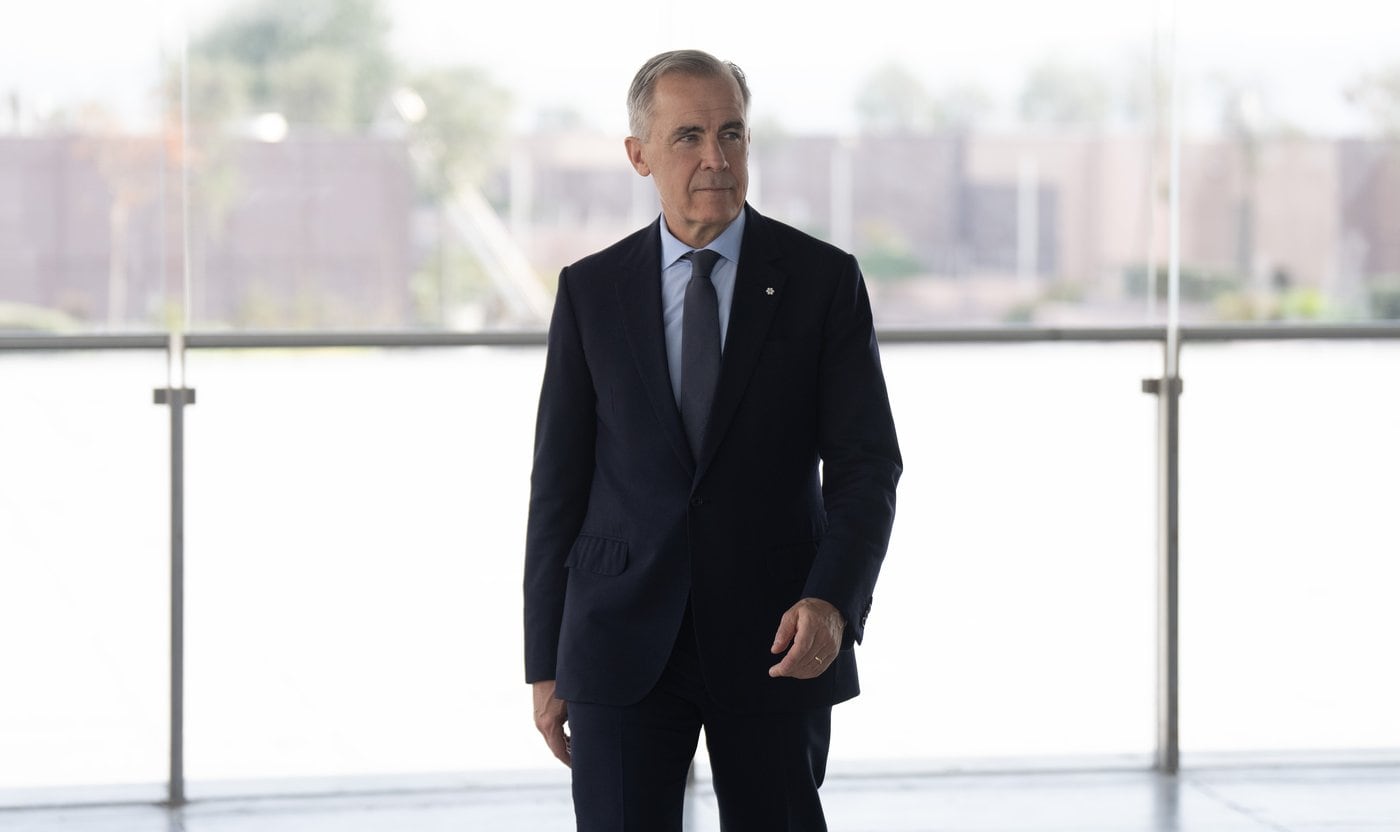
OTTAWA, Canada — Canadian Prime Minister Mark Carney is intensifying efforts to expand the country’s international trade relationships as negotiations with the United States remain uncertain, prompting Ottawa to seek stronger economic partnerships across Europe, Asia and other global markets.
The strategy is aimed at reducing Canada’s dependence on its largest trading partner while protecting Canadian businesses from the uncertainty created by U.S. tariffs and shifting trade policies under President Donald Trump.

Although discussions between Ottawa and Washington have picked up in recent days, Carney has made clear that Canada will not accept an agreement simply to bring the dispute to an end. His government says any deal must serve Canada’s national interests.
Canada-U.S. Trade Deal Remains Uncertain
Trade tensions between Canada and the United States escalated after negotiations broke down in August. Carney’s government rejected proposed terms that it considered unacceptable, while Washington subsequently imposed tariffs on billions of dollars’ worth of Canadian products.
Canada responded with retaliatory measures against U.S. goods.
Although the two governments have since resumed discussions, Canadian officials have described progress as limited. Carney said on October 28 that Canada was not yet in a position to reach an agreement before the upcoming U.S. midterm elections.
The prime minister has maintained that Ottawa remains open to a mutually beneficial deal but will not compromise important national interests to secure one.
The uncertainty has encouraged Canada to explore ways of expanding its export markets and reducing the risks associated with relying heavily on one trading partner.
India Becomes a Major Focus of Diversification Strategy
One of Canada’s key priorities is strengthening commercial relations with India.
Foreign Affairs Minister Anita Anand said Ottawa is targeting the conclusion of a comprehensive trade agreement with India by the end of 2026. The proposed agreement forms part of Canada’s broader plan to expand economic ties across Asia.
According to Anand, the two countries have increased engagement through trade discussions and business visits. Canadian Trade Minister Maninder Sidhu has also travelled to India with a business delegation as negotiations continue.
India is an important potential market for Canadian exports, particularly as Ottawa seeks to develop stronger commercial relationships beyond North America.
Canada is also pursuing closer economic cooperation with Southeast Asian countries, building on existing agreements and negotiations with regional partners.
Stronger Economic Partnership With Europe
Europe is another central part of Carney’s diversification agenda.
At a recent summit in Montreal, Canada and European Union leaders announced plans to deepen cooperation in trade, investment, energy, technology and security.
Carney met European Commission President Ursula von der Leyen and European Council President António Costa as both sides worked to strengthen their economic relationship.
The discussions included closer cooperation on digital trade, critical minerals, artificial intelligence, energy projects and investment opportunities. The partners also advanced agreements on digital trade and competition.
Canada is additionally exploring a closer institutional relationship with the European Union, including the possibility of becoming its first associate member. Carney has said he hopes negotiations on that arrangement can be concluded by June 2027.
The push reflects Ottawa’s interest in building a wider network of economic partnerships while maintaining its existing relationship with the United States.
Reducing Dependence on a Single Trading Partner
The United States remains Canada’s largest export market, making the ongoing trade dispute particularly significant for Canadian manufacturers, farmers, energy producers and other businesses.
Carney’s government has therefore set a target of doubling Canadian exports to markets outside the United States over the next decade.
The objective is to strengthen Canada’s economic resilience by creating additional opportunities for businesses and reducing exposure to sudden changes in U.S. trade policy.
However, expanding trade relationships will require sustained negotiations, investment in infrastructure and stronger connections with international markets. New agreements may also take time to deliver measurable benefits for Canadian exporters.
Canada Keeps the Door Open to Washington
Despite the diversification push, Carney has not abandoned efforts to reach an agreement with the United States.
Ottawa continues to consider the two countries’ economic relationship important, particularly because of their closely connected supply chains and shared commercial interests.
However, the government is pursuing a broader strategy that gives Canadian businesses more international opportunities while negotiations with Washington continue.
For now, the absence of a Canada-U.S. trade agreement remains a major source of uncertainty. Carney’s efforts to strengthen ties with India, Europe and other markets show how his government is seeking to prepare Canada’s economy for a more unpredictable global trading environment.
Swifteradio.com