Table of Contents
PRETORIA, October 23, 2026 — South Africa will temporarily reduce fuel levies from November 4 in an effort to cushion households and businesses against sharp fuel-cost increases linked to the Middle East conflict. Finance Minister Enoch Godongwana announced the measures in the Medium-Term Budget Policy Statement delivered to Parliament on October 21.
The first phase, running from November 4 through December 1, reduces the general fuel levy by R1.50 per litre for petrol and R3 per litre for diesel. A smaller reduction is scheduled to continue from December 2 until January 5, 2027: R1 per litre for petrol and R1.50 per litre for diesel. The government estimates the package will provide R10 billion in relief, with an equivalent fiscal cost in foregone revenue.
How the relief is funded
According to the government’s statement, the funding comes from revenue overruns recorded in the 2025/26 financial year and routed through the Central Energy Fund and National Revenue Fund arrangements. Officials say the intervention is designed to ease cost-of-living pressure while remaining within the fiscal framework. The measure is temporary, not a permanent reduction in fuel taxation.
The government’s decision follows a sharp rise in international crude prices during the conflict. Higher fuel costs can affect more than private motorists: diesel is important for freight, agriculture, mining, generators and many small businesses. When transport costs rise, companies may pass some of the increase through to food and other consumer prices, although the size and timing of that effect varies by sector.

What motorists should expect
A levy reduction lowers one component of the pump price, but it does not guarantee that the final price will fall by exactly the same amount if the underlying cost of crude, refined products, shipping or the exchange rate moves in the opposite direction. Petrol and diesel prices also include other regulated charges and cost components. Motorists should therefore check the official monthly price announcement rather than assume the levy change will determine the entire pump price.
Diesel receives the larger initial cut because of its role in commercial transport and production. That could help logistics operators and other diesel-intensive users, but whether savings reach consumers depends on competition, contracts and the speed at which businesses adjust prices.
Relief versus long-term resilience
Temporary tax relief can provide breathing room during a shock, but it also reduces revenue that could otherwise support public services or infrastructure. The government says it has made provision for the R10 billion cost. Parliament and the public will still have reason to monitor implementation, the actual effect on retail prices and whether the support reaches the households and businesses most exposed to the increase.
South Africa remains vulnerable to imported energy-price shocks even though it has domestic refining and fuel-supply capacity. Sustained resilience depends on reliable supply chains, efficient transport, energy diversification and credible public finances. If global oil prices remain high beyond the relief window, policymakers may face renewed pressure to extend support or allow the market increase to pass through.
What to watch next
The first test begins on November 4, when the levy changes take effect. The next will be whether the smaller December-to-January reduction is implemented as announced and whether the government reports a measurable easing in pump prices and transport costs. The policy offers a defined period of relief, but it cannot by itself resolve the international supply risks driving the current energy shock.
Sources
- South African Government: Medium-Term Budget Policy Statement, October 21, 2026.
- SAnews: fuel-levy schedule and estimated R10 billion cost.
- Reuters: independent reporting on the relief measures and fiscal context.
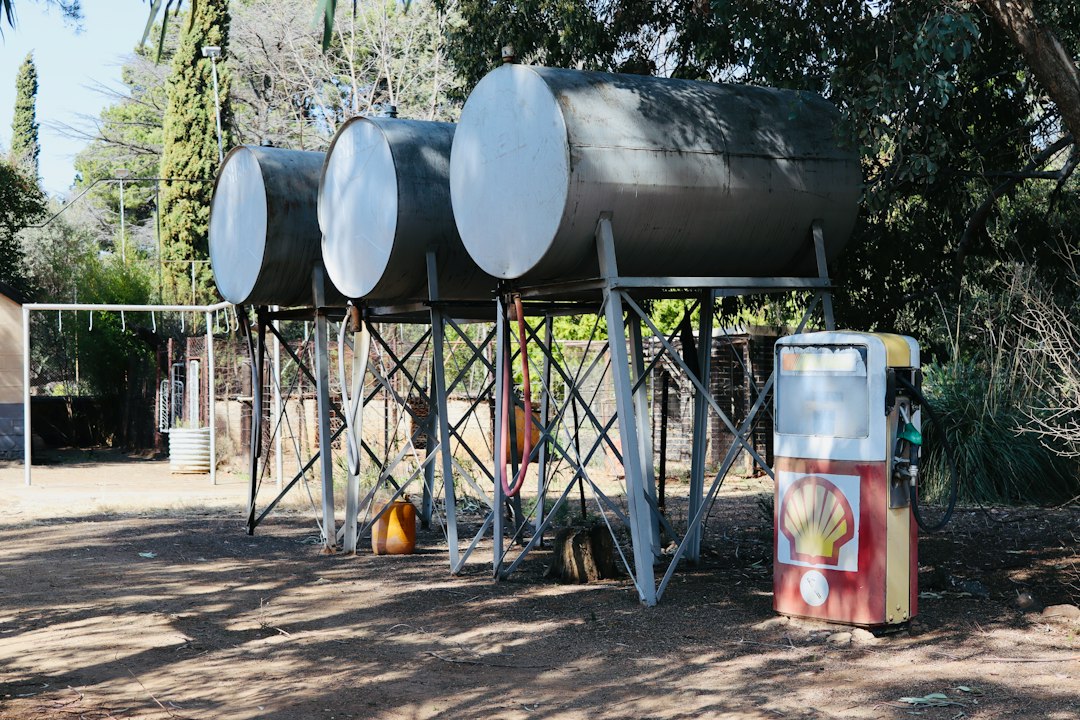
Photo note: The featured image is an illustrative petrol-station photograph from Johannesburg, South Africa, not a live price board. Photo by Eyasu Etsub via Unsplash.