
NEW YORK — The ongoing war between the United States and Iran is putting additional financial pressure on American households, with rising fuel prices, expensive air travel and increasing transportation costs affecting consumers as the November midterm elections approach.
More than seven months into the conflict, the economic impact has been uneven. While motorists and airline passengers have experienced some of the most noticeable price increases, businesses are also facing higher costs to manufacture, transport and deliver goods. Economists warn that consumers could face further increases if energy prices remain elevated.
Gasoline and Diesel Prices Surge

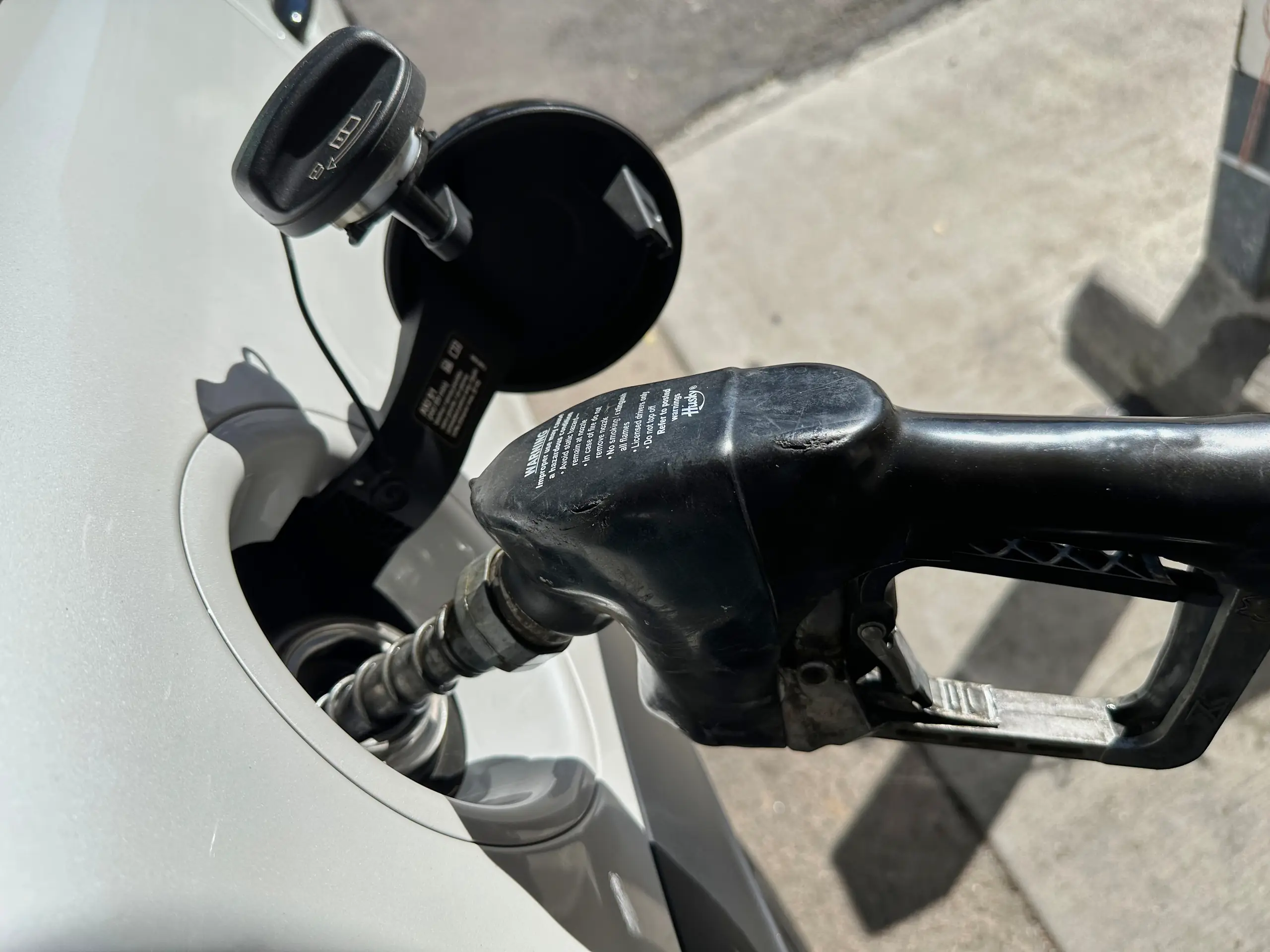
Fuel prices have become one of the clearest signs of the war’s economic impact. According to the American Automobile Association (AAA), the national average price of regular gasoline reached $4.33 per gallon on Friday, approximately 45 per cent above its prewar level. Diesel prices climbed to $6.33 per gallon, an increase of 68 per cent.
Higher diesel prices are particularly significant because trucks and other freight vehicles rely heavily on the fuel to transport goods across the country. Increased transportation expenses can eventually affect the prices consumers pay for everyday products.
Households that depend on heating oil could also face higher winter energy bills, adding to concerns about affordability as colder weather approaches.
Airfares and Shipping Costs Climb
The aviation industry has also been affected by rising fuel expenses. Airlines have increased ticket prices and fees, reduced some flight schedules and reconsidered plans to expand services.
U.S. airfares were approximately 22 per cent higher in September than a year earlier, according to consumer price data cited by The Associated Press.
Shipping and logistics companies are facing similar pressures. September data showed that prices for truck freight and water transportation services were each up 19.3 per cent compared with the previous year. The U.S. Postal Service and other delivery companies have also introduced higher charges or fuel surcharges on selected services.
Grocery Prices Face Further Pressure
Although grocery prices have not increased as sharply across the board, farmers and food distributors are dealing with higher fuel, fertilizer and refrigeration expenses.
The U.S. Department of Agriculture now forecasts grocery prices to rise 2.4 per cent in 2026, compared with its earlier projection of 1.7 per cent. Experts warn that fresh produce and other perishable goods could become more expensive if transportation and storage costs continue rising.
Footwear prices are also feeling the pressure, with shoes costing 3.4 per cent more in September than a year earlier.
Economic Pressure Becomes an Election Issue
Moody’s Analytics chief economist Mark Zandi estimates that the war has cost the average American household nearly $2,000 through higher energy prices, borrowing costs and military expenses.
With the midterm elections approaching, the rising cost of living is likely to remain a major concern for voters. If energy prices stay high, businesses may pass more of their expenses on to consumers, potentially extending the financial strain into the holiday shopping season.
Swifteradio.com