
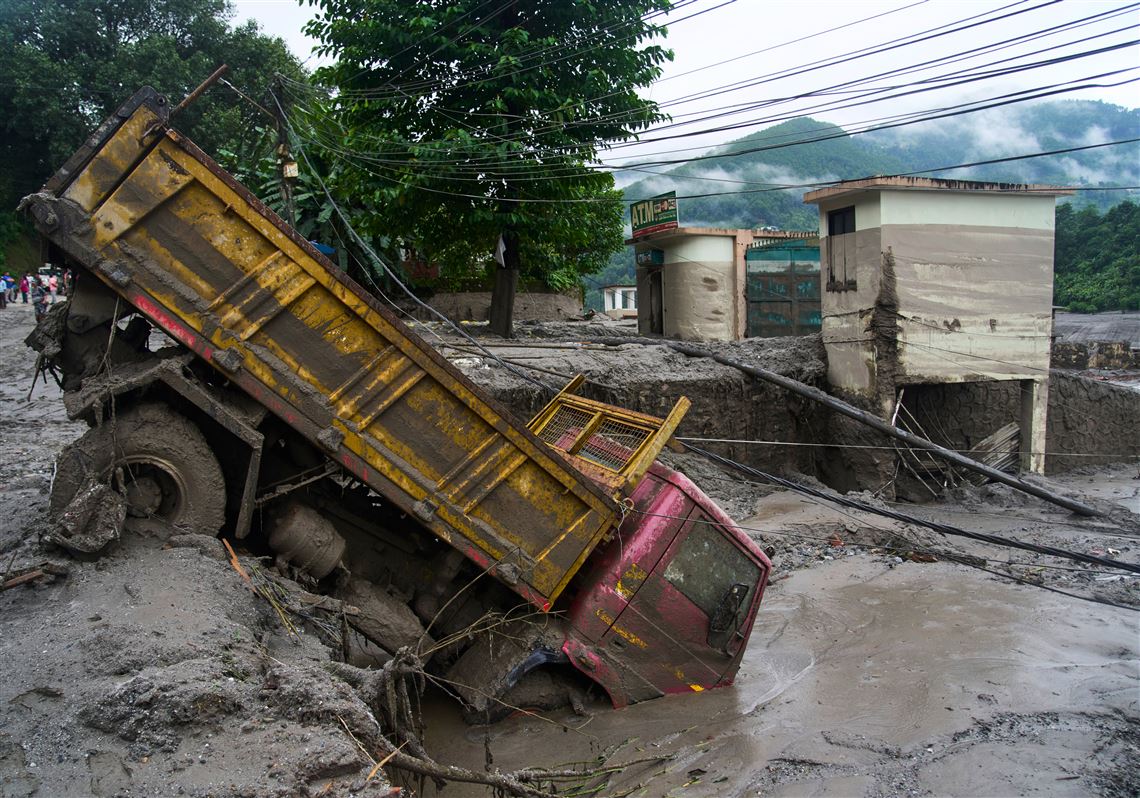
A devastating flooding disaster in parts of Nepal and Tibet has left more than 390 people dead and over 1,400 others missing, as emergency teams continue a difficult search for survivors and assess the widespread destruction caused by the disaster.
The catastrophic flooding struck mountainous communities near the Nepal-China border, where a sudden surge of water and debris overwhelmed areas in its path. The disaster damaged homes, roads, bridges and other critical infrastructure, leaving several communities difficult to reach and disrupting transportation across the region.
Authorities in Nepal and China are continuing to update the number of casualties as rescue workers reach areas that were initially inaccessible. More than 390 deaths have been reported across the affected areas, while more than 1,400 people remain unaccounted for.
The large number of missing people has intensified the search-and-rescue operation. Emergency personnel are working in challenging mountainous terrain while dealing with damaged roads and bridges that have made access to some locations difficult.

Helicopters and other emergency resources are being used to assist rescue efforts and reach isolated communities. Authorities are also working to evacuate people from areas considered vulnerable to additional flooding or landslides.
The disaster has affected a region that attracts tourists, trekkers and religious pilgrims from different parts of the world. Officials are therefore working to determine whether foreign nationals are among those missing and to provide information to their families.
The flooding has caused significant damage to transportation networks. Several roads and bridges have reportedly been destroyed or damaged, creating additional difficulties for rescue teams and preventing some communities from receiving immediate assistance.
The scale of the disaster has also raised concerns about the vulnerability of communities in the Himalayan region to sudden natural hazards. Mountainous areas can be particularly difficult to evacuate because of steep terrain, limited transportation routes and rapidly changing weather conditions.
Reports indicate that the flooding was associated with a glacial collapse, which sent a powerful flow of water and debris through the affected region. Such events can occur suddenly, leaving communities with little time to respond.
The disaster has renewed attention on the changing environmental conditions affecting the Himalayas. Scientists have warned that rising temperatures are contributing to the rapid retreat and destabilization of glaciers in many mountain regions. However, experts continue to study the specific factors responsible for individual flooding events.
Rescue teams are facing considerable challenges as they search for people who remain missing. Damaged infrastructure, difficult terrain and the potential for additional hazards are complicating operations.
Authorities are prioritizing efforts to locate survivors, identify victims and reunite families with missing relatives. Emergency agencies are also providing assistance to people who have been displaced from their homes.
The disaster is expected to have lasting consequences for affected communities. Beyond the immediate loss of life, damaged infrastructure could disrupt trade, tourism and access to essential services for an extended period.
Government agencies and emergency organizations are expected to continue providing updates as search operations progress and officials gain a clearer understanding of the full extent of the damage.
Families of those missing are anxiously awaiting information, while communities across the region continue to cope with the aftermath of the disaster. Officials have urged residents in vulnerable areas to follow evacuation instructions and remain alert to further warnings.
With the confirmed death toll already exceeding 390 and more than 1,400 people still missing, the final impact of the disaster could be even greater as search teams reach more affected locations.
For now, the priority remains saving lives, locating missing people and supporting communities devastated by the catastrophic floods. The disaster serves as a stark reminder of the dangers faced by people living in vulnerable mountainous regions and the importance of effective early-warning systems and emergency preparedness.
Swifteradio.com
