
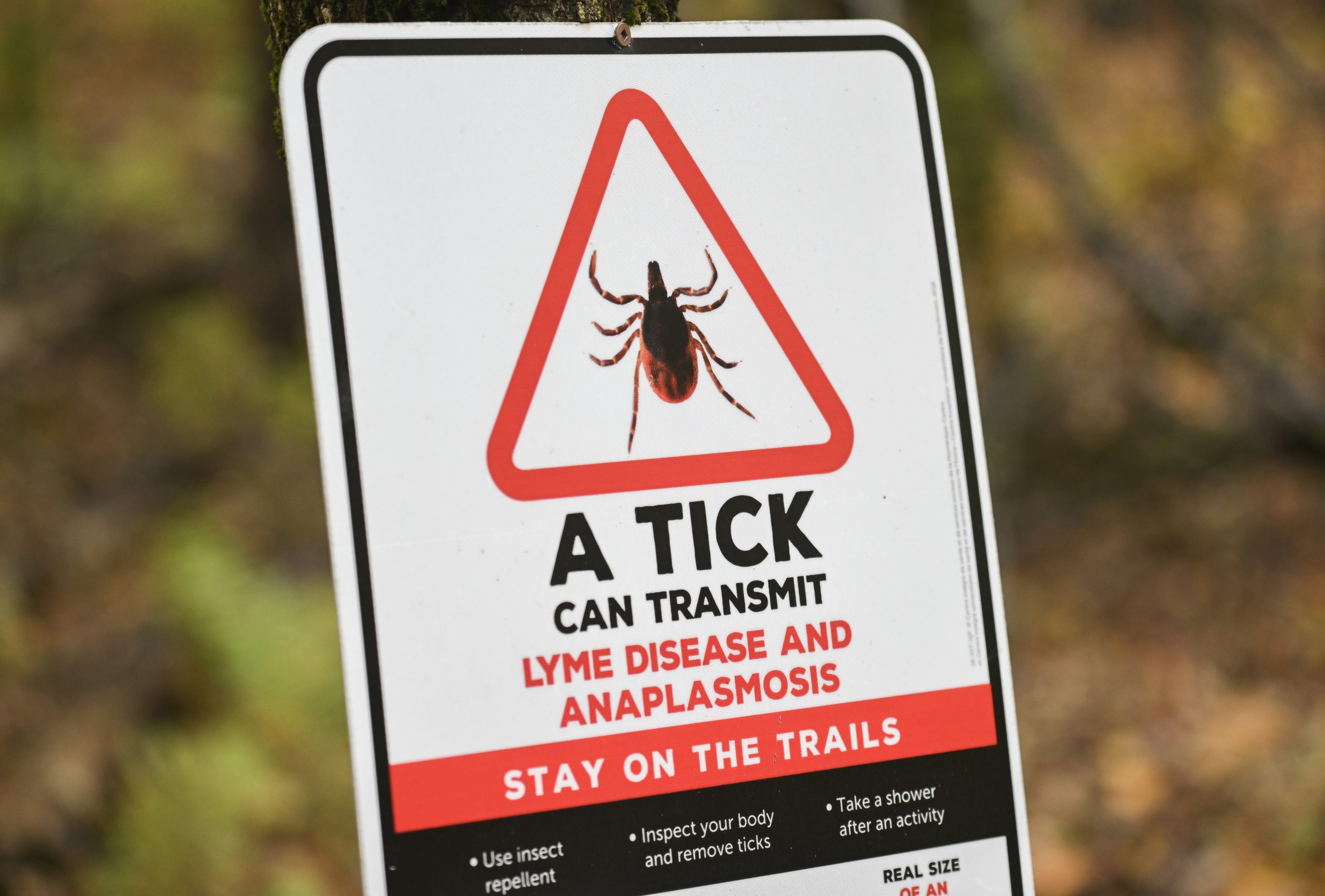
Health authorities in Montreal have reported the highest number of Lyme disease cases recorded in more than 20 years, raising growing concerns about public health risks linked to tick exposure.
Medical officials say the increase reflects a broader rise in tick populations and changing environmental conditions that are contributing to the spread of the disease across parts of Canada.
Lyme disease is caused by bacteria transmitted through bites from infected blacklegged ticks, commonly known as deer ticks. Early symptoms may include fever, fatigue, headaches, muscle pain, and skin rashes, while untreated cases can lead to more serious complications affecting joints, the nervous system, and the heart.
Public health experts say warmer temperatures and longer tick activity seasons may be contributing to the growing number of infections in the Montreal region and other parts of Quebec.

Officials are encouraging residents to take preventive measures when spending time outdoors, particularly in wooded areas, parks, and grassy environments where ticks are commonly found.
Recommended precautions include wearing long clothing, using insect repellent, checking the body for ticks after outdoor activities, and seeking medical attention if symptoms appear following a tick bite.
The rise in cases has prompted renewed awareness campaigns aimed at educating the public about tick safety and early detection of Lyme disease symptoms.
Health professionals stress that early diagnosis and treatment with antibiotics can significantly improve recovery outcomes for infected individuals.
Environmental specialists note that climate change and shifting ecosystems are playing an increasing role in expanding tick habitats across North America.
The growing number of Lyme disease cases has also raised concerns among healthcare providers about the need for continued surveillance and public health preparedness.
Authorities in Quebec are continuing monitoring efforts to track infection trends and identify high-risk areas for tick exposure.
Medical experts say public awareness remains one of the most effective tools in reducing infection risks and encouraging early treatment.
The latest figures highlight the evolving impact of environmental and climate factors on infectious disease patterns across Canada.
Residents are being urged to remain cautious during outdoor activities as tick season continues in the region.
Swifteradio.com
