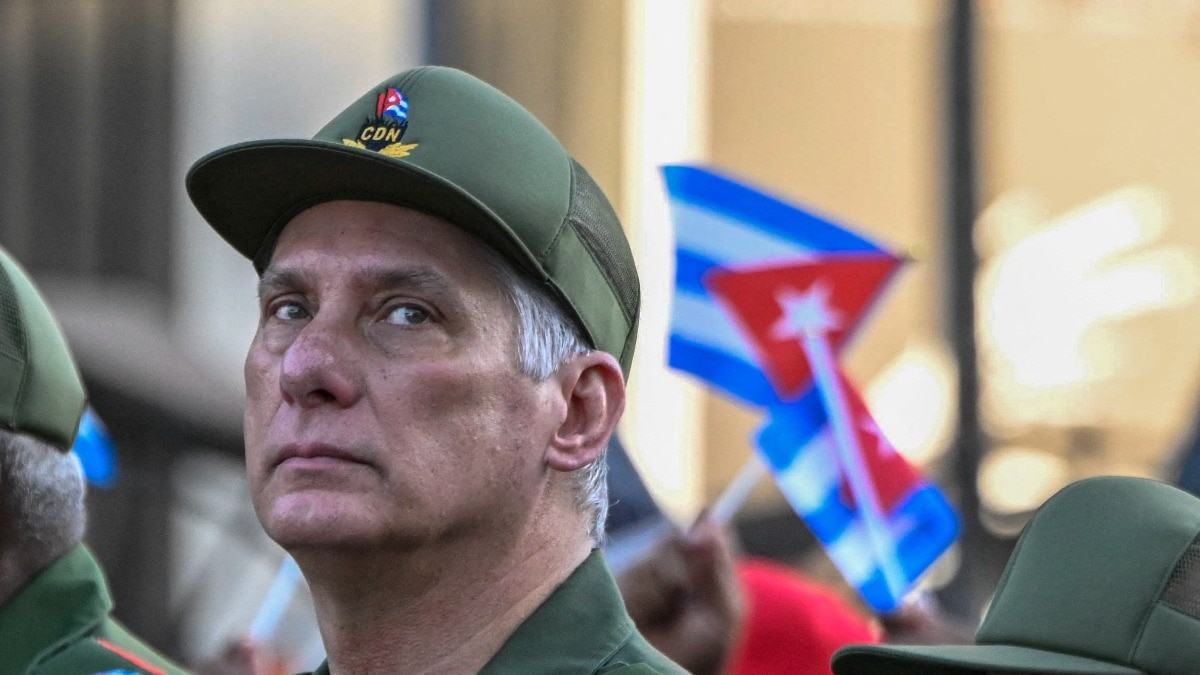
The United States has imposed new sanctions on Cuban President Miguel Díaz-Canel, his wife, and several senior figures linked to Cuba’s leadership, marking the latest move by President Donald Trump to increase pressure on the island’s government.
The sanctions, announced Thursday, also target Alejandro Castro Espín, the only son of former Cuban leader Raúl Castro, and his son, Raul Alejandro Castro Calis. The measures freeze any assets the designated individuals may hold within U.S. jurisdiction and prohibit certain financial dealings involving them.
The latest penalties come amid escalating tensions between Washington and Havana. Since returning to office, Trump has expanded sanctions on Cuba, imposed an energy blockade, and intensified pressure on the country’s leadership. The measures have coincided with worsening economic conditions on the island, including widespread power outages, food shortages, and a deepening financial crisis.
Political analysts note that the sanctions may have limited direct financial impact, as Cuban leaders are not widely believed to hold significant assets in the United States. However, experts say the move sends a strong political message and could signal further pressure on the Cuban government.

Diaz-Canel condemned the sanctions, accusing Washington of escalating hostility and attempting to tighten the longstanding U.S. embargo. He argued that the measures are designed to increase hardship for the Cuban people while undermining the country’s sovereignty.
Speaking at the White House, Trump defended the sanctions, describing Cuba as a nation facing severe economic difficulties. He reiterated his administration’s desire for political and economic changes on the island and suggested that the United States would continue addressing the situation after completing current military operations involving Iran.
Secretary of State Marco Rubio, a longtime critic of Cuba’s communist government, said those targeted by the sanctions support and finance the regime’s activities. Rubio has consistently advocated a tougher approach toward Havana and has backed broader sanctions against state-run entities, including military-controlled business conglomerates.
Cuban Foreign Minister Bruno Rodríguez Parrilla denounced the sanctions as part of a broader U.S. strategy to portray Cuba as a threat to American national security. He insisted that efforts to create conflict between the two countries would fail and pledged continued resistance to external pressure.
The sanctions also target several Cuban institutions, including the Ministry of Defense, the Institute for Friendship with the Peoples, Amistur Cuba, and the Committees for the Defense of the Revolution.
Diaz-Canel, who succeeded Raúl Castro in 2018, became the first Cuban leader in decades not to carry the Castro surname. His administration has overseen one of the most challenging economic periods in modern Cuban history, with the crisis worsening amid tightened U.S. sanctions and persistent structural problems within the Cuban economy.
