
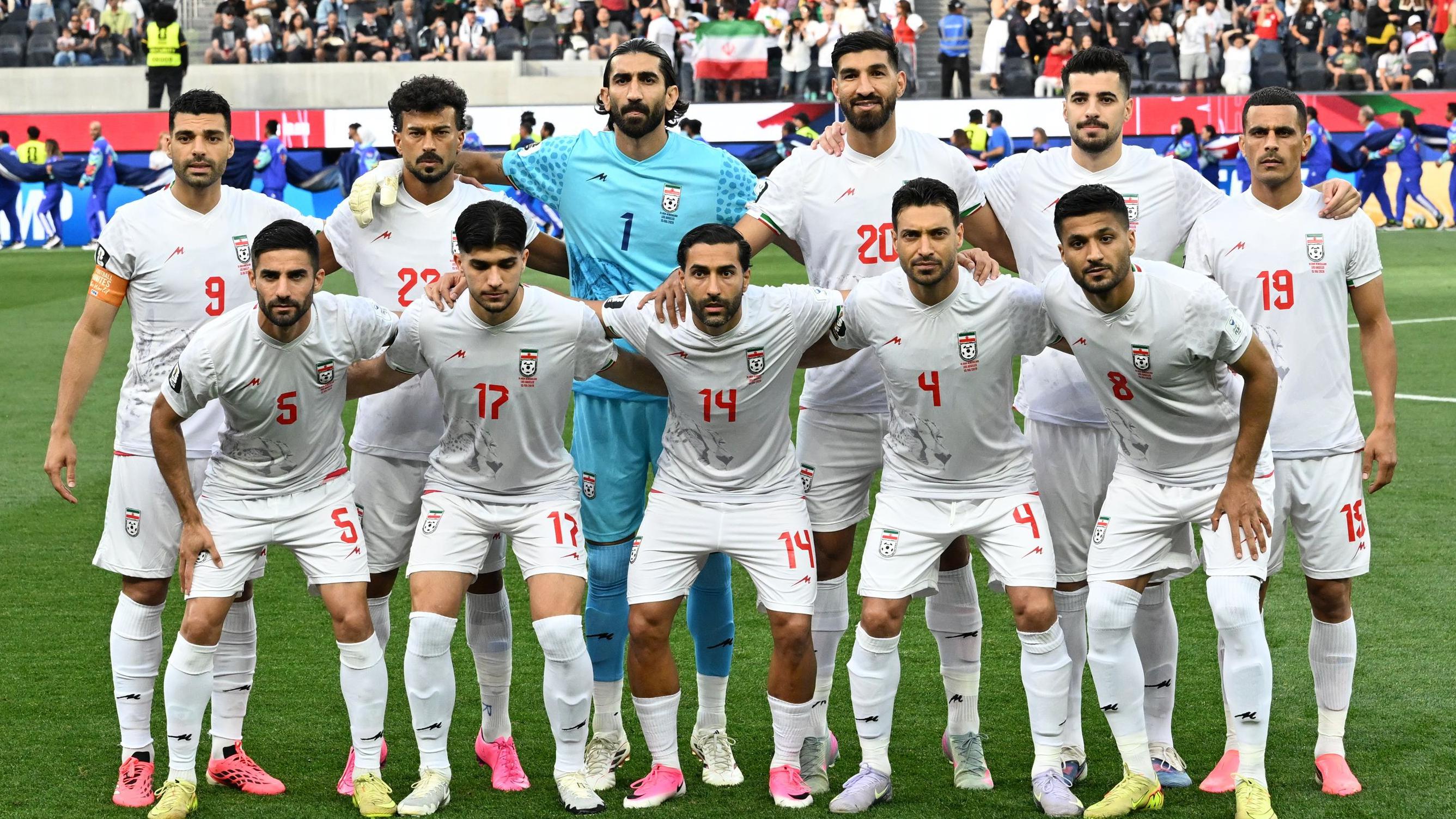
The Football Federation Islamic Republic of Iran has announced plans to file a formal complaint with FIFA over travel restrictions affecting the country’s national team during the 2026 FIFA World Cup.
According to Iranian football officials, visa uncertainties and ongoing regional tensions have forced the team to base itself in Mexico rather than the United States, where all three of its Group G matches are scheduled to take place.
Under current arrangements, Iranian players and staff are reportedly permitted to enter the United States only within 24 hours of a match and must leave on the same day after the game. Iranian officials argue that these restrictions place the team at a competitive disadvantage compared with other tournament participants.
National team coach Amir Ghalenoei described Iran as the “most oppressed” team at the tournament, claiming the travel requirements have disrupted preparation and recovery schedules.

In a statement, the Iranian federation said the restrictions are inconsistent with the principle of equal treatment for participating teams and may negatively affect the squad’s technical and physical preparation.
The federation also argued that its coaching staff had requested permission for the team to arrive in host cities two days before matches and return to its base the day after each game. Officials say that request was denied ahead of Iran’s opening Group G match against New Zealand national football team, which ended in a 2-2 draw.
Neither FIFA nor the U.S. Department of Homeland Security had publicly commented on the complaint at the time of the report.
Iran is scheduled to continue its World Cup campaign against Belgium national football team in Los Angeles on June 21 before concluding the group stage against Egypt national football team in Seattle on June 27.
The dispute highlights the challenges that geopolitical tensions and immigration policies can create during global sporting events, particularly when tournaments are hosted across multiple countries and involve nations facing diplomatic or security-related restrictions.
