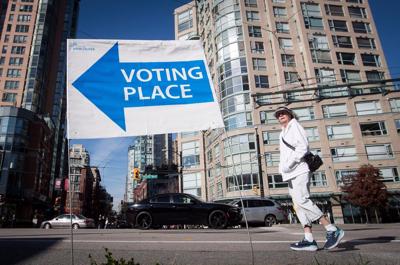
VANCOUVER, British Columbia — Voters across British Columbia are heading to the polls on Saturday, October 17, to elect mayors, municipal councillors, school board trustees and other local representatives, just one week before the province’s general election.
Approximately 3,500 candidates are competing for local government positions across the province, making Saturday a significant day for communities deciding who will lead their municipalities and shape local policies. The elections cover municipal councils, regional district boards, school boards and other local governing bodies.
Overlapping Elections Create Voter Confusion

This year’s municipal elections are taking place alongside the campaign for British Columbia’s provincial election, scheduled for October 24. Advance voting for the provincial election began on October 16 and continues until October 21.
The close timing of the two elections has raised concerns among candidates and local government representatives, who say voters may struggle to distinguish between the different contests.
British Columbia Premier and NDP Leader David Eby called the provincial election two years earlier than scheduled, placing the campaign in the middle of the municipal election period.
The Union of British Columbia Municipalities had previously urged the provincial government to avoid scheduling an election during local campaigns. However, the provincial vote proceeded, prompting criticism from municipal leaders and opposition politicians.
Candidates Report Challenges During Campaigns
Some local candidates have reported confusion among voters about election dates, with residents mistakenly believing municipal voting would take place on the same day as the provincial election.
Cori Ramsay, a Prince George city council candidate and former president of the Union of British Columbia Municipalities, said the overlapping campaigns had created additional challenges. Local campaigns have also reportedly lost staff to provincial candidates competing for attention and resources.
Despite these concerns, several municipalities, including Vancouver, Richmond, Burnaby, Surrey, Kamloops, Kelowna and Prince George, have reported strong turnout during advance voting. Some communities have recorded particularly high participation, suggesting considerable public interest in local government decisions.
Two Elections, Different Responsibilities
The municipal elections will determine leadership on issues such as housing, local transportation, community services, land use and school governance.
The provincial election, meanwhile, will determine who represents British Columbians in the Legislative Assembly and ultimately forms the next provincial government.
With voting dates only seven days apart, election officials and candidates are encouraging residents to confirm the correct dates and voting arrangements before heading to the polls.
The results of both elections could shape British Columbia’s political landscape and influence decisions affecting communities across the province.
Swifteradio.com