
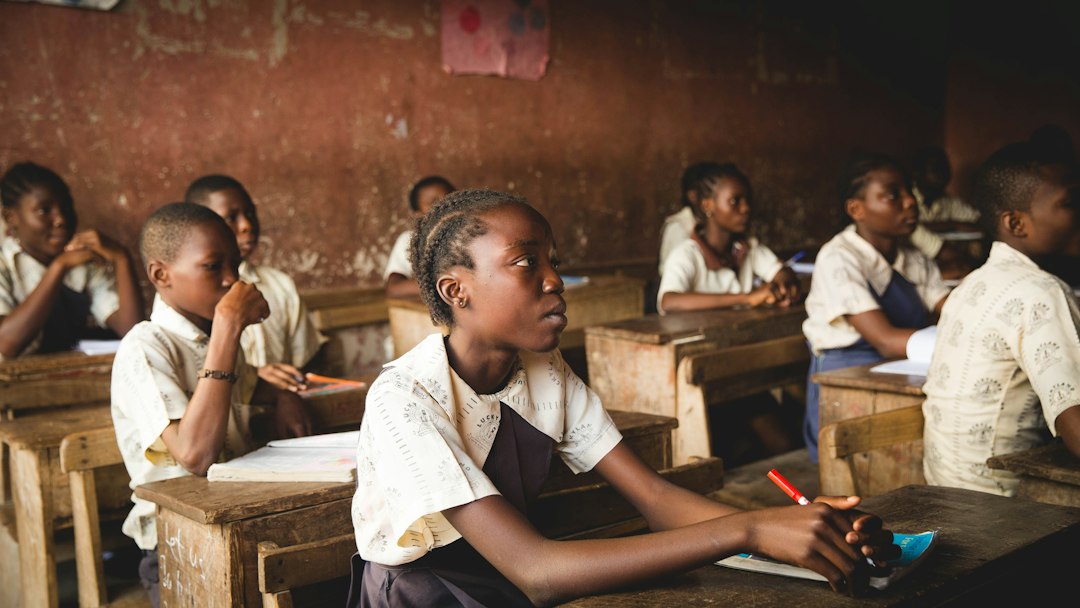
As Nigerian schools return for a new academic cycle, security is once again becoming a central part of the education conversation. The country’s experience with school attacks and abductions has shown that a school can be academically prepared yet physically vulnerable.
The immediate response often focuses on police deployments and security alerts. Those measures matter, but they are only one layer of protection.
What safer schools need
Perimeter fencing, controlled entry points, lighting, communication systems, emergency procedures and trained personnel can reduce vulnerability. Communities also need reliable channels for reporting threats before an incident occurs.
Technology can help, but it should support—not replace—human security. A camera cannot compensate for a broken fence, an unstaffed gate or a delayed emergency response.

The financial question is equally important. Security spending should be measurable. Parents and communities deserve to know whether money allocated to school protection is producing functioning infrastructure rather than only announcements.
The strongest school-safety policy is therefore preventative: identify weak points, fund them, test emergency plans and publish progress. Protecting children must be treated as a permanent education requirement rather than a response activated only after a crisis.
Sources: Nigerian education reporting and public safety discussions reviewed September 14, 2026.
