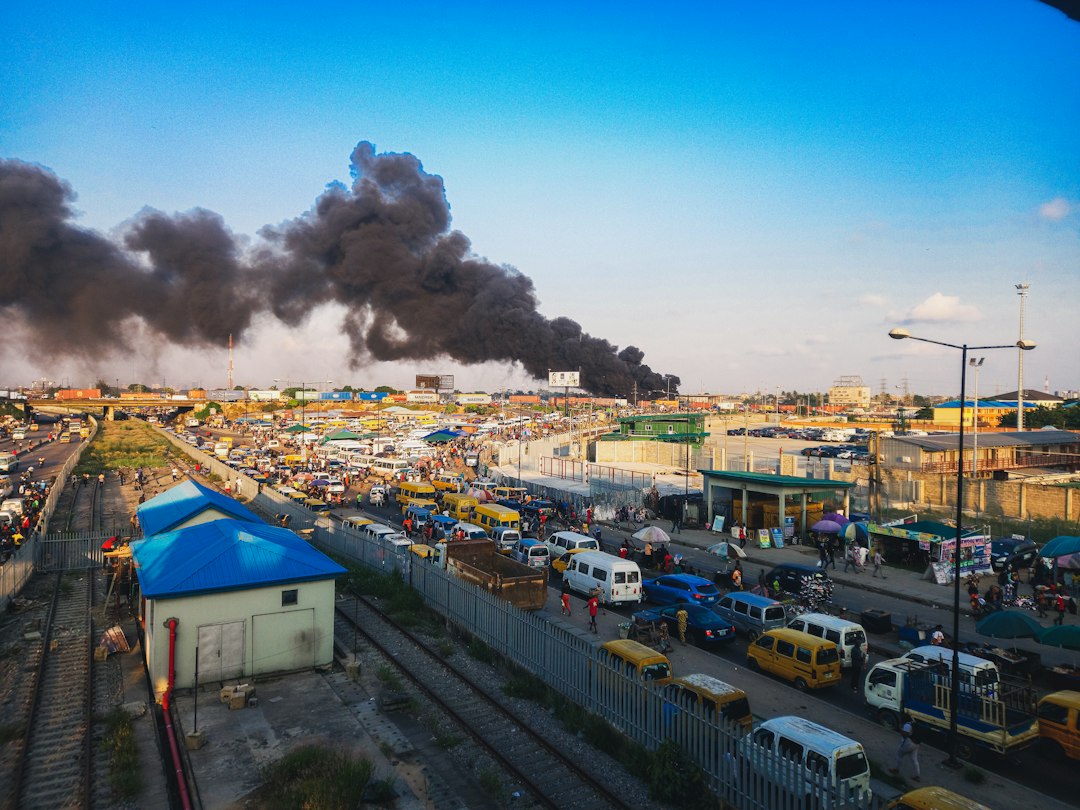
Dangote’s decision to take its refinery to a much larger production scale could have consequences far beyond Lagos. The project sits at the intersection of Nigeria’s fuel demand, West African imports, global refining capacity and the continent’s long-running push for greater energy self-sufficiency.
The refinery currently operates at roughly 700,000 barrels per day and the company has outlined a path toward 1.4 million barrels per day. If delivered, that would give Nigeria an even larger role in regional refined-product supply.
The regional opportunity
West African countries have historically relied heavily on imported refined petroleum products. More regional production can shorten supply chains and potentially reduce exposure to disruptions in international refining and shipping.
But larger capacity does not automatically guarantee lower pump prices. Retail fuel prices also depend on crude costs, taxes, transport, storage, exchange rates, financing and competition.

The expansion therefore deserves to be judged on more than headline capacity. The key indicators will be sustained utilisation, export volumes, product quality, supply reliability and how much value remains within African economies.
If Nigeria can combine large-scale refining with transparent markets and reliable infrastructure, the project could become an important case study in African industrialisation.
Sources: Reuters and company/market disclosures dated September 2026.
