
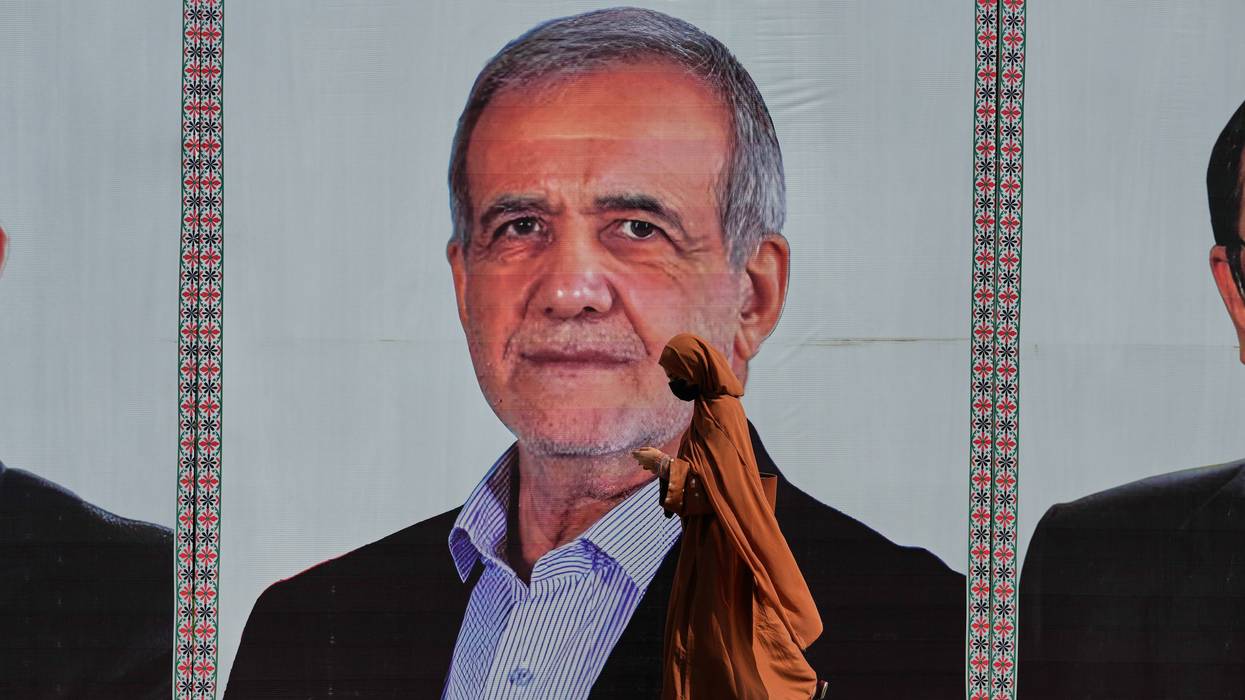
Iranian President Masoud Pezeshkian is set to visit Pakistan as diplomatic teams from Iran and the United States continue intensive negotiations aimed at finalizing a landmark agreement intended to end hostilities and ease tensions between the two countries.
The visit comes at a critical moment in regional diplomacy, with negotiators working to transform recent understandings into a comprehensive framework that could significantly reshape relations between Washington and Tehran after years of confrontation and geopolitical uncertainty.
According to Iranian and Pakistani officials, Pezeshkian’s trip is expected to focus on strengthening bilateral ties, enhancing economic cooperation, discussing regional security matters, and coordinating positions on key international issues.
The visit also reflects Iran’s efforts to deepen relationships with neighboring countries while major diplomatic discussions with the United States remain ongoing.

At the center of global attention are the negotiations involving American and Iranian officials, which are reportedly entering a decisive stage.
Diplomatic sources indicate that both sides are attempting to resolve outstanding differences regarding security arrangements, sanctions relief, nuclear-related commitments, and broader regional concerns.
The proposed agreement is widely viewed as one of the most significant diplomatic initiatives involving the two countries in recent years.
Supporters argue that a successful deal could help reduce tensions across the Middle East, stabilize energy markets, and create opportunities for broader diplomatic engagement.
Despite progress, officials acknowledge that several complex issues still require careful negotiation before a final agreement can be reached.
Both sides remain cautious, recognizing that domestic political pressures and regional dynamics could influence the outcome of the talks.
Iranian officials have emphasized that any agreement must respect the country’s sovereignty and national interests while providing meaningful economic and political benefits.
Meanwhile, U.S. negotiators continue to stress the importance of verifiable commitments and mechanisms designed to ensure long-term compliance with the terms of any future arrangement.
Pakistan’s role in the broader diplomatic environment has also attracted attention.
As a key regional actor maintaining relations with both Iran and the United States, Islamabad has repeatedly expressed support for peaceful dialogue and regional stability.
Political analysts believe Pezeshkian’s visit could provide an opportunity for consultations on developments surrounding the negotiations and their potential impact on neighboring countries.
The talks have generated significant international interest due to their potential implications for global security, energy supplies, and diplomatic relations throughout the Middle East.
Observers note that a successful agreement could help ease longstanding tensions that have periodically threatened regional stability and affected international markets.
However, experts also caution that reaching a final deal remains only the first step.
Implementation, monitoring, and sustaining trust between the parties would present additional challenges requiring continued diplomatic engagement.
For now, the simultaneous progress of high-level negotiations and the Iranian president’s regional outreach underscore the importance of diplomacy in shaping the next chapter of Middle Eastern geopolitics.
As Pezeshkian arrives in Pakistan and negotiators continue their work behind closed doors, governments around the world are closely watching developments that could have far-reaching consequences beyond the region.
The coming days may prove crucial in determining whether years of tension can give way to a new phase of dialogue, cooperation, and relative stability.
Swifteradio.com
