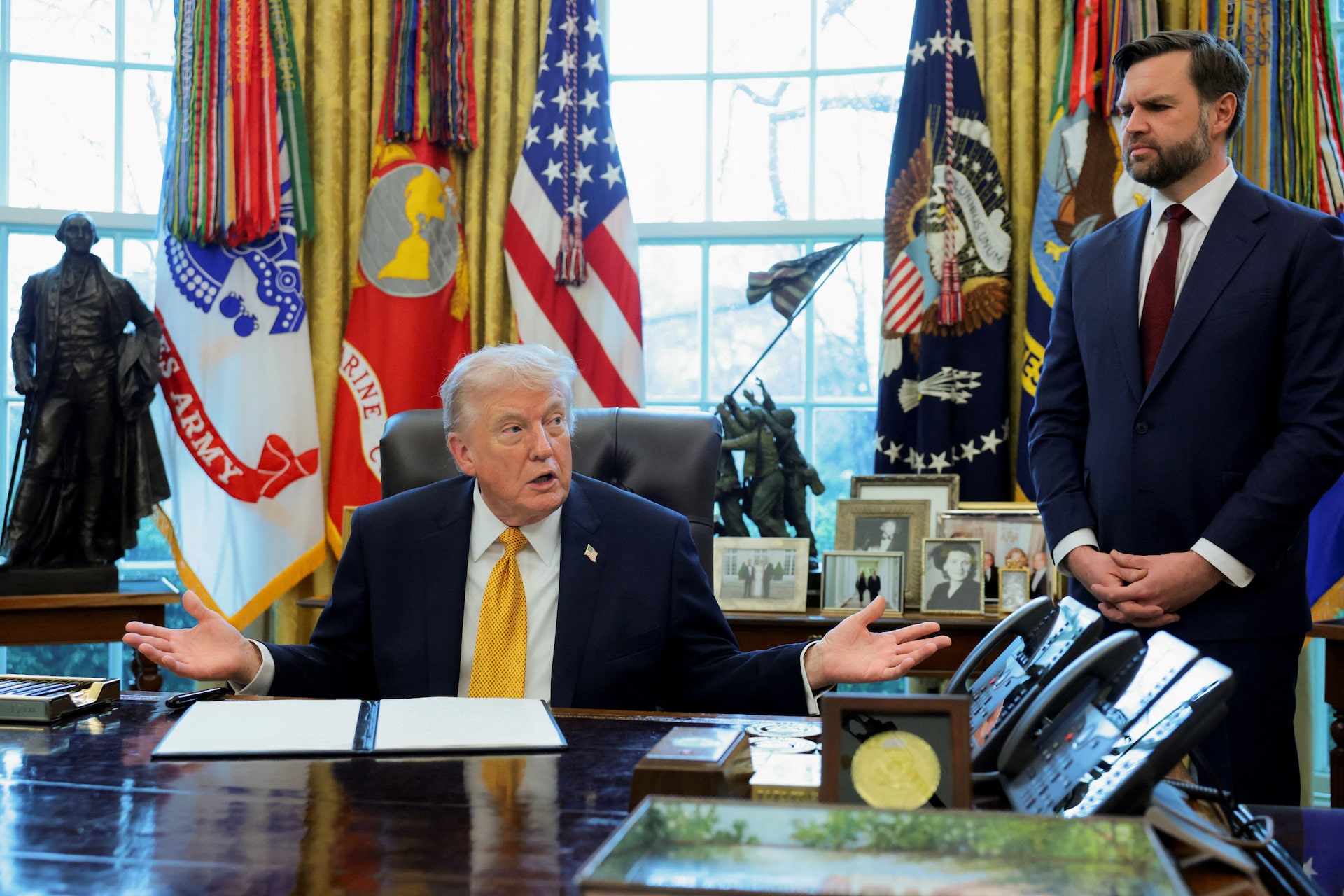
US President Donald Trump has declared that the United States does not need support from its NATO allies in its ongoing military operation against Iran, as he addressed reporters from the Oval Office amid intensifying global tensions.
Speaking during a live appearance, Trump confirmed that most members of NATO had indicated they would not participate in the US-led military campaign targeting Iran. In response, the president dismissed the lack of support, insisting that American military strength is sufficient to handle the conflict independently.
In a post shared on Truth Social, Trump said he was “not surprised” by the stance of NATO allies, describing the alliance as historically one-sided. He emphasized that the US, which he called “the most powerful country anywhere in the world,” neither needs nor desires assistance from NATO countries, as well as key allies such as Japan, Australia, or South Korea.
The remarks come despite earlier requests from Washington for allied support, particularly in efforts to secure and reopen the strategically vital Strait of Hormuz, a critical global shipping route for oil.

Trump’s comments mark a significant shift in tone, signaling a more unilateral approach as the Iran war continues to dominate US foreign policy and strain international alliances.
Meanwhile, Israeli Prime Minister Benjamin Netanyahu said Israel is actively working to weaken Iran’s leadership, suggesting that sustained military pressure could give the Iranian people an opportunity to remove the current regime. He claimed that key Iranian figure Ali Larijani had been killed, although Iran has not confirmed the report.
The conflict has already had widespread regional consequences. UK Foreign Secretary Yvette Cooper told Parliament that more than 100,000 British citizens are expected to have been evacuated from the Middle East, out of an estimated 300,000 in the region at the start of the crisis. She also warned of a potential humanitarian disaster, particularly in Lebanon, and announced additional emergency aid.
Cooper revealed that Iran has launched more than 900 missiles and 3,000 drones across 13 countries in the region, underscoring the scale of the conflict and its growing international impact.
Inside Iran, civilians continue to endure the psychological toll of the war. Residents speaking to BBC Persian described repeated الليل strikes in Tehran, with explosions shaking homes and intensifying fear among the population. Many expressed hope for an end to the conflict, citing growing emotional and physical strain.
As the war escalates, divisions among global powers and military alliances are becoming more pronounced, raising concerns about a prolonged and potentially wider regional conflict.
