Tag: water scarcity

  • Spain Faces Ten Major Environmental Challenges and Proposes Solutions

    As the world faces daily climate disasters and scientists warn that Earth’s life support systems are “well outside the safe operating space for humanity,” action to end fossil fuels and destructive industrial farming is critical. Here, we examine ten significant environmental problems in Spain and propose solutions to address these immediate crises and shift towards sustainable living.

    1. Fossil Fuels

    Problem: Fossil fuels—coal, oil, and gas—are the primary cause of climate breakdown, accounting for over 75% of global greenhouse gas emissions. The industry generates toxic substances that pollute air, soil, and water, severely impacting human health and the environment.

    Solution: Governments must cut climate-wrecking emissions and end fossil fuel use swiftly and fairly. High-emitting countries should reduce energy consumption, improve energy efficiency, and transition to a 100% renewable energy system without new fossil fuel infrastructure.

    2. Water Scarcity

    Problem: Spain is experiencing a progressive expansion of arid climates prone to drought, yet irrigation projects continue unabated.

    Solution: Action is needed to manage water demand for irrigation, livestock farming, industry, tourism, and urban use. Protect water catchment areas and establish a just hydrological transition, ensuring fair water distribution and efficient technologies for water saving, purification, and reuse.

    3. Wildfires

    Problem: Wildfires in Spain have become more severe, burning hundreds of thousands of hectares in 2022 alone. The situation worsens as the landscape becomes hotter and drier.

    Solution: Improve forest management year-round to create resilient landscapes. Adopt forestry models that favor genetic diversity, reduce tree density, and maintain forest services, while generating rural employment.

    4. Desertification

    Problem: Spain is at high risk of desertification, with climate projections indicating severe droughts and reduced freshwater availability, threatening agriculture and increasing food prices.

    Solution: Transition to sustainable, low-water-use farms. Increase organic farming to 30% by 2030 and 100% by 2050. Promote traditional seeds, increase farm biodiversity, and develop an adaptation plan for vulnerable agricultural areas.

    5. Biodiversity Loss

    Problem: Human activity drives biodiversity loss, with around one million species at risk of extinction. Six of nine planetary boundaries have been breached, pushing life into the danger zone.

    Solution: Protect at least 30% of land and oceans by 2030, respecting Indigenous Peoples’ rights. Implement the National Adaptation Plan, support the Nature Restoration Regulation at the EU level, and take immediate action in areas like Doñana to prevent water theft and pollution.

    6. Industrial Agriculture

    Problem: Industrial agriculture consumes unsustainable water quantities, uses harmful chemicals, and reduces biodiversity, harming small producers and consumers.

    Solution: Adopt agroecology, reduce water pollution from synthetic fertilizers, and protect high-biodiversity areas. Ensure CAP environmental requirements are met and promote a socially just, climate-responsive CAP.

    7. Livestock Farming

    Problem: Slurry from industrial livestock farming pollutes groundwater and biodiversity, with water contamination levels exceeding legal limits in many areas.

    Solution: End factory farming, ban new industrial livestock projects, and eliminate subsidies. Reduce intensive livestock farming by 50% by 2030 and promote a just transition for existing farms. Support local, organic food production and reduce food waste.

    8. Coastal Development

    Problem: Spain’s coastal areas face significant environmental degradation due to excessive tourism, leading to increased demand for water, energy, and transport, and higher pollution levels.

    Solution: Tax mass tourism, promote eco-friendly tourism, and increase protected coastal areas. Implement green infrastructure, ensure wastewater purification, and end polluting discharges into the sea.

    9. Plastic Pollution

    Problem: Plastic waste from various sources, including industrial agriculture, contributes to severe environmental pollution, with less than 30% of plastics recycled in Spain.

    Solution: Reform the waste management system to focus on reduction and reuse. End the export of plastic waste to unlicensed operators, promote responsible consumption, and ban planned obsolescence.

    10. Industrial Pollution

    Problem: Companies like Fertiberia have caused severe environmental damage, operating with impunity despite legal challenges.

    Solution: End industrial impunity by ensuring companies adhere to responsible standards, reduce impacts, and prioritize environmental protection. Hold polluting industries accountable for their actions and ensure compliance with court rulings.

    Environmental problems can seem overwhelming, but there are solutions. Collective action can drive change towards a better world, asserting our rights, demanding climate justice, and securing a dignified life for all.

    Source: Greenpeace Spain
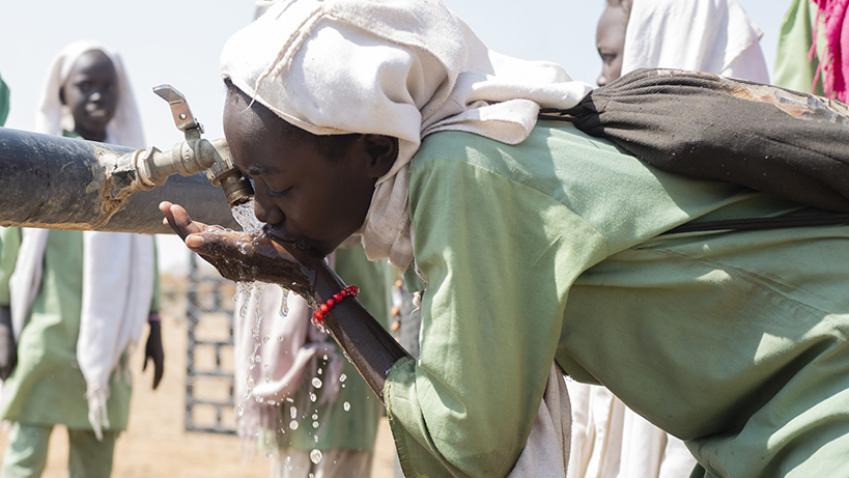
  • Water: At the Core of Sustainable Development and Human Rights

    Water is central to sustainable development, playing a critical role in socio-economic progress, energy and food production, healthy ecosystems, and human survival. It is also vital for adapting to climate change, acting as a crucial link between society and the environment.

    Water and Human Rights

    As the global population increases, the need to balance commercial demands on water resources becomes more pressing to ensure communities have enough for their needs. Access to clean, private sanitation facilities is particularly crucial for women and girls, enabling them to manage menstruation and maternity with dignity and safety.

    The Interconnection of Water and Sanitation

    Water cannot be considered in isolation from sanitation. Together, they are essential for reducing the global burden of disease and improving the health, education, and economic productivity of populations. A significant milestone in this regard was the recognition by the United Nations General Assembly in July 2010 of the human right to water and sanitation. This recognition entitles every human being to access sufficient water for personal and domestic uses—between 50 and 100 liters per person per day. The water must be safe, acceptable, and affordable, with costs not exceeding 3% of household income. Moreover, water sources should be within 1,000 meters of the home, with collection time not exceeding 30 minutes.

    Sustainable Development Goal 6

    Sustainable Development Goal (SDG) 6 aims to “Ensure availability and sustainable management of water and sanitation for all.” The targets cover all aspects of the water cycle and sanitation systems, contributing to progress across various other SDGs, notably those related to health, education, economics, and the environment. The United Nations has long been addressing the global crisis of insufficient water supply to satisfy basic human needs and meet the growing demands on the world’s water resources for human, commercial, and agricultural purposes.

    Historical Milestones and Global Efforts

    Several significant efforts have been made over the years to address water-related challenges. These include the United Nations Water Conference (1977), the International Drinking Water Supply and Sanitation Decade (1981-1990), the International Conference on Water and the Environment (1992), and the Earth Summit (1992). The ‘Water for Life’ International Decade for Action (2005-2015) helped around 1.3 billion people in developing countries gain access to safe drinking water and drove progress on sanitation as part of the effort to meet the Millennium Development Goals.

    Recent Initiatives and Future Plans

    The UN 2023 Water Conference adopted the Water Action Agenda, representing voluntary commitments by nations and stakeholders to achieve the SDGs and their water-related targets. The outcomes of this conference will be followed up at three major upcoming summits: the SDG Summit, the Summit of the Future in 2024, and the World Social Summit in 2025. Recent milestone agreements include the 2030 Agenda for Sustainable Development, the 2015-2030 Sendai Framework for Disaster Risk Reduction, the 2015 Addis Ababa Action Agenda on Financing for Development, and the 2015 Paris Agreement within the UN Convention Framework on Climate Change.

    The Ongoing Crisis

    Contaminated water and a lack of basic sanitation are undermining efforts to end extreme poverty and disease in the world’s poorest countries. In 2022, 2 billion people worldwide did not have access to basic sanitation facilities such as toilets or latrines, and 653 million people had no sanitation facilities at all. According to the WHO/UNICEF Joint Monitoring Programme for Water Supply and Sanitation, at least 1.2 billion people worldwide are estimated to drink water that is not protected against contamination from feces. Unclean water and poor sanitation are leading causes of child mortality, with childhood diarrhea estimated to cause 1.5 million child deaths per year, mostly among children under five in developing countries.

    Economic and Social Benefits

    The links between lack of water and sanitation access and development goals are clear, and the solutions to the problem are known and cost-effective. A 2012 WHO study showed that every US $1 invested in improved sanitation translates into an average global economic return of US $5.5. These benefits are particularly experienced by poor children and disadvantaged communities that need them most.

    International Observances and Decades of Action

    Every year, there are two UN international observances on water and sanitation: World Water Day on March 22 and World Toilet Day on November 19. Each day is marked by a public campaign to raise awareness, focus attention on a particular theme, and inspire action. The International Decade for Action, ‘Water for Sustainable Development,’ started on World Water Day on March 22, 2018, and will end on World Water Day on March 22, 2028. This decade aims to accelerate efforts toward meeting water-related challenges, including limited access to safe water and sanitation, increasing pressure on water resources and ecosystems, and exacerbated risks of droughts and floods.

    source: un.org