Tag: NASA

  • Canadian Astronaut Prepares for NASA Mission to the International Space Station

    Canadian Astronaut Prepares for NASA Mission to the International Space Station

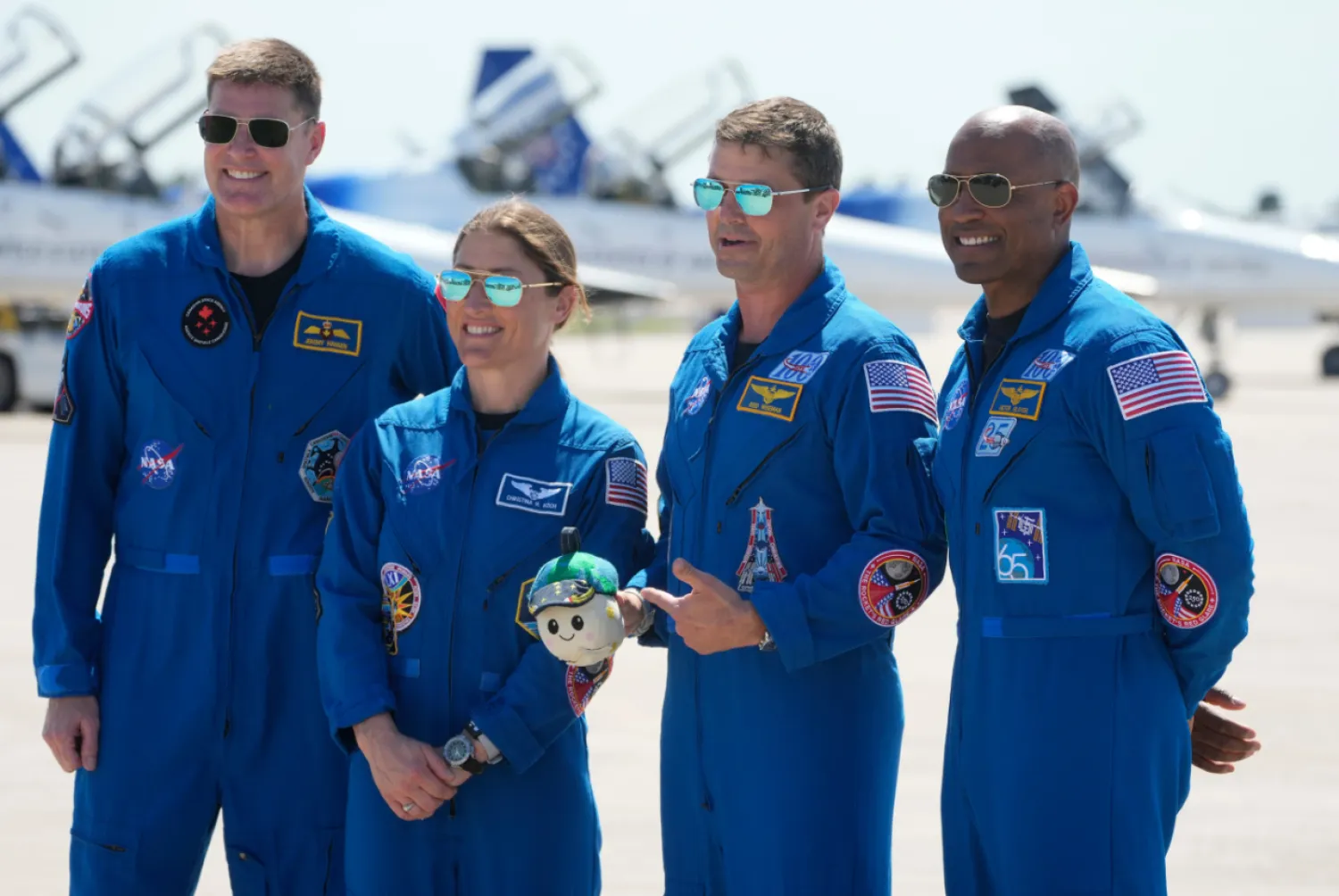
    A Canadian astronaut is preparing for an upcoming NASA mission to the International Space Station, marking another significant milestone in Canada’s long-standing contribution to international space exploration.

    The astronaut is undergoing the final stages of intensive training ahead of the mission, which will involve scientific research, technology demonstrations, maintenance operations, and international collaboration aboard the orbiting laboratory.

    NASA officials said the mission will support a wide range of scientific experiments designed to improve understanding of human health, biology, physics, and advanced technologies in the unique microgravity environment of space. The findings are expected to contribute to future deep-space missions while delivering practical benefits for life on Earth.

    The Canadian Space Agency continues to play an important role in the International Space Station program, with Canadian astronauts participating in numerous missions over the past two decades. Canada is also recognized globally for its contributions to space robotics, including the iconic Canadarm systems that have become essential to station operations.

    The upcoming mission is expected to strengthen scientific cooperation between Canada, the United States, and other international partners participating in the International Space Station program.

    Officials noted that the astronaut has completed years of technical preparation, including spacecraft systems training, emergency response exercises, robotics operations, medical procedures, and scientific experiment management.

    The mission also highlights Canada’s continued investment in space research and innovation, reinforcing the country’s commitment to advancing scientific discovery and supporting future exploration beyond low Earth orbit.

    Space enthusiasts and researchers alike are expected to closely follow the mission as it contributes valuable data to ongoing international efforts aimed at expanding humanity’s presence in space.

    The launch date and additional mission details are expected to be confirmed by NASA and the Canadian Space Agency ahead of liftoff.

    Swifteradio.com

  • NASA Launches High-Risk Rescue Mission to Save Aging Swift Space Telescope From Falling Back to Earth

    NASA Launches High-Risk Rescue Mission to Save Aging Swift Space Telescope From Falling Back to Earth

    NASA has successfully launched a pioneering rescue mission aimed at saving its aging Neil Gehrels Swift Observatory, which is rapidly losing altitude and risks falling back into Earth’s atmosphere later this year due to increased atmospheric drag caused by intense solar activity.

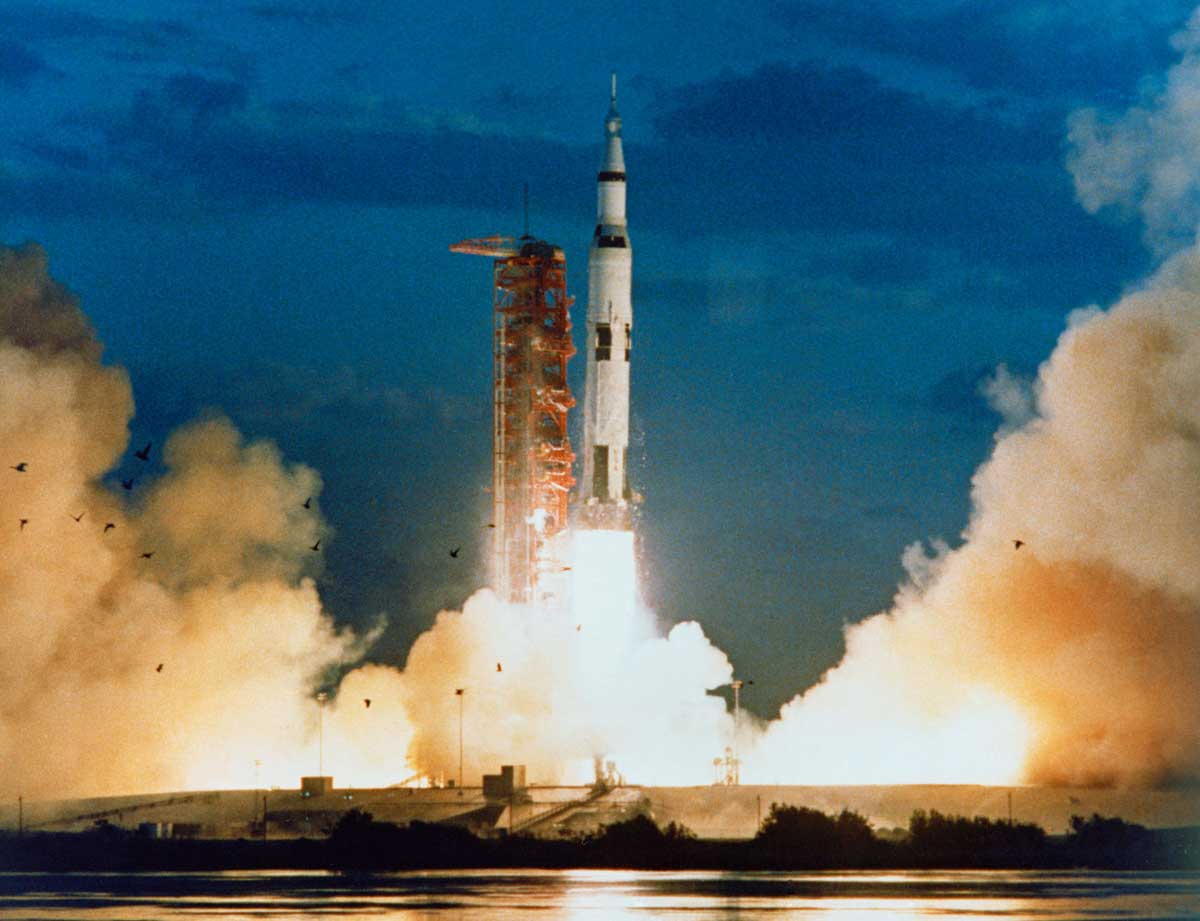
    The ambitious mission began with the launch of LINK, a robotic servicing spacecraft developed by Katalyst Space Technologies, aboard the final flight of Pegasus XL. The spacecraft was successfully deployed from the Marshall Islands and is expected to rendezvous with the Swift Observatory in approximately one month.

    Launched in 2004, the Swift Observatory has spent more than two decades studying some of the universe’s most powerful cosmic events, including gamma-ray bursts, supernovas, and exploding stars. Originally designed for a two-year mission, the telescope has continued operating well beyond its expected lifespan, making valuable contributions to astrophysics.

    NASA officials say recent solar storms have significantly increased atmospheric drag, causing the telescope’s orbit to decay much faster than anticipated. Without intervention, Swift could re-enter Earth’s atmosphere and burn up before the end of the year.

    Once it reaches the observatory, the LINK spacecraft will use robotic technology to capture Swift before gradually boosting it into a higher and more stable orbit. Engineers expect the orbit-raising operation to take several weeks, extending the telescope’s operational life by several years if successful.

    NASA has invested approximately $30 million in the high-risk mission, which represents one of the first attempts by a commercial spacecraft to capture and reposition an uncrewed U.S. government satellite already in orbit. The mission was developed in less than a year, highlighting rapid advances in satellite-servicing technology.

    Space experts believe the mission could open a new chapter in orbital satellite maintenance, allowing aging scientific observatories and other spacecraft to remain operational far longer than originally planned.

    If the rescue succeeds, NASA says the technology could eventually be used to service other valuable spacecraft, including aging satellites facing similar orbital decay. The mission could also help reduce space debris by preventing functioning satellites from being prematurely lost.

    Scientists are optimistic that Swift will resume full scientific observations by September once its orbit has been restored and mission systems have been fully reactivated.

    The rescue mission underscores NASA’s growing commitment to sustainable space operations, extending the lifespan of existing scientific assets while pioneering technologies that could transform future satellite servicing and orbital infrastructure management.

    Swifteradio.com

  • Why NASA’s Artemis II Moon Mission Could Be Politically Significant for Donald Trump

    Why NASA’s Artemis II Moon Mission Could Be Politically Significant for Donald Trump

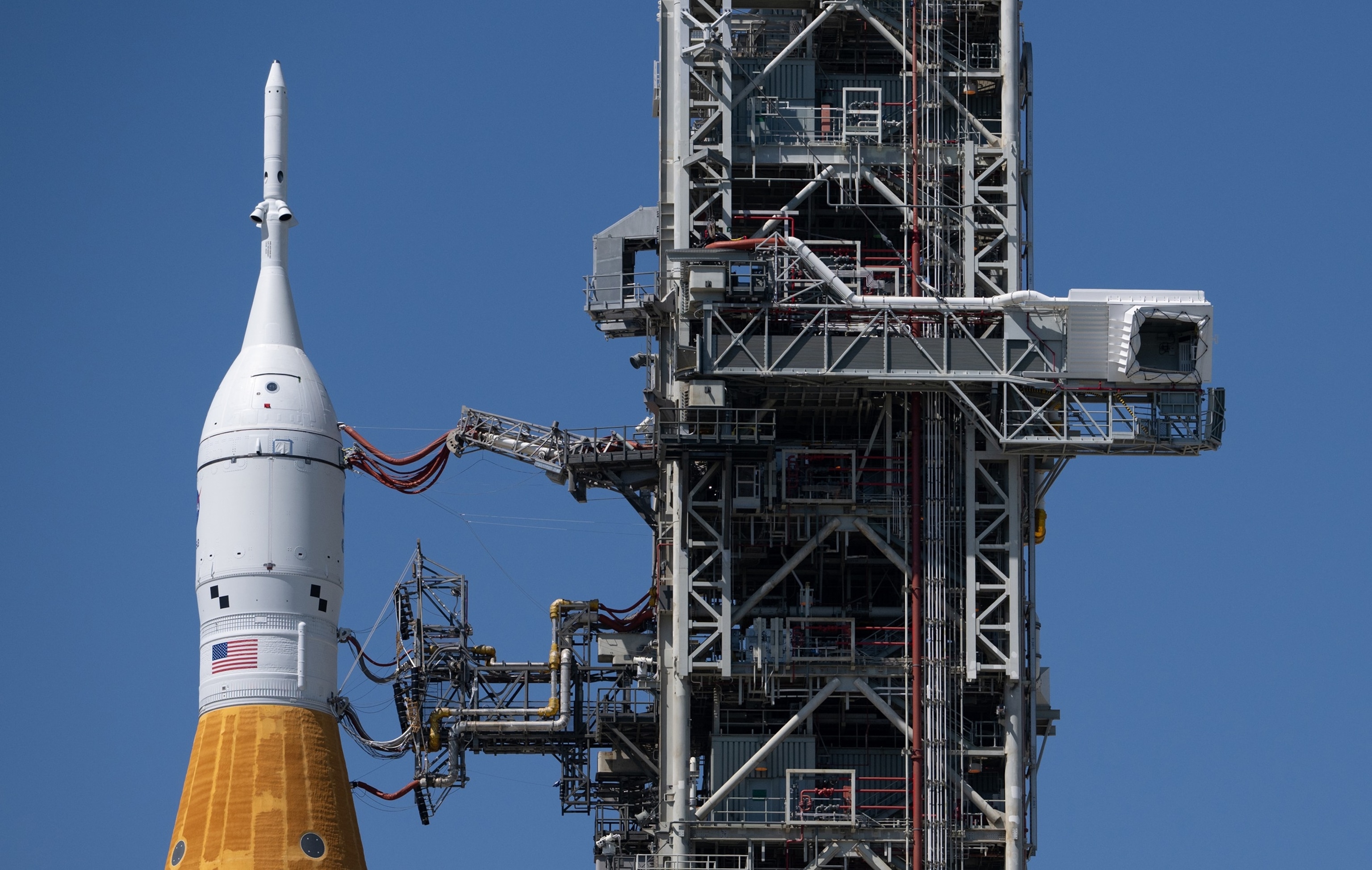
    NASA’s Artemis II mission, which could launch this week and send astronauts around the Moon for the first time since 1972, arrives at a politically sensitive moment in U.S. President Donald Trump’s presidency.

    With the United States deeply divided over issues such as the war involving Iran, immigration and economic policy, a successful mission could offer a rare moment of national unity while strengthening the administration’s strategic goals in space.

    Image

    Image

    Image

    Image

    A historic return to deep space

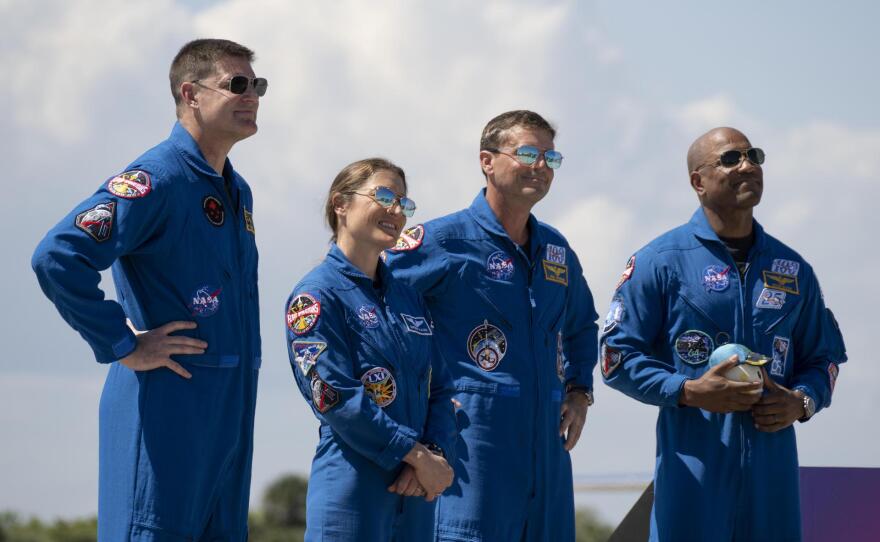
    Artemis II will carry four astronauts — three Americans and one Canadian — on a 10-day mission that will fly around the Moon before returning to Earth. The mission will travel farther into space than any humans since the Apollo 17 mission in 1972.

    While the crew will not land on the lunar surface, the mission is intended to test systems needed for future lunar landings and deep-space exploration. NASA says Artemis is a key step toward building a permanent lunar base and eventually sending humans to Mars.

    Trump helped launch the Artemis initiative during his first presidency, promising to push American astronauts deeper into space. At the time, he spoke of planting “the Stars and Stripes on the planet Mars.”

    During his second term, however, the administration has shifted its near-term focus toward establishing a long-term American presence on the Moon, including a return to the lunar surface by 2028 and a permanent outpost by 2030.

    Strategic competition with China

    Although Trump’s executive order emphasized national vision and economic opportunity, NASA officials have been more explicit about the geopolitical stakes.

    NASA administrator Jared Isaacman recently warned that the United States now faces “a real geopolitical rival” in China, which is developing its own lunar exploration program and plans to send astronauts to the Moon within the next few years.

    The rivalry echoes the Cold War space race between the United States and the Soviet Union, when space exploration became a powerful symbol of technological superiority and ideological influence.

    Image

    Image

    Image

    Image

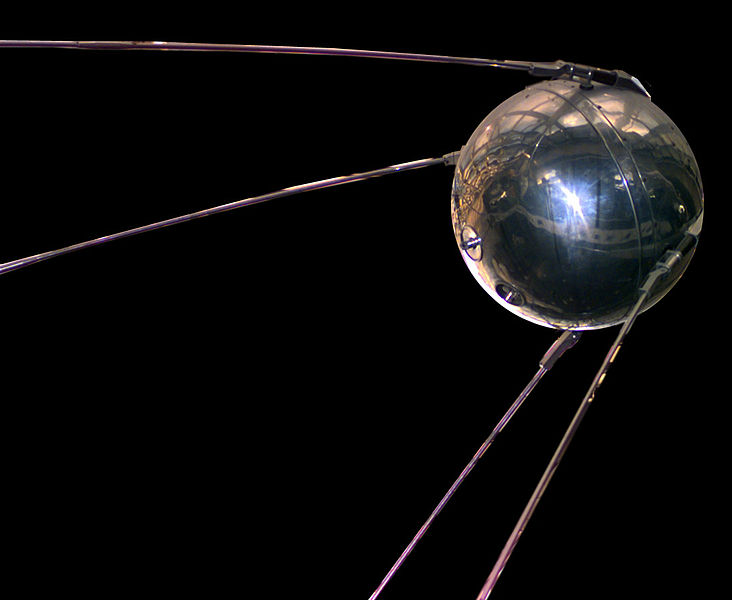
    The Cold War race began in earnest after the Soviet Union launched Sputnik in 1957, the world’s first artificial satellite. The achievement shocked the United States and pushed President John F. Kennedy to commit to landing a man on the Moon.

    In a 1962 conversation with NASA officials, Kennedy bluntly acknowledged the political motivation: reaching the Moon was important because “this is, whether we like it or not, a race.”

    The economic stakes of the Moon

    Beyond geopolitics, the Moon may hold significant economic value. Scientists have identified helium-3, a rare isotope that could potentially power future nuclear fusion reactors. The element currently sells for more than $20,000 per kilogram, making it extremely valuable.

    The Moon also contains water ice, which could be converted into rocket fuel, along with rare earth metals such as lithium and platinum, materials critical for electronics and clean-energy technologies.

    Some analysts describe the coming competition as a potential “lunar gold rush,” where the nations that establish early infrastructure could gain major advantages in accessing these resources.

    A moment of unity?

    Supporters of the Artemis program say the mission could also provide something less tangible but politically valuable: national pride.

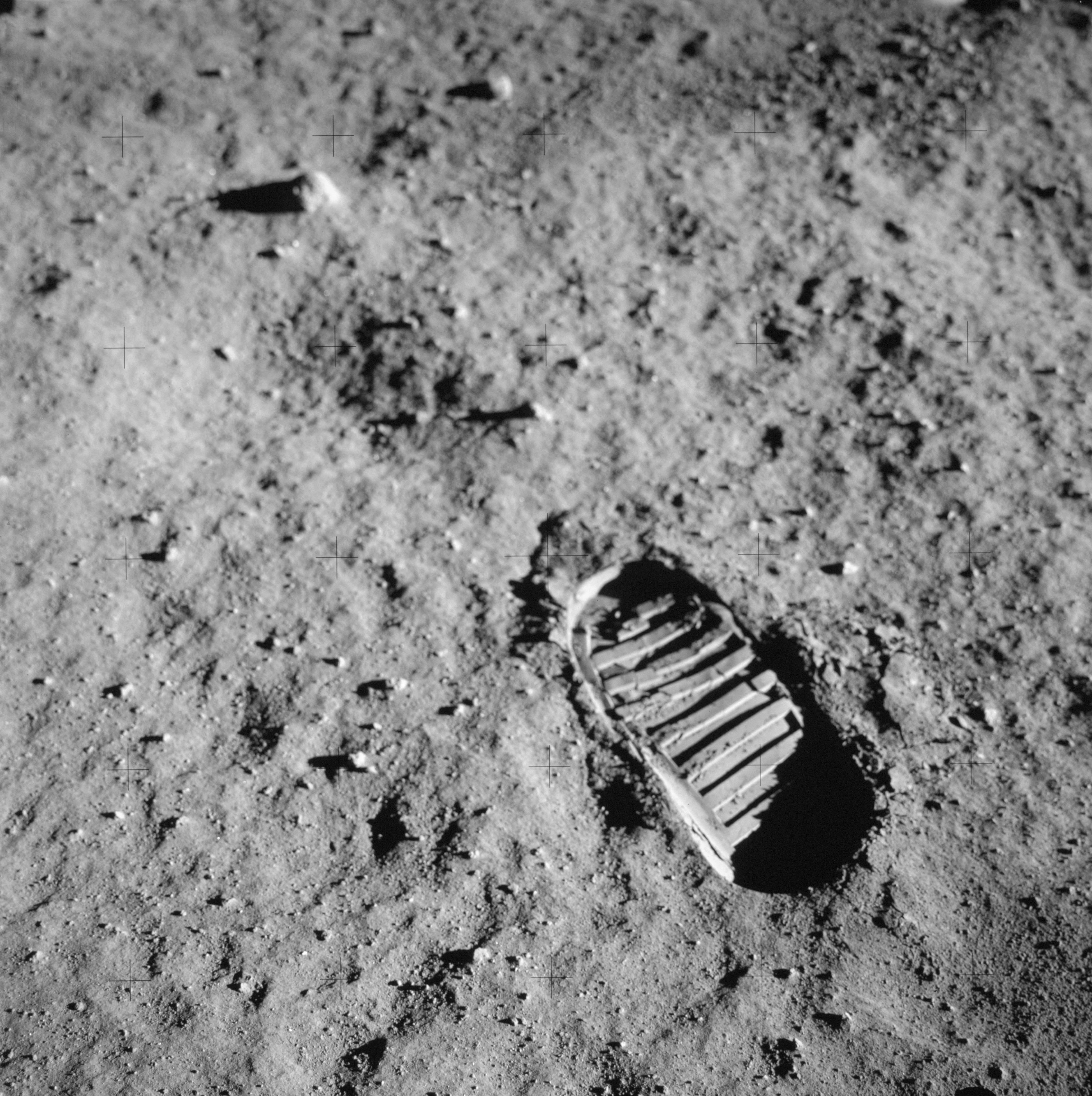
    The Apollo 11 Moon landing in 1969 occurred during one of the most turbulent periods in American history — amid the Vietnam War, civil rights tensions and political upheaval. Yet millions of Americans across political divides watched the event together.

    Experts believe Artemis could have a similar cultural impact today.

    “Space is one of the few areas that Americans with different political views can enjoy and watch together,” said Esther Brimmer, a senior fellow at the Council on Foreign Relations.

    For many Americans, the space program has long represented innovation, exploration and national achievement. If Artemis II succeeds, it could become a defining moment in a new era of space exploration — and potentially a rare unifying event during a deeply polarised political era.

  • SpaceX Starship Reaches New Milestones Despite Aborted Booster Catch Attempt

    In a highly anticipated test, SpaceX attempted another booster catch maneuver with its colossal Starship rocket system on Tuesday. Though the catch was aborted due to automatic hardware checks, SpaceX still celebrated a series of achievements during the sixth test of its 400-foot-tall Starship system, the most powerful rocket ever built. The vehicle took off at around 5 p.m. ET from Starbase near Brownsville, Texas, with President-elect Donald Trump in attendance alongside SpaceX CEO Elon Musk.

    After liftoff, the Super Heavy booster detached from the spacecraft and initiated its return to the launch site, aiming to land precisely on Mechazilla, a mechanical launch and landing structure with metal arms. However, an abort mechanism redirected the booster for a controlled splashdown in the Gulf of Mexico. Meanwhile, the Starship spacecraft fired up its engines for further space maneuvers, ultimately achieving a safe splashdown in the Indian Ocean.

    This mission marked SpaceX’s first successful ignition of a Raptor engine in space, a crucial step in the company’s goal of creating a fully reusable rocket system capable of carrying astronauts to the Moon and Mars. The Starship system’s performance, particularly during reentry, provided vital data for SpaceX, as the spacecraft tested its aerodynamics with limited shielding to assess its durability under extreme conditions.

    NASA Administrator Bill Nelson congratulated SpaceX on this test flight, emphasizing the Starship’s importance for NASA’s Artemis program, which aims to return astronauts to the Moon. The successful engine ignition in space and new data gathered from this mission highlight significant advancements toward making SpaceX’s vision of cost-effective, rapid reusability a reality.

    Source: Swifteradio.com