
 The Pakistani parliament has condemned a U.S. congressional resolution that called for an independent investigation into allegations of massive rigging in Pakistan’s recent parliamentary elections. The resolution was introduced by Shaista Malik from the ruling party and passed by the National Assembly despite objections from lawmakers associated with former Prime Minister Imran Khan, who is currently imprisoned.
Malik, in a televised speech, stated that the U.S. resolution was “completely against the facts” and emphasized that Pakistan would not tolerate such interference in its internal matters. The Foreign Ministry also rejected the resolution, labeling it as based on an “inadequate and erroneous understanding” of Pakistan’s political and electoral processes.
In response to the resolution, Pakistan announced the replacement of its ambassador to the U.S., with diplomat Rizwan Saeed Sheikh set to succeed Masood Khan. The Foreign Ministry expressed regret over the U.S. resolution, viewing it as unsolicited interference in Pakistan’s domestic affairs.
This controversy comes shortly after an appeals court in Pakistan upheld the conviction and seven-year prison sentence for Imran Khan and his wife regarding their 2018 marriage, which was deemed unlawful under Pakistani law. Khan’s party, despite winning the most seats in the election, could not secure a majority and accused the Election Commission of converting its victory into a defeat, allowing political rivals to form a coalition government. Prime Minister Shehbaz Sharif has offered dialogue with Khan’s party, which has been rejected on grounds of alleged election fraud.
Source: thestar.com
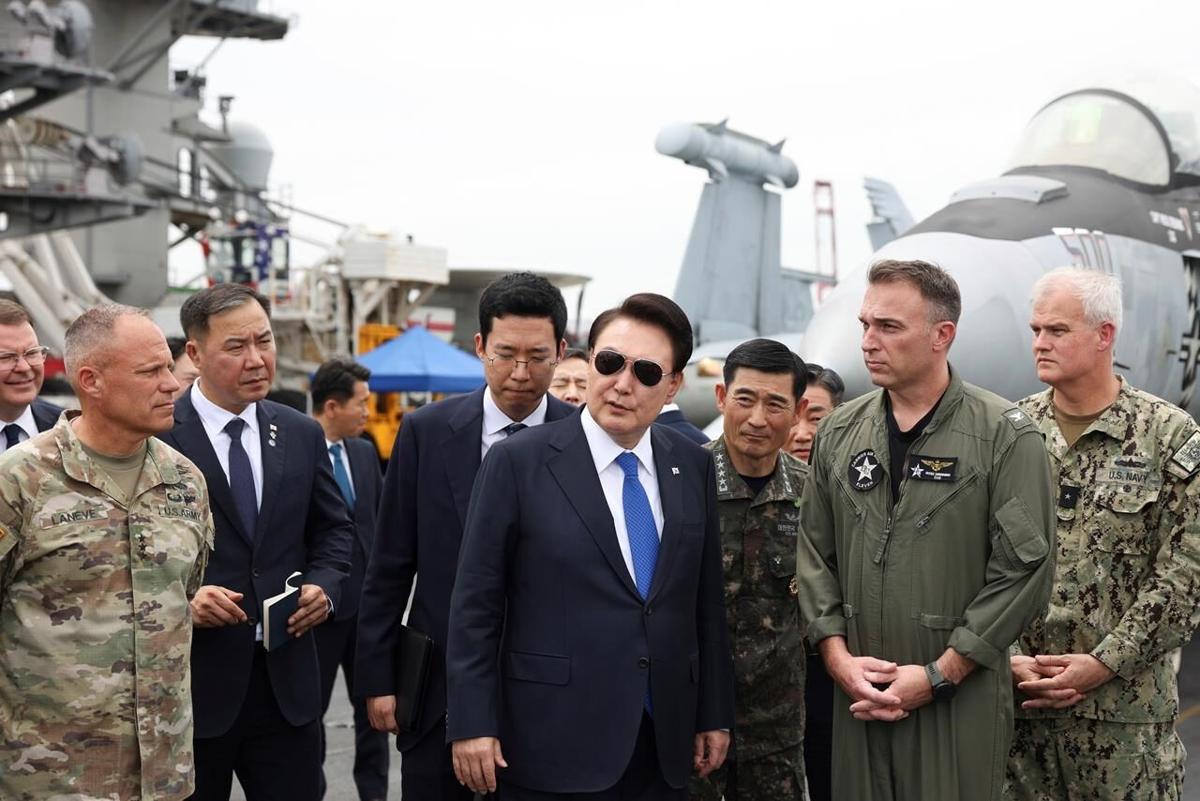 As North Korean and Chinese threats escalate, the United States is intensifying efforts to solidify defense partnerships with its Asian allies. Recently, the U.S. concluded its inaugural multidomain exercise with Japan and South Korea in the East China Sea, marking a significant step in strengthening these key security relationships. The exercise, named Freedom Edge, represents Washington’s commitment to enhancing joint defense capabilities in the face of increasing regional threats.