
China has imposed new export control measures on 40 Japanese entities, marking a significant escalation in trade and diplomatic tensions between Beijing and Japan.
Chinese authorities announced that the affected Japanese organizations would be subject to tighter export restrictions under national security regulations, a move that could impact trade, technology transfers, and commercial cooperation between the two Asian economies.
According to officials, the measures are intended to safeguard China’s national interests and security. However, detailed information regarding the specific entities affected and the scope of the restrictions has not been fully disclosed.
The latest action comes amid increasingly strained relations between Beijing and Tokyo over a range of political, economic, and security issues.
China and Japan have recently exchanged criticism over regional security, military activities, trade policies, and territorial disputes, contributing to growing diplomatic friction between the neighboring countries.
Trade analysts say the new export controls could affect businesses involved in technology, manufacturing, electronics, industrial equipment, and other sectors that rely on cross-border supply chains.
The restrictions may also create additional uncertainty for multinational companies operating across East Asia, where China and Japan remain two of the world’s largest economies and major trading partners.
Japanese officials have expressed concern over the development and are expected to review the implications for affected businesses while considering possible diplomatic and economic responses.
Business organizations in both countries are closely monitoring the situation, warning that prolonged trade tensions could disrupt investment, production, and regional economic stability.
Economic experts note that export controls have increasingly become a tool used by governments to address national security concerns while influencing international trade relationships.
The latest measures also reflect broader geopolitical competition across the Indo-Pacific region, where strategic rivalry, technology policy, and economic security continue to shape government decisions.
Despite ongoing disagreements, China and Japan maintain extensive commercial ties, with bilateral trade remaining an important pillar of economic activity for both nations.
Diplomatic observers believe continued dialogue will be essential to preventing further deterioration in relations, particularly given the importance of cooperation on regional stability and global economic growth.
As both governments assess their next steps, the newly announced export controls underscore the increasingly complex intersection of international trade, national security, and geopolitical competition in East Asia.
The coming weeks will likely determine whether the latest restrictions lead to further retaliatory measures or renewed diplomatic efforts to stabilize one of Asia’s most significant bilateral relationships.
Swifteradio.com
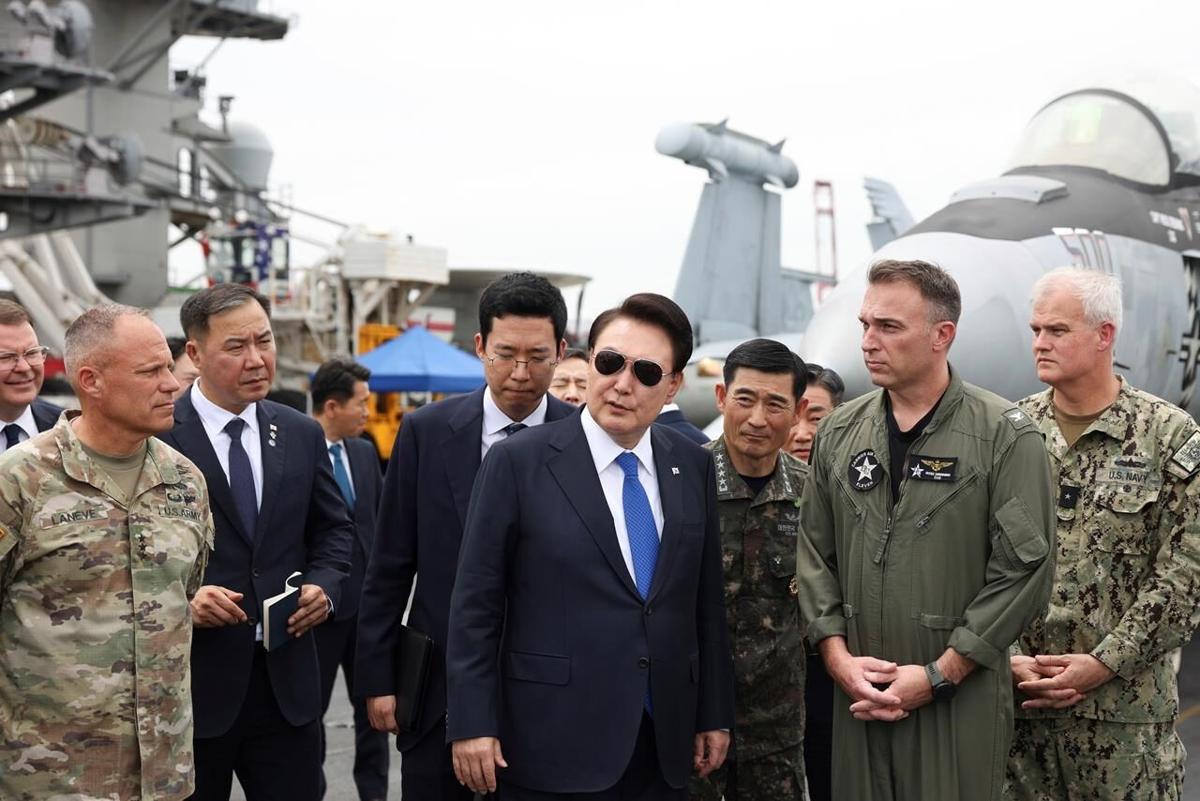 As North Korean and Chinese threats escalate, the United States is intensifying efforts to solidify defense partnerships with its Asian allies. Recently, the U.S. concluded its inaugural multidomain exercise with Japan and South Korea in the East China Sea, marking a significant step in strengthening these key security relationships. The exercise, named Freedom Edge, represents Washington’s commitment to enhancing joint defense capabilities in the face of increasing regional threats.