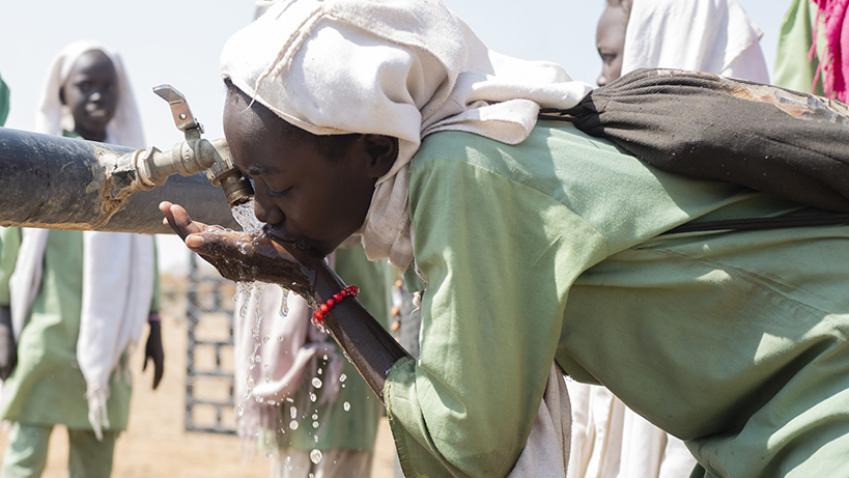
Water is central to sustainable development, playing a critical role in socio-economic progress, energy and food production, healthy ecosystems, and human survival. It is also vital for adapting to climate change, acting as a crucial link between society and the environment.
Water and Human Rights
As the global population increases, the need to balance commercial demands on water resources becomes more pressing to ensure communities have enough for their needs. Access to clean, private sanitation facilities is particularly crucial for women and girls, enabling them to manage menstruation and maternity with dignity and safety.
The Interconnection of Water and Sanitation
Water cannot be considered in isolation from sanitation. Together, they are essential for reducing the global burden of disease and improving the health, education, and economic productivity of populations. A significant milestone in this regard was the recognition by the United Nations General Assembly in July 2010 of the human right to water and sanitation. This recognition entitles every human being to access sufficient water for personal and domestic uses—between 50 and 100 liters per person per day. The water must be safe, acceptable, and affordable, with costs not exceeding 3% of household income. Moreover, water sources should be within 1,000 meters of the home, with collection time not exceeding 30 minutes.
Sustainable Development Goal 6
Sustainable Development Goal (SDG) 6 aims to “Ensure availability and sustainable management of water and sanitation for all.” The targets cover all aspects of the water cycle and sanitation systems, contributing to progress across various other SDGs, notably those related to health, education, economics, and the environment. The United Nations has long been addressing the global crisis of insufficient water supply to satisfy basic human needs and meet the growing demands on the world’s water resources for human, commercial, and agricultural purposes.
Historical Milestones and Global Efforts
Several significant efforts have been made over the years to address water-related challenges. These include the United Nations Water Conference (1977), the International Drinking Water Supply and Sanitation Decade (1981-1990), the International Conference on Water and the Environment (1992), and the Earth Summit (1992). The ‘Water for Life’ International Decade for Action (2005-2015) helped around 1.3 billion people in developing countries gain access to safe drinking water and drove progress on sanitation as part of the effort to meet the Millennium Development Goals.
Recent Initiatives and Future Plans
The UN 2023 Water Conference adopted the Water Action Agenda, representing voluntary commitments by nations and stakeholders to achieve the SDGs and their water-related targets. The outcomes of this conference will be followed up at three major upcoming summits: the SDG Summit, the Summit of the Future in 2024, and the World Social Summit in 2025. Recent milestone agreements include the 2030 Agenda for Sustainable Development, the 2015-2030 Sendai Framework for Disaster Risk Reduction, the 2015 Addis Ababa Action Agenda on Financing for Development, and the 2015 Paris Agreement within the UN Convention Framework on Climate Change.
The Ongoing Crisis
Contaminated water and a lack of basic sanitation are undermining efforts to end extreme poverty and disease in the world’s poorest countries. In 2022, 2 billion people worldwide did not have access to basic sanitation facilities such as toilets or latrines, and 653 million people had no sanitation facilities at all. According to the WHO/UNICEF Joint Monitoring Programme for Water Supply and Sanitation, at least 1.2 billion people worldwide are estimated to drink water that is not protected against contamination from feces. Unclean water and poor sanitation are leading causes of child mortality, with childhood diarrhea estimated to cause 1.5 million child deaths per year, mostly among children under five in developing countries.
Economic and Social Benefits
The links between lack of water and sanitation access and development goals are clear, and the solutions to the problem are known and cost-effective. A 2012 WHO study showed that every US $1 invested in improved sanitation translates into an average global economic return of US $5.5. These benefits are particularly experienced by poor children and disadvantaged communities that need them most.
International Observances and Decades of Action
Every year, there are two UN international observances on water and sanitation: World Water Day on March 22 and World Toilet Day on November 19. Each day is marked by a public campaign to raise awareness, focus attention on a particular theme, and inspire action. The International Decade for Action, ‘Water for Sustainable Development,’ started on World Water Day on March 22, 2018, and will end on World Water Day on March 22, 2028. This decade aims to accelerate efforts toward meeting water-related challenges, including limited access to safe water and sanitation, increasing pressure on water resources and ecosystems, and exacerbated risks of droughts and floods.
source: un.org
