The United States and its allies have signaled that military operations against Iran are far from over, with U.S. officials saying the campaign is “just getting started,” even as Iranian leaders vow sweeping retaliation that could have far-reaching consequences across the Middle East.
At a Pentagon press briefing, U.S. Defence Secretary Pete Hegseth and military leaders outlined the ongoing offensive against Iranian military infrastructure and strategic targets, describing early progress and a ramp-up of air and naval strikes. Hegseth said the joint U.S.–Israeli operation continues to expand, and that more forces, equipment, and “death and destruction from the sky” are expected as the campaign evolves.
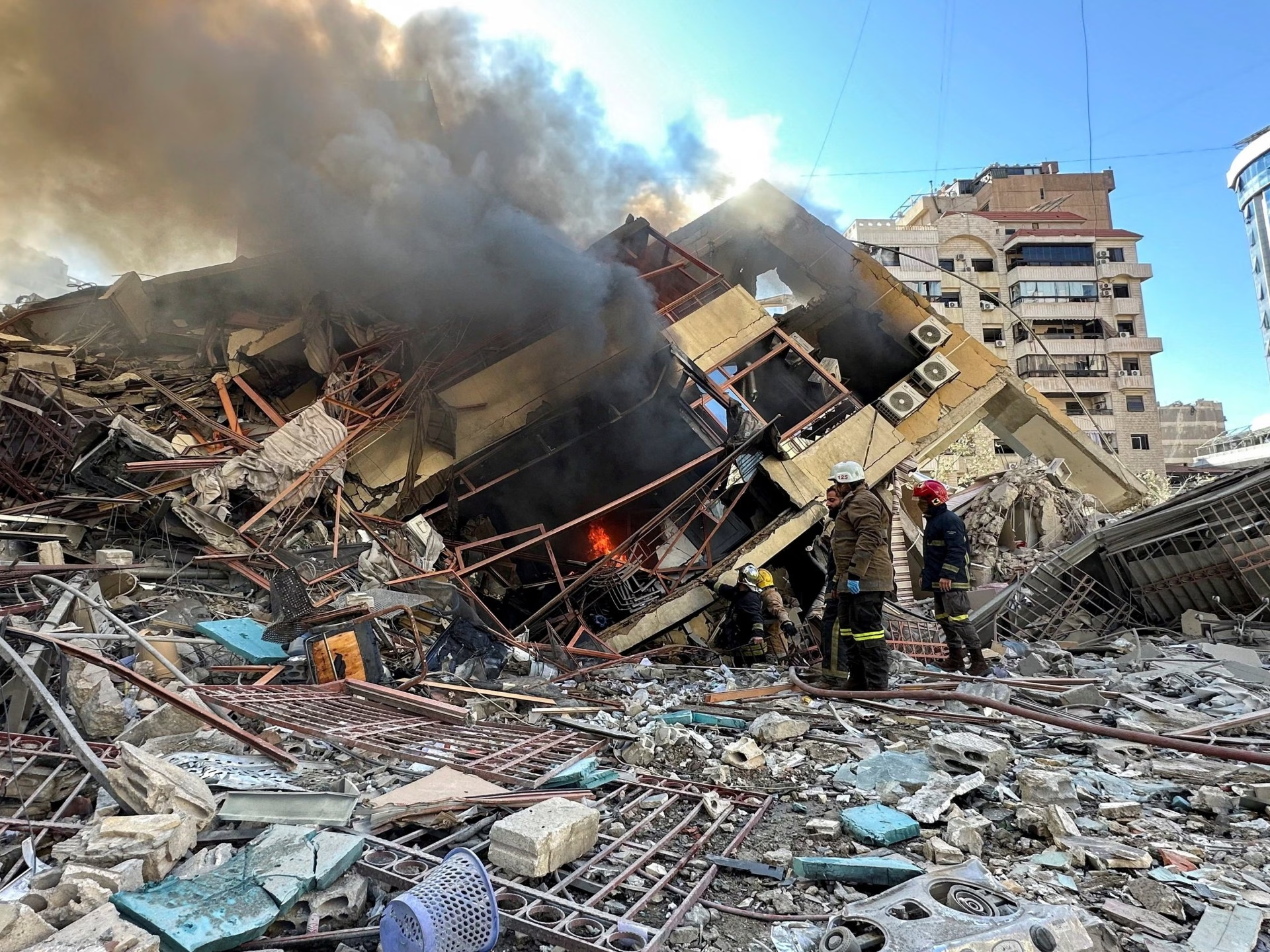
The conflict between the United States, Israel, and Iran began with coordinated strikes on Iranian military sites, including air defenses and nuclear-related facilities. In response, Iran has launched its own missile, drone, and artillery counterattacks targeting U.S. forces, Israeli positions, and allied locations across the region. Some of these strikes have reached Gulf states and Israeli territory in recent days.
Iran’s leadership has issued stark warnings that its response could expand to include “complete destruction” of key military and economic infrastructure in the region, reflecting deepening hostilities and a highly charged strategic environment. The rhetoric underscores how quickly the conflict has escalated and why diplomatic efforts have yet to halt military operations.

International markets, particularly energy sectors, have reacted strongly to the heightened conflict, with fears of disruption to shipping routes such as the Strait of Hormuz and potential impacts on global oil supply. Governments and security analysts are closely watching developments, urging restraint even as military actions continue on multiple fronts.
As both sides prepare for continued engagement, the prospects for a swift end to hostilities remain uncertain. U.S. officials stress they will sustain pressure on Iranian military capabilities, while Tehran insists it will defend its interests and retaliate against perceived aggression. The evolving conflict continues to shape regional security dynamics and draw global attention.
Swifteradio.com
